President Trump says there is no rush to decide his next move against Iran, raising important questions about the broader strategy in the Middle East. That may sound prudent after years of confrontation, as many Americans prefer patience to another military escalation, but waiting is not a neutral choice. Every additional week of economic and diplomatic pressure reflects a judgment that more time will produce something worth having.
Donald Trump has been clear about the objective: a non-nuclear Iran. The unanswered question is how much additional pressure is expected to get us there, and what diplomatic settlement would make that outcome durable. The debate after the election should therefore concern more than whether Trump orders another strike, focusing instead on how American pressure becomes an achievable political settlement.
Internal Administration Debate Over Timing
Reports suggest the debate inside the administration is not about the goal itself but about timing. Vice President JD Vance and White House envoy Steve Witkoff reportedly favor moving more quickly toward an agreement. CIA Director John Ratcliffe, Treasury Secretary Scott Bessent and Secretary of State Marco Rubio reportedly favor giving pressure more time to work.
The most consequential argument appears to come from Ratcliffe. According to Axios, citing a source with direct knowledge of the discussions, he believes prolonged hardship could produce additional Iranian concessions or create enough instability to encourage political unrest. The CIA declined to comment on these internal policy discussions.
That is a significant strategic wager for Washington. United States policymakers should judge it by the commitments it helps secure, not simply by the hardship it imposes on the Iranian population.
Diplomatic Signals and Regional Mediation
Supporters of patience deserve a fair hearing as signs emerge that pressure may be creating diplomatic opportunities. Qatari mediators have circulated a proposal aimed at restarting direct negotiations, and Iranian officials have described intensified exchanges, while Vance has said progress has been made.
However, the evidence remains mixed on the ground. On Nov. 5, Iranian security chief Mohsen Rezaei said Tehran would neither reopen the Strait of Hormuz nor negotiate until Washington met seven Iranian conditions. Reuters separately reported that Iran submitted a nuclear proposal through Qatar while making further discussions conditional on prior American concessions.
In other words, Tehran is still talking and still demanding. Neither fact proves that a workable agreement is within reach, nor do they prove diplomacy has failed entirely. The real question is whether both sides can identify a sequence of reciprocal steps that narrows the gap between them.
Background on United States Policy and Regional Dynamics
The history of tensions between Washington and Tehran spans decades, intensifying significantly after the United States withdrew from the 2015 Joint Comprehensive Plan of Action. Successive administrations have relied heavily on economic sanctions and maximum pressure campaigns to curb Iranian nuclear activities and regional influence. Regional actors, including Gulf nations and European allies, have frequently attempted to mediate between the two adversaries to prevent wider military conflicts in vital waterways like the Strait of Hormuz.
Economic sanctions have severely impacted the Iranian economy, affecting currency stability, oil exports, and domestic living standards. At the same time, Tehran has continued to advance aspects of its nuclear program while deepening strategic ties with nations like Russia and China. These geopolitical alignments complicate diplomatic efforts, providing alternative economic lifelines to Tehran while Washington maintains its sanctions regime.
International Involvement and Global Diplomacy
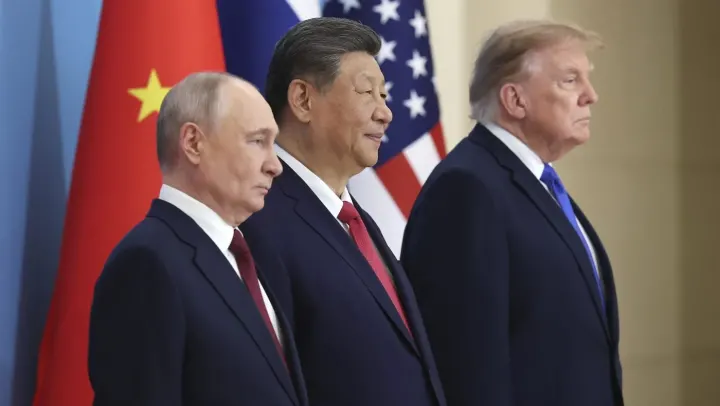
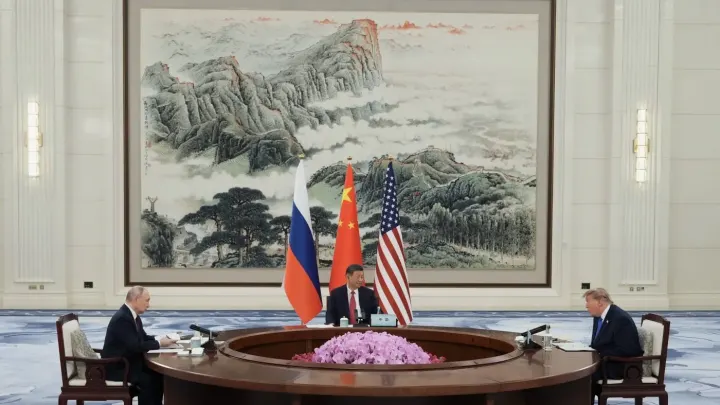
While Washington debates whether to wait, other governments are actively moving. During Sultan Haitham bin Tarik's visit to Beijing this month, Oman and China called for renewed United States-Iran negotiations, safe navigation through Hormuz and a return to their earlier Islamabad memorandum of understanding. They also welcomed a larger Chinese role in regional security and stability.
A few days later, Rezaei traveled to Moscow and delivered a message from Supreme Leader Mojtaba Khamenei to Russian President Vladimir Putin, according to Iranian state media. Those meetings do not represent a diplomatic breakthrough, nor do they prove that China and Russia are building an alternative peace process. They do show that other governments are looking for ways to shape the outcome while Washington weighs the benefits of continued pressure.
Congressional Oversight and Future Accountability
The incoming Congress should make these questions central to its first review of Iran policy. Jan. 3 offers a useful moment for accountability, not because diplomacy expires on that date, but because policymakers should be able to explain what their strategy has achieved. Congress has already expressed opposition to continued hostilities, including when the Senate adopted a House-passed concurrent resolution by a vote of 50 to 48 on June 23, though the measure was nonbinding.
Any future settlement also needs clearly defined responsibilities between all participating nations. Verification, mediation, custody of nuclear material and enforcement are different functions that require strict oversight. A workable agreement must establish who performs each role, how disputes are resolved and what consequences follow violations before any comprehensive relief is granted.
What Happens Next
The administration must determine whether continued economic pressure or immediate diplomatic engagement offers the most reliable path forward. Lawmakers plan to demand detailed assessments of negotiating gains, costs, and strategic alternatives when reviewing policy proposals in the legislative session. Further developments will depend on whether Tehran adjusts its preconditions and whether international mediators can bridge the remaining gaps between the negotiating parties.