President Trump Intervenes in Nvidia Board Meeting for Jensen Huang
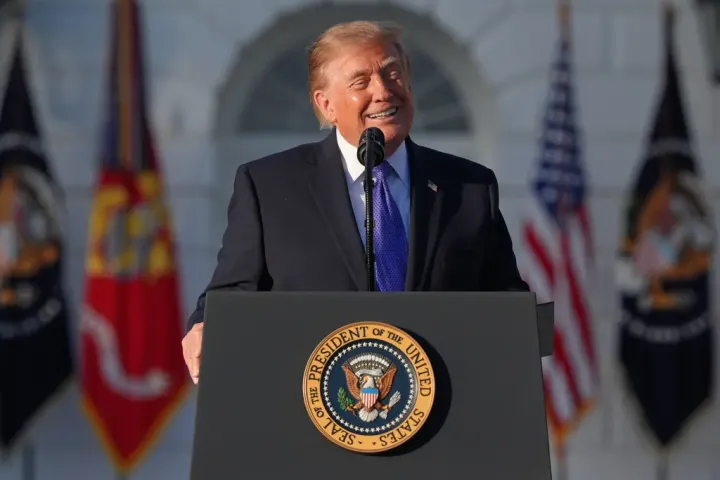
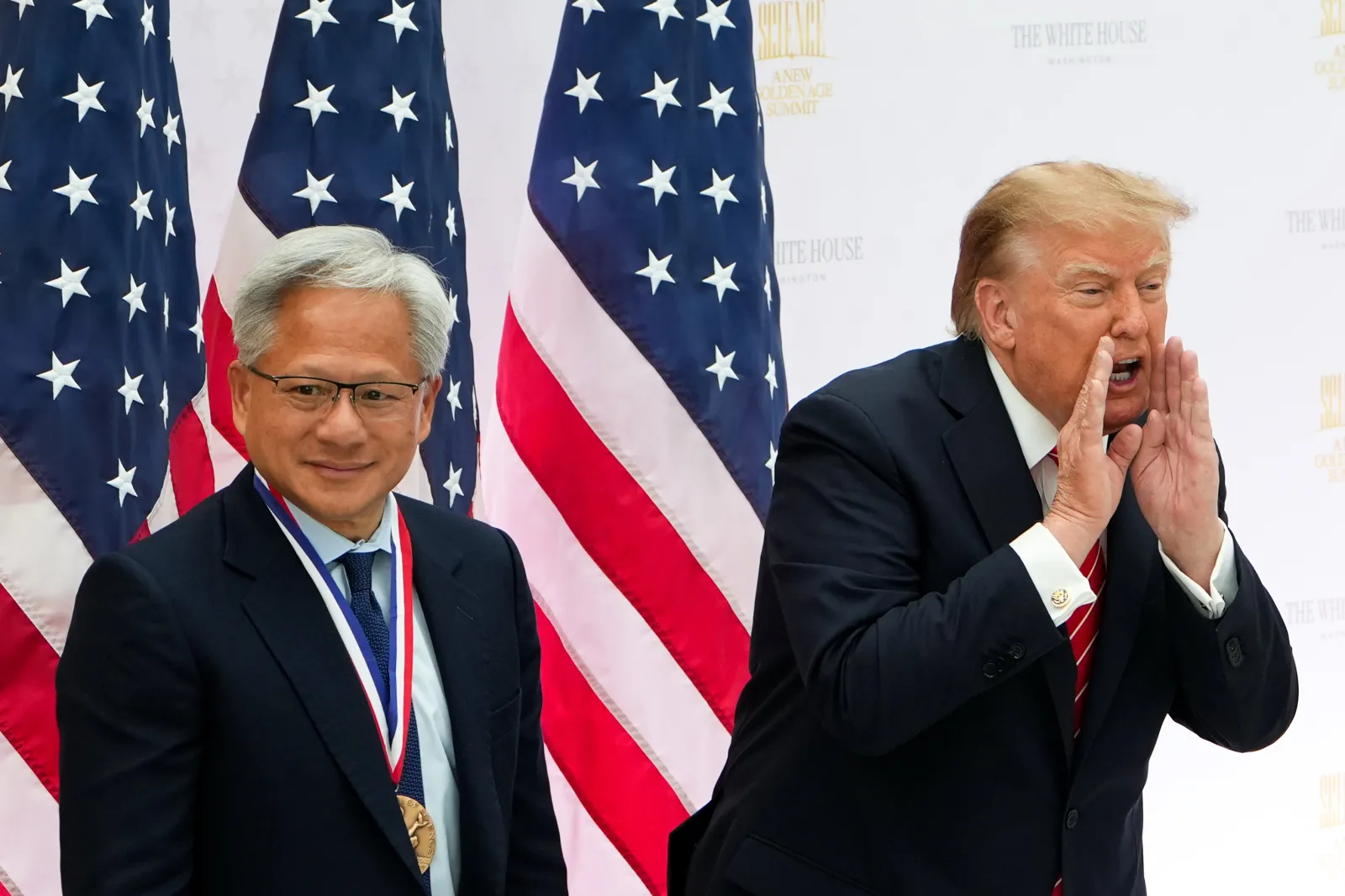
President Donald Trump personally called into a meeting of the board of directors of Nvidia to argue for the reinstatement of Jensen Huang. According to a report published by Semafor on Monday morning, the intervention occurred hours before the corporate board announced that the chief executive was returning to his post. The unexpected reversal followed days of scrutiny surrounding the company leadership and severe allegations involving personal conduct and potential security concerns.
Investors reacted strongly to the news, pushing shares of the semiconductor giant up around 30 percent on the day within roughly 80 minutes of the announcement. Market participants cheered the return of the co-founder who built the hardware enterprise over more than three decades into one of the most valuable corporations on earth. However, the direct involvement of the commander-in-chief in a private corporate hiring decision has ignited a fierce debate regarding political interference in American business.
Corporate Governance and Fiduciary Obligations
Corporate boards operate with distinct fiduciary duties to their shareholders, requiring members to exercise independent judgment rather than bowing to external political pressure. Directors consult legal counsel, financial advisors, and industry experts, but they ultimately hold the legal responsibility to evaluate executive performance objectively. When the leader of the executive branch steps directly into a boardroom debate, the traditional boundaries separating government authority from corporate governance risk breaking down entirely.
The allegations surrounding the executive involve serious claims of workplace affairs, including a reported relationship with an individual suspected of spying for China. Because Nvidia technology sits at the center of national security and advanced computing, the White House holds a legitimate interest in security assessments. Communicating an official intelligence evaluation to corporate directors differs fundamentally from personally lobbying for a specific individual to retain the top job.
Historical Precedents and Future Dangers
Historical tensions between the federal government and private industry have occurred previously, such as John F. Kennedy confronting the steel industry or government bailouts during financial crises. Yet those historical examples generally involved macroeconomic policy or major financial instability rather than a president lobbying a private board to reinstate a specific individual. Establishing a precedent where political figures actively participate in corporate executive choices opens a troubling door for future administrations of any political party.
Future leaders might exploit this precedent to pressure technology firms into removing executives who criticize government policies or rewarding political loyalists with corporate power. Maintaining a clear separation between political influence and private enterprise protects the integrity of the market. When the presidency exerts personal weight inside a private boardroom, shareholders lose the assurance that leadership decisions are being made solely for the commercial benefit of the company.
Background on Nvidia and American Technology Leadership
Nvidia has grown into a dominant force in modern computing, primarily due to its advanced graphics processing units that power artificial intelligence systems globally. The enterprise was founded more than thirty years ago and has expanded rapidly as worldwide demand for high-performance computing hardware surges. Its semiconductors form the backbone of modern data centers, cloud computing infrastructure, and emerging machine learning research, making its corporate stability a matter of international economic and strategic importance.
The intersection of commercial technology and national security has intensified as global competition over advanced computing accelerates. Policymakers in Washington routinely scrutinize supply chains, intellectual property, and export restrictions involving critical hardware. This strategic significance explains why federal officials monitor developments within major semiconductor developers closely, even if direct intervention in executive personnel decisions remains highly irregular.
What Happens Next for Corporate Leadership
The board of directors faces mounting pressure to provide clear explanations to shareholders regarding the rapid reversal on executive leadership. Directors must address whether commercial considerations, new information, or external lobbying drove the decision to bring back the co-founder after initial indications pointed toward his departure. Observers and market analysts will continue to monitor whether this episode permanently alters how political figures interact with major corporations.