Health risks of trading mummified body parts
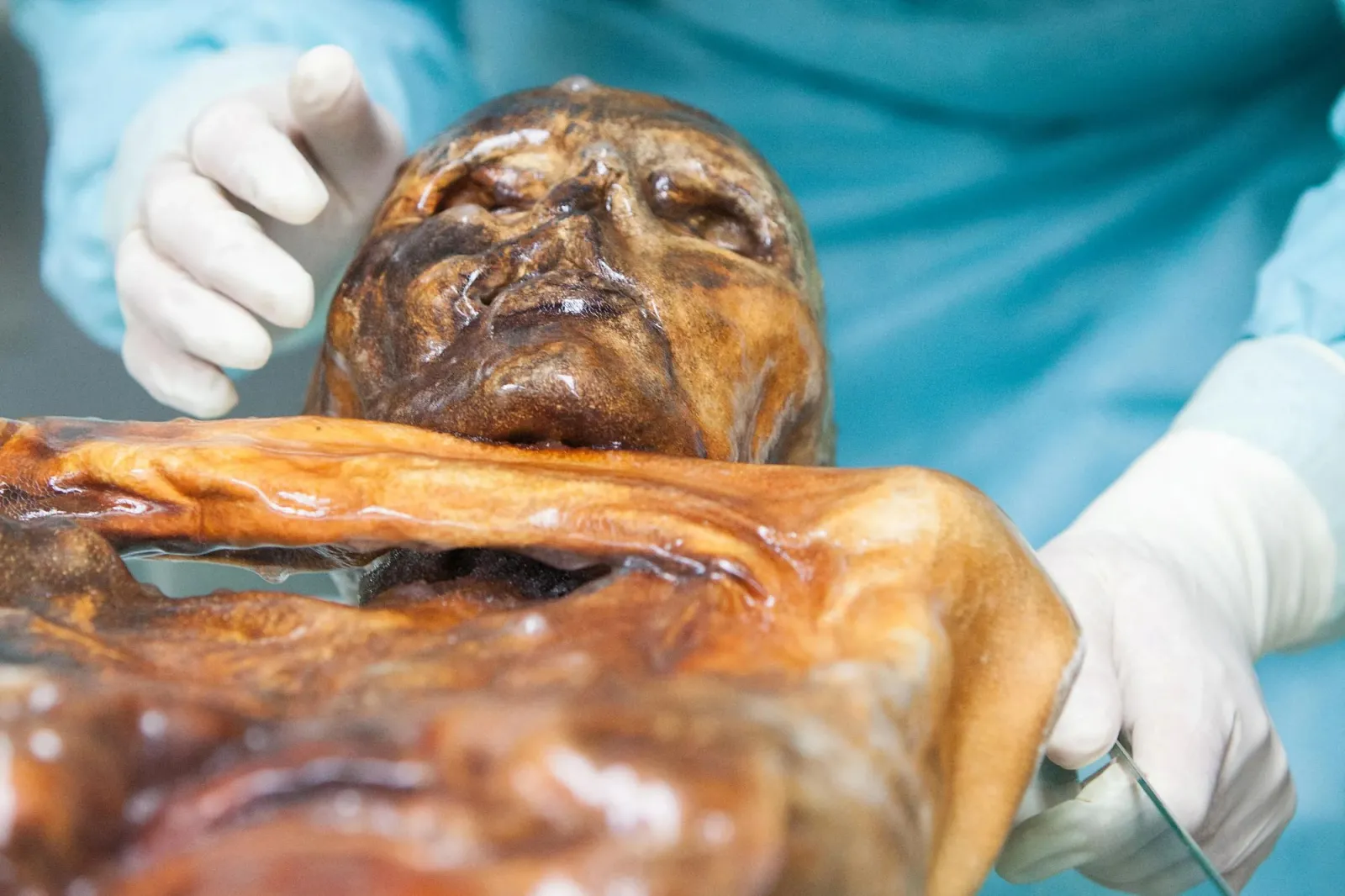
The shady trade of mummified body parts could soon spark global chaos by spreading ancient fungal spores and toxic chemicals through ordinary postal services, experts warn. Toxic fungi can survive in mummified human tissue for centuries, while decaying remains can also carry traces of dangerous chemicals like arsenic and mercury found in nineteenth-century embalming fluids.
Biomedical Egyptologist Sofia Aziz stated, "I don't think mummified human remains should be sold at all. Every one of these was a person, not a souvenir." Touching mummified remains has carried deadly consequences historically, such as the famous curse of Tutankhamun linked to British archaeological patron Lord Carnarvon in 1923, and a 1973 incident where ten out of twelve scientists died after inhaling Aspergillus spores when opening the fifteenth-century tomb of King Casimir the Fourth of Poland.
Online platforms driving the trade
Global trading of human remains has increased significantly over recent decades due to the rise of social media and online forums. University of Staffordshire professor of human bioarchaeology Kirsty Squires conducted a study analyzing one hundred twenty-eight online sale posts from 2015 to 2025 that advertised human and animal remains, noting that mummified heads, hands, and feet were very common.
Professor Squires found that most shared images showed visible signs of deterioration caused by poor storage conditions. While museums keep mummies in strictly controlled temperature and humidity, private sellers often hide body parts in boxes, basements, or garages to conceal illegal activity, creating ideal breeding grounds for bacteria and mould.
Postal transmission and legal loopholes
Transporting mummified relics through ordinary parcels and boxes creates a major health concern if fungal spores spread to packaging, delivery personnel, and buyers. Sofia Aziz explained that modern mould and bacteria grow on damp remains after removal from burial sites, and dried tissue crumbles easily so that people breathe in the spores. Postal workers, couriers, and customs officers handle these packages without knowing their contents or wearing protective equipment.
A bill introduced in the UK House of Commons in February to ban the online sale of human remains was later dropped, meaning it remains legal under current UK law to buy and sell human bones and remains if part of a private collection and acquired legally. Only nations like India, China, and South Africa enforce country-wide bans, alongside specific US states including Florida, Texas, and Georgia.