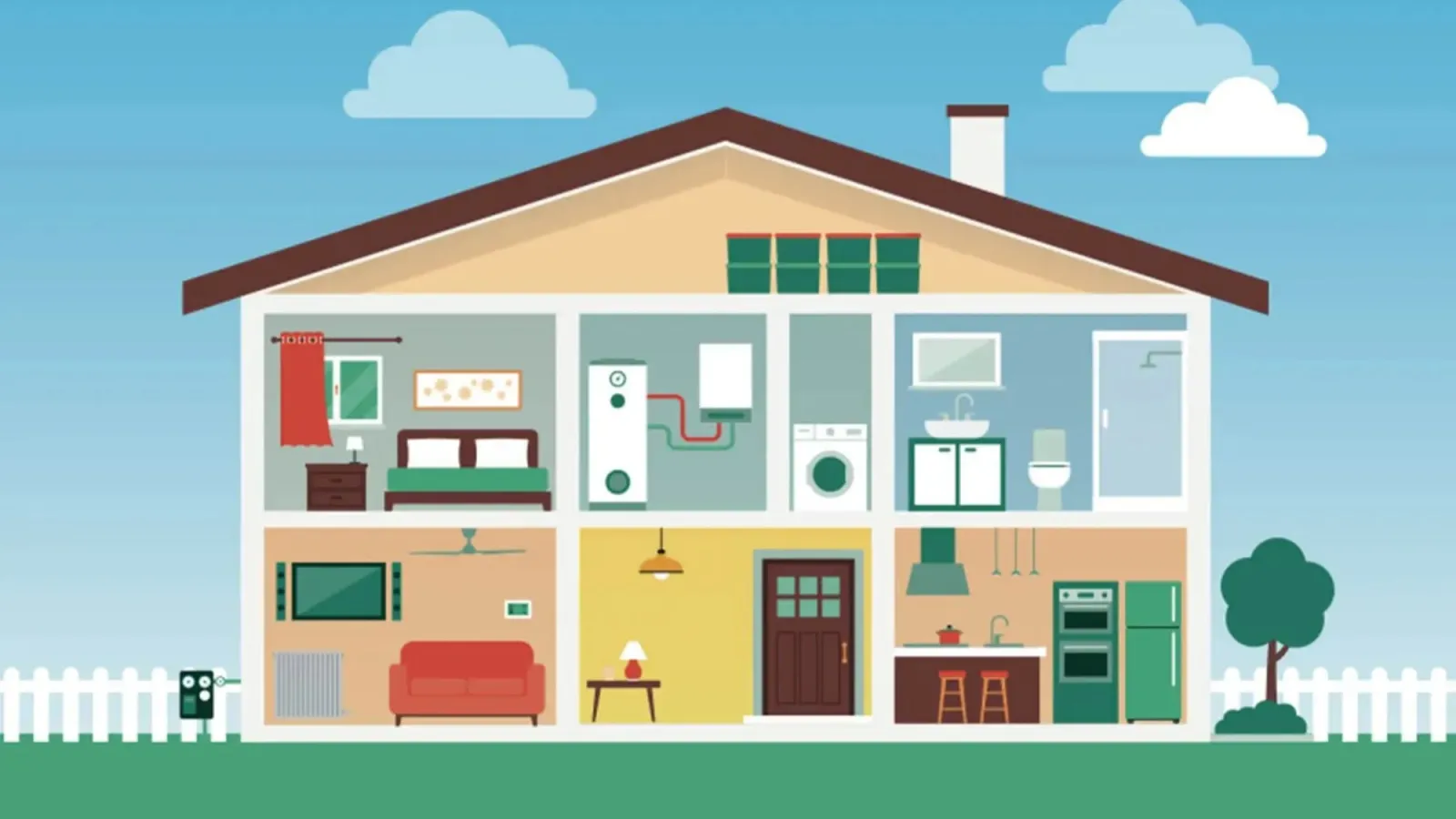
With rising energy costs and dropping temperatures, keeping a home warm can cost thousands during winter. A Sun survey found 82 per cent of readers are worried about their energy bills, and 60 per cent plan to cut back on heating. The Sun's This Paper Can Save You Money series gathers expert and reader tips to slash bills by over £2,200.
Attic Insulation - Save £190
Your roof space may be leaking heat, inflating bills. Insulating it could save about £190 a year, says the Energy Saving Trust. A professional retrofit costs roughly £750 for a typical semi-detached house, but a DIY job is around £150, according to the National Energy Foundation. Check eligibility for the Warm Homes scheme if you live in England with an income below £36,000; apply at gov.uk/apply-warm-homes-local-grant. Other parts of the UK offer similar funding.
Bedroom Draught-Proofing - Save £55
Sealing windows and doors can reduce annual spend by about £55, Darren Danks of Worcester Bosch reports. Self-adhesive strips are available for £4 from Dunelm, or a homemade draught excluder can be made from a cut leg of tights stuffed with old socks.
LED Light Replacement - Save £45
Switching from halogen to energy-efficient LED bulbs saves roughly £45 per year, according to the Energy Saving Trust, and LEDs last longer, cutting replacement costs.
Living-Room Thermostat - Save £120
Lowering the thermostat by one degree can cut yearly energy costs by about £120, Darren of Worcester Bosch advises. He recommends 18°C to 21°C for most adults, 21°C for those over 65, young children or people with limited mobility.
Smart Heating Controls - Save £100
Installing programmable thermostats, room thermostats and thermostatic radiator valves can reduce energy usage and save another £100 a year, says Darren. These devices allow heating only in needed rooms.
Standby Power Off - Save £45
Turning off appliances at the plug rather than leaving them on standby saves about £45 annually, the Energy Saving Trust estimates. Common "zombie" devices include TVs, game consoles, coffee machines and phone or laptop chargers.
Garden Water Meter - Save £190
Households without a water meter pay based on property value; switching to a meter means paying for actual consumption, potentially saving £190 a year. MoneyHelper notes that families with fewer occupants than bedrooms are especially likely to benefit. Water suppliers usually install meters free of charge.
Utility-Room Laundry - Save £26
Washing clothes at 30°C and reducing one load per week can save around £26 a year, the Energy Saving Trust says. Lower-temperature cycles suit everyday washing, and waiting for a full load cuts unnecessary washes.
Ditch the Tumble Dryer - Save £50
Drying laundry outdoors or with an indoor airer in a ventilated room can avoid tumble dryer use, saving roughly £50 annually, the Energy Saving Trust estimates.
Landing Hot-Water Tank - Save £45
Adding an insulating cover to the hot-water tank in the airing cupboard can reduce heat loss and save about £45 a year. Covers cost around £30 and may pay for themselves in eight months.
Aerator Fix - Save £20
Installing a tap aerator mixes air with water flow, reducing usage without weakening the stream. The device can save around £20 a year on energy bills, costs from £4, and some water companies provide them free. Water Worth Saving reports up to 40 litres a day per household can be saved.
Fridge Adjustment - Save £1,000
The average family of four discards about £1,000 of food annually, according to Wrap. Keeping the fridge at 0°C to 5°C, avoiding overfilling, freezing before the use-by date and storing fruit inside can extend food life by up to three days, reducing waste and cost.
Bathroom Shower - Save £45
Limiting showers to four minutes can cut annual energy bills by about £45, Darren says. Replacing one hot bath a week with a four-minute shower could save an additional £10 yearly.
Toilet Leak - Save £300
A leaking toilet can waste 200 to 400 litres of water daily, Waterwise reports. Checking for a leak involves waiting 30 minutes after flushing and observing whether dry toilet paper becomes wet. Fixing a leak on a water-metered household can save roughly £300 a year, Scott Godfrey of Black Hammer notes.
Home Value Boost From Insulation
Vikkie Lee, 43, from Lincolnshire, added an estimated £28,000 to her three-bedroom house's value by installing loft insulation herself. She purchased the property for £320,000 and spent about £700 on new rolls from Wickes. The work raised her EPC rating from E to C, potentially increasing the house's value by up to 8.8 per cent, Rightmove says.
Small Adjustments, Big Savings
Jia Blackburn, 39, from North East London, reduced her annual heating cost from £2,800–£3,000 to £1,286 through insulation, a smart meter, energy-efficient appliances and other measures. Her biggest expense was secondary glazing at £5,800; uPVC double glazing would have cost up to £20,000. She stresses that comfort need not be sacrificed for savings.
- Loft insulation £190
- Hot water tank jacket £45
- Thermostat tweak £120
- Smart heating £100
- Standby appliances £45
- Draught-proofing £55
- LED lightbulbs £45
- Fridge tweaks £1,000
- Tap aerator £20
- Laundry temp £26
- Ditch tumble dryer £50
- Shorter showers £45
- Fixing toilet leaks £300
- Water meter £190
- TOTAL: £2,231
In our reader survey, 37 per cent said financial pressure affected their mental health, while 73 per cent trust The Sun to provide accurate and helpful bill advice.