Lawmakers on both sides of the aisle are demanding explanations after Nvidia chose to bring Jensen Huang back as chief executive, arguing that his ties to China could threaten U.S. national security in the AI race.
Congressional Statements on Huang's Reinstatement
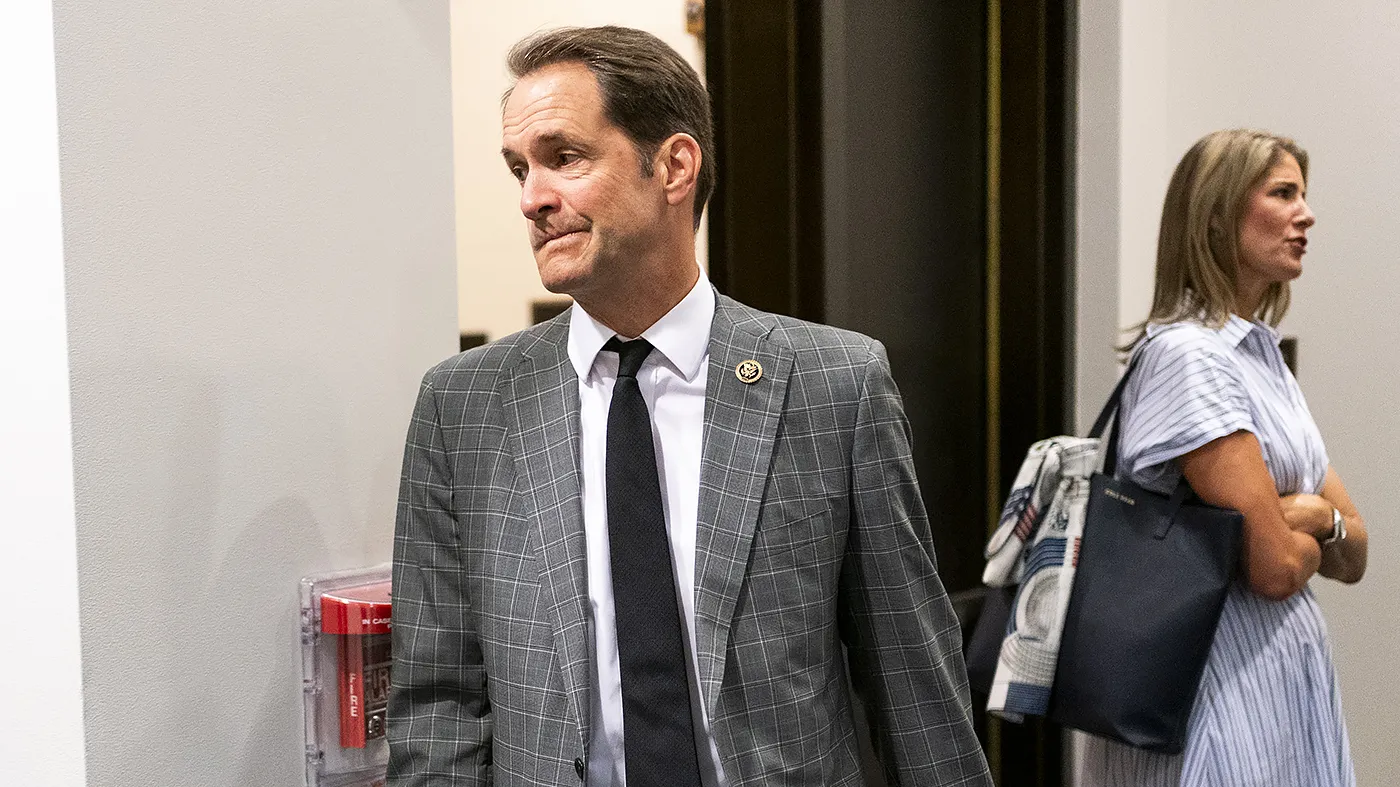
Rep. Jim Himes (Conn.), senior Democrat on the House Intelligence Committee, said the board may believe Huang poses no risk, but Congress still seeks answers. He added that Huang will appear before the House Foreign Affairs Committee, the House Intelligence Committee and the House Select Committee on China on Dec. 1, and before the Senate Banking Committee on Dec. 3.
Senate Minority Leader Chuck Schumer (D-NY) warned that the Trump administration's push to return Huang underscores the need for congressional action. He accused the administration of prioritizing personal financial interests over national security and pledged to investigate any wrongdoing by Trump officials, Huang and other Nvidia executives. Schumer also urged bipartisan efforts to block the flow of advanced technology to the Chinese military and other adversaries.
Calls for Export-Control Legislation
House Minority Leader Hakeem Jeffries (D-NY) declared that Congress would pursue a swift, thorough investigation into Nvidia's business practices and alleged corruption involving Commerce Secretary Howard Lutnick. Jeffries urged that the National Defense Authorization Act include robust export-control provisions to prevent powerful AI technology from falling into Chinese hands.
Lawmakers across the aisle have introduced bills to tighten restrictions on chip exports, but it remains uncertain whether the proposals will be adopted in the lame-duck session. A bipartisan group is seeking to embed export controls in the National Defense Authorization Act.
Political Reactions and Allegations
Rep. Don Bacon (R-Neb.) and Rep. Bill Huizenga (R-Mich.) expressed concerns that Huang, who has historically pushed Nvidia chips into China, may have been compromised by a Chinese spy. Bacon urged Congress to investigate approvals of high-end chip sales to China, while Huizenga called for stricter controls on technology transfers.
Sen. Ruben Gallego (D-Ariz.) criticized the president for allegedly selling out national security to benefit the stock market and his personal interests.
Lawmakers' Demand for Further Inquiry
Rep. Jamie Raskin (D-Md.) questioned why Trump and Lutnick allegedly prioritized China's interests, citing potential financial gains and hidden information. He promised a full congressional investigation once the new Congress convenes.
Rep. Randy Fine (R-Fla.), a member of the House Foreign Affairs Committee, sought more clarity on Huang's relationship with a Chinese spy, questioning whether Huang was aware of the spy's identity and what information, if any, he shared. Fine also highlighted the broader AI arms race, emphasizing the importance of protecting U.S. technology from Chinese acquisition.
Julia Shapero and Miranda Nazzaro contributed to this report.