Labour leader Andy Burnham has recently placed Brexit back at the centre of his political agenda, a move that critics say could pull the United Kingdom's government away from urgent domestic priorities such as the economy, immigration and welfare. The shift has sparked debate over whether the new Prime Minister's strategy will resonate with voters who rank other issues higher on their list of concerns.
Burnham's Brexit Strategy
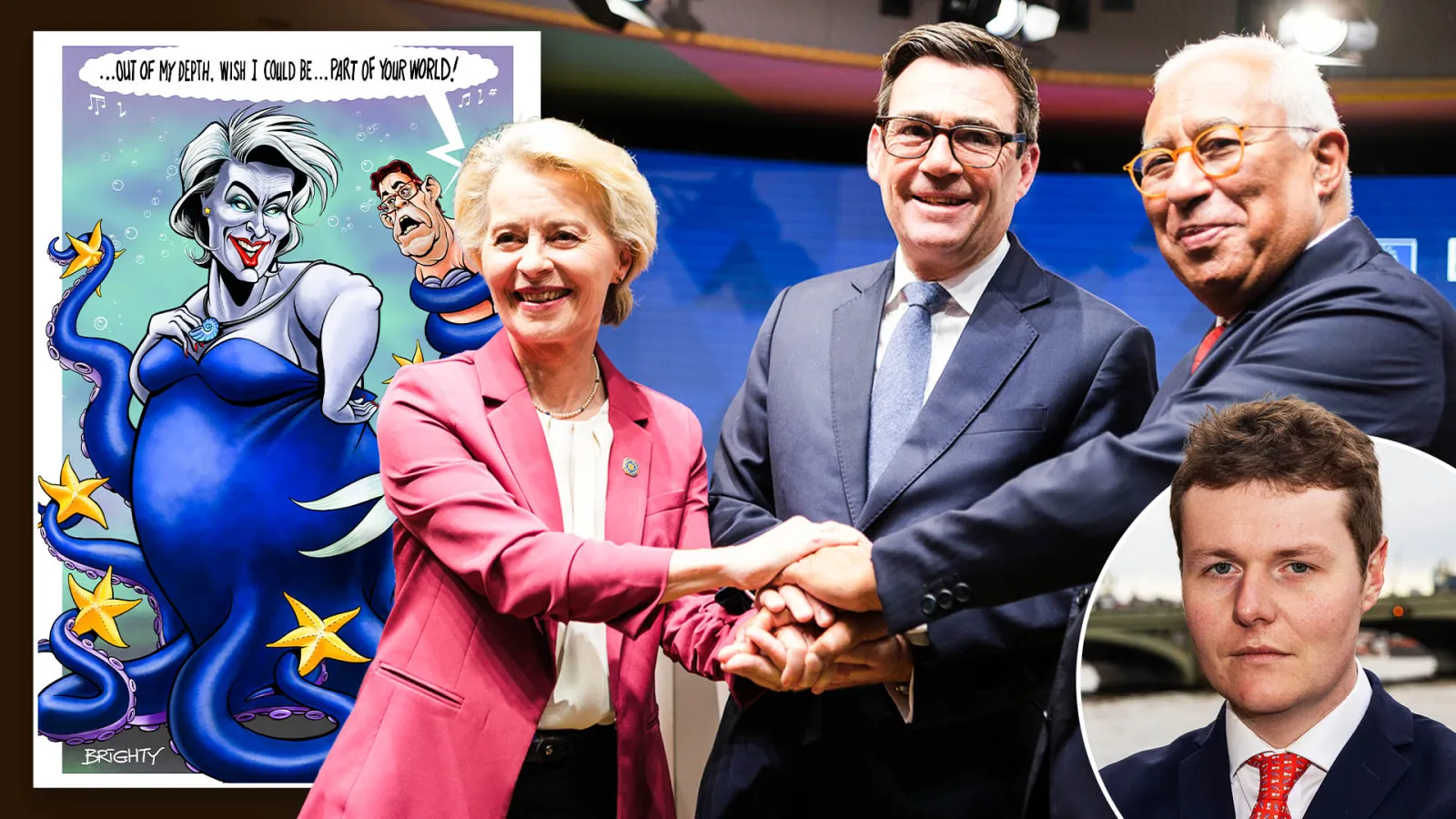
Since taking office last summer, Burnham has publicly promoted a closer relationship with the European Union, positioning it as a unifying factor for the left-wing coalition of Labour, the Liberal Democrats and the Green Party. He has cited polls indicating that approximately 75 % of the public supports stronger ties with Europe, and he has highlighted the potential for reduced food costs as a benefit of a new EU agreement.
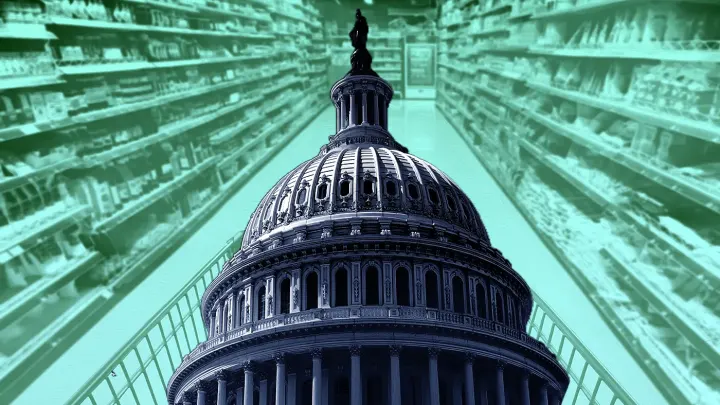
Burnham has also referenced the EU deal signed last week, asserting that it will "bring the cost of food down" in supermarkets. He has claimed that the agreement will lead to smoother trade ties that could save consumers money, a promise that has drawn criticism from opposition figures who argue that inflation will offset any savings.
Public Priorities and the Brexit Decline
According to a recent YouGov tracker, the economy and immigration are the two most pressing concerns for the British public, with health, crime, defence and welfare falling behind. Only 11 % of respondents listed Brexit as a top priority. Historically, Brexit dominated the political landscape during the 2016 referendum and the 2019 general election, but it has since receded in importance.
Potential Political Consequences
Burnham's focus on Brexit is seen by some as a political gambit aimed at uniting progressive voters. By appealing to those who are disillusioned with the Conservative Party, he hopes to siphon votes from Liberal Democrat leader Ed Davey and Green Party leader Zack Polanski. The strategy also includes proposals such as sanctioning Israeli settlements and adopting proportional representation, which are intended to attract a broader left-wing base.
Opposition voices, including former Cabinet minister David Lammy and Rachel Reeves, have expressed concerns that a return to Brexit discussions could erode trust in politics. They argue that the focus on EU relations may distract from pressing domestic issues such as the welfare bill, the asylum system and the ongoing review of disability benefits.
Economic Implications of the EU Deal
Burnham has promised that the new EU agreement will lower the cost of food for consumers. However, critics point out that any potential savings could be absorbed by persistent inflation, meaning that the average household may not see a noticeable reduction in grocery bills. The claim has been compared to former Labour leader Ed Miliband's pledge to reduce energy bills by £300, a target that has yet to materialise.
Broader Context: The UK's Political Landscape
While the UK government has been working on consultations related to various policy areas, critics argue that the focus on Brexit represents the "biggest consultation in our history." The debate has reignited old political divisions, with both sides re-forming old alliances and repeating arguments that once dominated the national conversation.
What Happens Next?
With the small boat arrivals continuing, the welfare bill rising, and the economy fluctuating, many analysts believe that the government should prioritise these issues over a return to Brexit negotiations. The upcoming review of disability benefits and the ongoing Milburn review are examples of the type of policy work that could be diverted if the focus shifts towards EU relations.
Why This Matters
Voters who prioritise the economy, immigration and welfare may feel that their concerns are being sidelined. The potential shift in political focus could influence public trust and the outcome of future elections, as the electorate weighs the trade-off between domestic stability and European engagement.
Key Points
- Andy Burnham has renewed focus on Brexit to unite left-wing voters.
- Only 11 % of the public lists Brexit as a top priority.
- Burnham claims the new EU deal will lower supermarket food costs.
- Critics argue inflation will negate any potential savings.
- Opposition politicians warn that Brexit focus could erode political trust.
Frequently Asked Questions
- What is the main focus of Burnham's recent political agenda? He is concentrating on a closer relationship with the EU and the potential economic benefits of a new EU agreement.
- How do voters rank Brexit compared to other issues? The YouGov tracker shows that the economy and immigration are the top concerns, while only 11 % of respondents rank Brexit as a priority.
- What are the potential economic effects of the EU deal? Burnham claims it will lower food costs, but inflation may offset any savings.
Image Prompt
Photo of a busy London street with a mixture of modern office buildings and historic architecture, showing commuters on the pavement and a tram passing by.