Newcastle United's majority owners, the Public Investment Fund (PIF) of Saudi Arabia, have begun the process of selling a 25 per cent stake in the club. The move is aimed at raising around £300 million to support the club's ambitious plans for a new 65,000-seater stadium and a £190 million training complex.
As of now, PIF holds 85 per cent of the Premier League side, with the remaining 15 per cent owned by the Reuben brothers. The sale will involve issuing new shares, allowing new investors to acquire up to a quarter of the club while PIF's existing stake is diluted. JP Morgan, appointed as financial advisers, has already started sourcing potential buyers. PIF will keep its majority shareholding and overall control of the club.
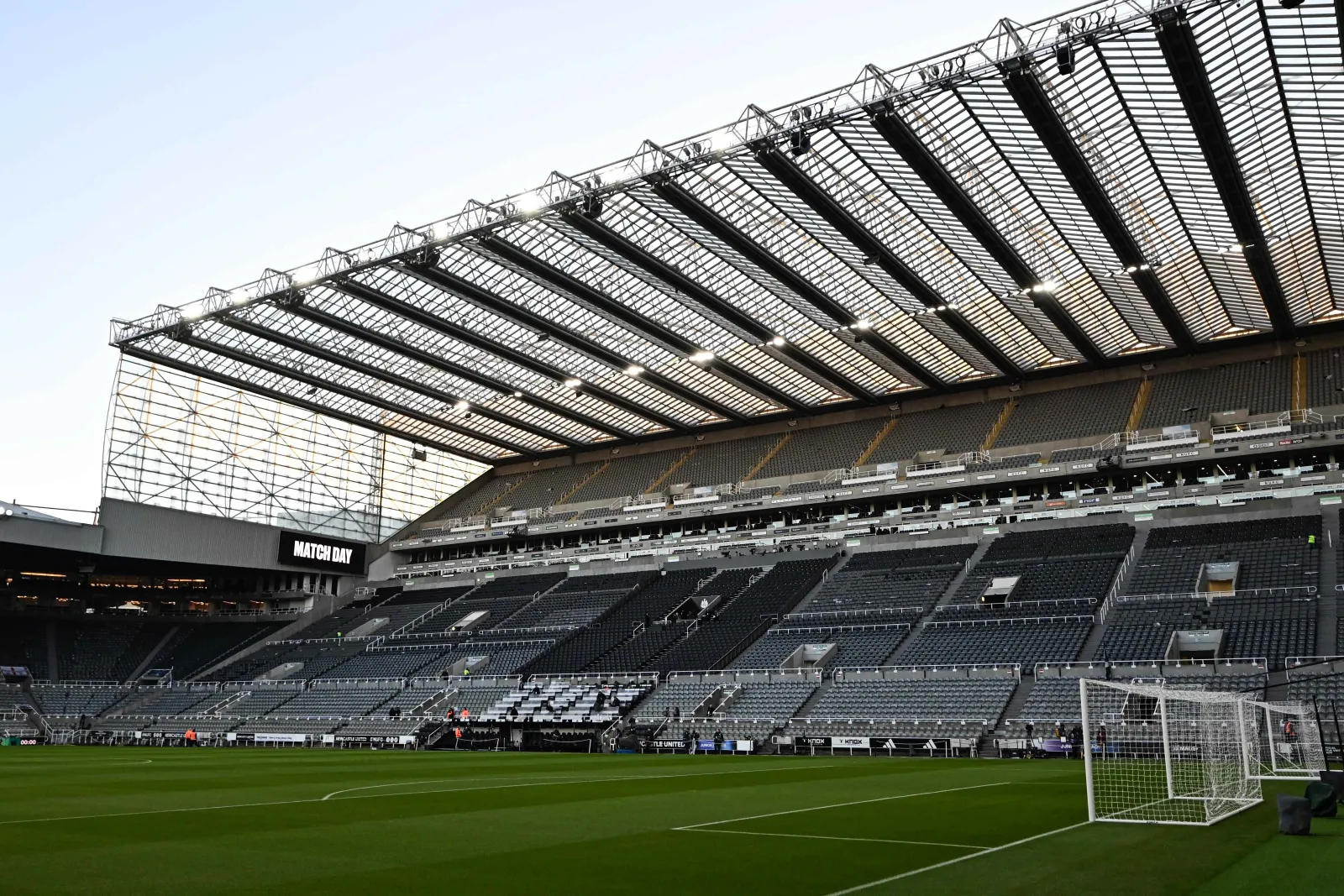
Despite withdrawing funding for LIV Golf earlier this year, the PIF remains committed to Newcastle United. The club's chief executive, David Hopkinson, said the new stadium is essential for unlocking revenue streams. The club has occupied St James' Park since 1892, but talks have centred on a new home rather than redeveloping the current ground. Discussions with Goldman Sachs have focused on financing a £1.3 billion stadium at Leazes Park.
Newcastle United has also announced plans for a £190 million training ground on the 260-acre Woolsington Hall estate near Newcastle International Airport, expected to open by 2029. The club's long-term strategy aims to increase its valuation to around £5 billion.
The announcement comes after a report by Sun Sport in May that the owners were looking to raise the capital through a share sale. The club's COO, Brad Miller, told a fan event that he could not provide details on the stadium plans, citing the complexity of the decision. Hopkinson confirmed that talks with bankers had occurred and reiterated the need for a larger ground to generate additional revenue.
Background on Newcastle United Ownership
Newcastle United was purchased by the PIF and the Reuben brothers in 2021 for £305 million. The deal ended the club's decade-long ownership under former chairman Mike Ashley. Since taking control, the PIF has invested heavily in the team's infrastructure and squad, while the Reuben brothers have maintained a minority stake.
The club's ambitions have grown steadily since the takeover. The proposed 65,000-seater stadium, valued at £1.3 billion, would replace St James' Park and be located on the historic Leazes Park site. The new venue is expected to generate significant matchday revenue, hospitality income, and commercial opportunities, positioning Newcastle United as a top-tier club in the Premier League.
Financial Strategy and Share Sale Mechanics
The share sale will involve issuing new shares to external investors. These investors will receive a 25 per cent shareholding in exchange for their capital injection, which will be directed straight into the club's accounts. No proceeds will be paid to the PIF, as the sale dilutes its existing stake. The PIF will retain an 85 per cent ownership, maintaining majority control and strategic direction.
JP Morgan, acting as the financial adviser, is responsible for identifying suitable buyers and structuring the transaction. The PIF's commitment to the club remains unchanged, with the intent to increase the club's value to approximately £5 billion in the long term.
Training Ground Expansion
The £190 million training complex at Woolsington Hall is part of the club's broader development plan. The 260-acre site will feature state-of-the-art facilities, including multiple pitches, medical suites, and a media centre. The project is slated for completion by 2029 and will serve as a hub for player development, youth academy operations, and community outreach.
Stadium Plans and Funding Discussions
The proposed stadium at Leazes Park would seat 65,000 spectators and cost an estimated £1.3 billion. The project is considered a long-term investment aimed at boosting revenue through ticket sales, hospitality, and naming rights. Discussions with Goldman Sachs have focused on securing the necessary financing, with the share sale expected to provide a significant portion of the required capital.
David Hopkinson highlighted the importance of the new stadium for the club's financial future, stating that the current St James' Park would not meet the club's revenue objectives. The new venue would also offer modern amenities and increased capacity, aligning Newcastle United with other Premier League clubs that have upgraded facilities.
Implications for Fans and the Local Community
The new stadium and training ground are expected to create jobs during construction and operation phases. Local businesses anticipate increased footfall on match days, and the club's community programs aim to involve residents in the development process. The investment also signals a commitment to enhancing the fan experience with improved facilities and accessibility.
What Happens Next?
Following the announcement, the club will move forward with the share issuance process, engaging with potential investors and finalising the terms of the sale. The PIF will maintain its majority stake, while new shareholders will bring additional capital and potentially new expertise to the club's board.
Once the capital is secured, the club will proceed with detailed planning and construction of the new stadium, subject to planning approvals and regulatory compliance. The training ground at Woolsington Hall will also advance, with construction timelines aiming for a 2029 opening.
Stakeholders, including fans, local authorities, and investors, will monitor the progress closely as the club moves toward a new era of growth and ambition.
For more on stadiums in England, see Haunted English Stadiums and for a look at a major stadium event, Super Bowl Halftime Headliner.