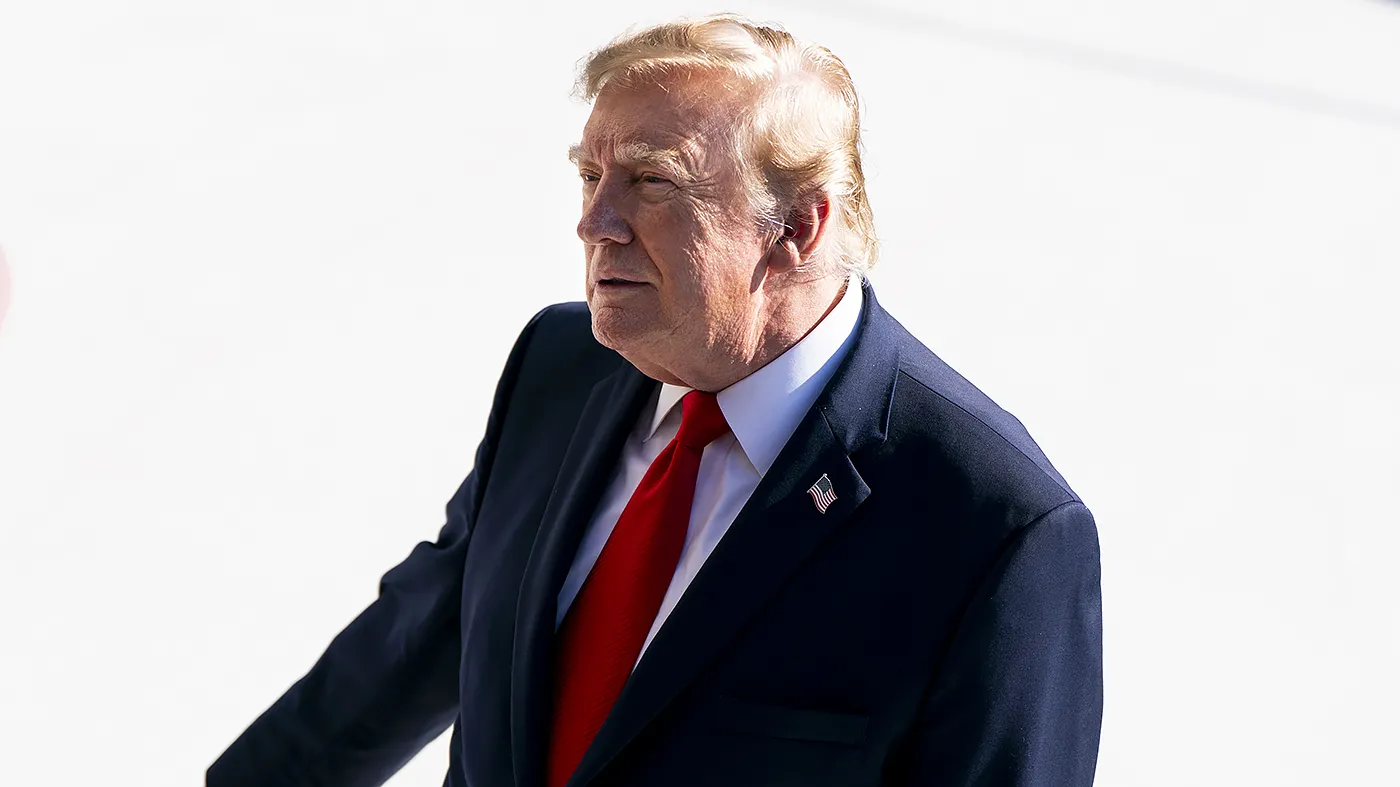
President Trump is confronting a transformed political landscape as he begins his final two years in the White House. The Republican Party suffered a severe defeat in the midterm elections, with Democrats securing nine additional seats in the Senate and achieving their highest House seat total since the 1990s. Blame for these losses partially fell on President Trump, who currently sits near his lowest point in public opinion polls.
Once the new Congress takes office, Democrats plan to launch investigations into his allies and family members while also possessing the legislative authority to block presidential initiatives. Despite these obstacles, President Trump retains strong backing from his MAGA base, maintains firm control over the Republican Party, and commands significant media influence.
What happens with the war on Iran?
The military conflict with Iran, initiated by President Trump alongside Israel at the end of February, weighed heavily on Republican prospects during the midterms. The resulting spike in energy prices dismayed voters, while some supporters viewed the action as a betrayal of campaign promises regarding America First policies. Vice President JD Vance explicitly blamed the election losses entirely on the military conflict, writing on social media that the war caused the defeat.
President Trump stated he does not object to the characterization provided by Vice President Vance, though he suggested his deputy should have affirmed that going to war was correct. Current uncertainties focus on future actions in the region. President Trump shifted Vice President Vance away from potential negotiations by posting that no deal with Iran is necessary, while reports suggest military escalation is under consideration. Alternative outcomes depend on whether economic pressure forces Iranian concessions or sparks a domestic uprising, though the exact terms President Trump seeks remain unclear.
Can he really work with Democrats?
Senator-elect Abdul El-Sayed emerged as an unexpected advocate for a bipartisan agreement on healthcare between President Trump and the Democrats. During the midterm campaign, President Trump criticized Senator-elect Abdul El-Sayed using Islamophobic language and referred to him as a jihadist. Senator-elect Abdul El-Sayed has expressed openness to letting President Trump put his name on a Medicare for All style program if the underlying policy achieves his goals.
President Trump stirred debate within the Republican Party by amplifying a social media post about the proposal featuring a gold card for recipients. During a White House news conference on November 20, President Trump identified healthcare, college sports reform, and the movie and television production industry as potential areas for bipartisan cooperation. However, he subsequently noted on social media that working with Senate Minority Leader Chuck Schumer would prove very difficult if Democrats hold the majority.
Does Jensen Huang return stop the AI stock slide?
President Trump intervened directly to reinstate Jensen Huang as the chief executive officer of chip manufacturer Nvidia in an effort to support financial markets. Nvidia shares surged by over 30 percent on Monday following the announcement, lifting major stock indices like the Nasdaq composite. Trading reversed the following day as Nvidia dropped nearly 6 percent and the Nasdaq declined about 1.5 percent.
Market volatility stems from multiple concerns, including potential slowdowns in artificial intelligence infrastructure spending and regulatory hurdles under a Democratic Congress. Nvidia faces ongoing scrutiny that could impact the broader artificial intelligence sector. These market fluctuations will significantly influence the political standing of President Trump.
Is Trump finally slipping toward lame-duck status?
President Trump maintained his influence longer than most second-term leaders due to his tight grip on the Republican Party and the electoral consequences for those who opposed him. Primary challengers backed by President Trump defeated critics like Representative Thomas Massie and Senator John Cornyn earlier in the year. However, Texas Attorney General Ken Paxton lost the Republican Senate primary to Senator-elect James Talarico.
This electoral setback emboldened more Republicans to voice dissent over matters like the Nvidia controversy. Speculation regarding potential 2028 presidential nominees like Vice President Vance and Secretary of State Marco Rubio highlights a growing sense that the post-Trump era is approaching.
Can his approval ratings recover?
Polling data from Decision Desk HQ indicates the approval rating for President Trump sat 26 points into negative territory, with 62 percent of Americans disapproving and 36 percent approving of his job performance. A definitive end to the Iran conflict, lower inflation, and a stronger economy could help reverse these numbers. Conversely, ongoing Democratic investigations and voter fatigue regarding his social media activity and public projects could keep his ratings low.