America Faces Growing Military and Civilian Divide as New Deployments Begin
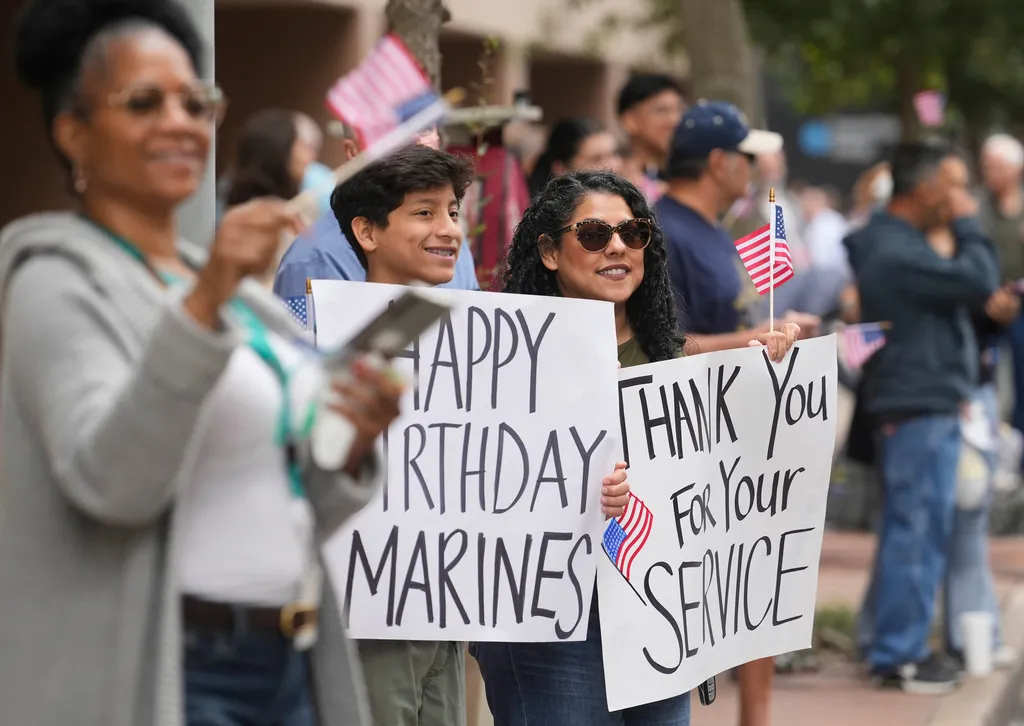
Earlier this month, on Veterans Day, the nation paused to thank those who have served. In America's 250th year, the gratitude was genuine with parades, free meals, and handshakes in airport terminals. Then, as it does every November, the moment passed quickly.
Five years ago, as the twentieth anniversary of 9/11 was marked, retired Marine Corps Lieutenant Colonel and ZeroMils co-founder and CEO Kevin M. Schmiegel wrote that a rising number of those who shouldered the burden of two decades of war felt increasingly disconnected from their communities and civilian neighbors. Schmiegel borrowed a line captured by Tom Nichols in The Atlantic, a refrain common among the troops in those early years noting that the country is at war while America is at the mall.
With American service members once again deployed in combat operations this year, that line has unfortunately not aged poorly. The evidence of the military and civilian divide remains compelling and deeply troubling across the country.
Decline in Public Confidence and Family Ties
The 2025 Reagan National Defense Survey found that just 49 percent of Americans have a great deal of confidence in the military, which is down 21 points since 2018. Fewer Americans have any personal tie to service at all today. Pew Research found that only one-third of adults under 30 had an immediate family member who had served in the armed forces.
The Department of Defense and its senior leaders have repeatedly characterized this widening gap as a threat to national security. The reason behind this concern is simple because young people rarely aspire to a life they have never seen up close in their daily routines.
The hard truth is that data and awareness without subsequent action remain meaningless. For too long, society has patted itself on the back for identifying and giving a name to an issue without following through.
Local Solutions for Transitioning Service Members
Spending the past three years in working sessions between veterans, their families, employers, college presidents, mayors, installation commanders, and service providers revealed several crucial lessons. First, the divide is local, and so is the fix for communities nationwide.
What a transitioning Marine needs in San Diego is not what a National Guard family needs in Nashville. National awareness campaigns matter, but the communities making real progress are the ones that stopped waiting for Washington and wrote their own plans for hiring, training, mentoring, and measuring success.
Second, communities must retire the broken-veteran narrative. When communities see service members, veterans, and military spouses primarily as people to be helped, they design assistance programs rather than thriving local economies.
Building Thriving Communities for Veterans
Thriving requires much more than just finding a job. In forum after forum, participants described essential elements including meaningful work, a sense of purpose, a connected community, health and wellness, and the practical tools to navigate a new place.
Getting one of those right while others fail results in families moving on to other areas. Getting them right together ensures that families put down deep roots.
Getting this right is how the nation inspires the next generation to serve. The most persuasive recruiter in America is not an advertisement, but rather a helpful neighbor down the street.
Background on the American Armed Forces
The United States Armed Forces consist of the Army, Marine Corps, Navy, Air Force, Space Force, and Coast Guard. Following the September 11 attacks in 2001, the nation entered prolonged conflicts in Iraq and Afghanistan that spanned two decades. These extended military campaigns placed immense strain on an all-volunteer force, creating a distinct population of veterans who deployed multiple times.
Over successive rotations, the proportion of the American population with direct ties to military service shrank significantly compared to the era of the military draft during the Vietnam War or World War II. This demographic shift contributed to the isolation of service members from the broader civilian populace. Defense analysts and sociologists have studied this widening chasm for years, noting that civilian populations often remain largely insulated from the direct sacrifices associated with modern overseas contingencies.
Understanding Recruitment and National Security
Military recruitment relies heavily on family traditions and community visibility. Historically, a significant percentage of new recruits come from families with a history of military service. When children grow up interacting with veterans, active-duty personnel, and military families in their neighborhoods, the armed forces remain a familiar and viable career option.
As geographical clustering of military bases and changing population densities reduce daily civilian interactions with service members, recruitment branches face unprecedented challenges. The Department of Defense regularly invests in outreach programs, youth physical fitness initiatives, and educational partnerships to bridge this exposure gap. Leadership development within civilian institutions is often viewed as a complementary approach to strengthening overall national resilience and defense readiness.