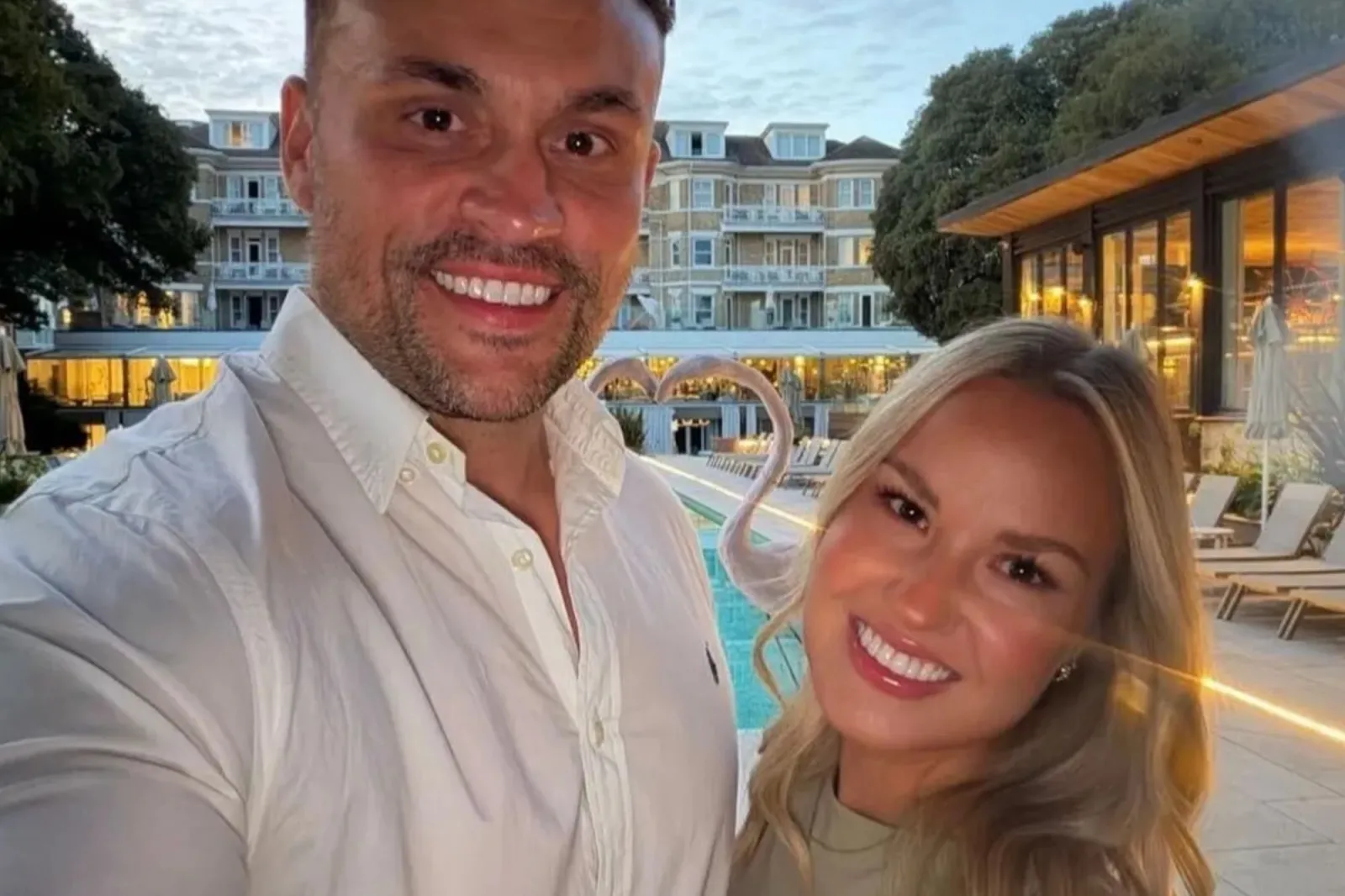
When Will Fishenden took his initial fertility test, he expected everything to be completely normal. However, the outcomes brought an unexpected shock to the 39-year-old man. Will had recently begun trying to conceive a child alongside his 34-year-old wife Mahulenka when he learned his sperm parameters were somewhat low.
Will, who serves as co-founder for a healthy meal prep business called Prep Kitchen, already maintained an active lifestyle and ate nutritious foods. Yet, he committed to transforming his habits entirely to improve his chances of fatherhood. Through extensive research, he discovered a social media phenomenon known as spermmaxxing. This movement involves younger generations pushing diet and sleep tracking routines to extremes for maximum biological results.
Although medical professionals note that spermmaxxing remains a social media concept rather than a formal medical term, Will followed the routines for a three-month developmental cycle. Afterward, his medical evaluations showed significant improvements across volume, motility, and shape. Fertility nutritionist Charlotte Grand notes that sperm cells take approximately 74 days to develop, making the 12 weeks prior to conception a crucial window to optimise their environment.
Expert Take On Supplements And Nutrition
Will incorporated more zinc and selenium into his daily routine, consuming foods like seafood, poultry, eggs, whole grains, and nuts while also taking male fertility supplements. General practitioner Dr Ahmed El Muntasar explains that while these nutrients support normal reproductive function, high doses do not automatically transform healthy sperm into superior samples. He cautions against taking multiple high-dose supplements without checking ingredients, as excess minerals can cause harm.
Alcohol And Vaping Changes
After previously enjoying moderate drinks socially, Will stopped drinking alcohol completely for three months. Dr Ahmed states that while heavy drinking links directly to poor reproductive health, moderate drinkers cannot expect absolute transformations from three months of total abstinence. Will also quit social vaping during this period. Dr Ahmed supports avoiding e-cigarettes due to nicotine and harmful aerosol contents, noting that early research raises concerns about reproductive health even if the specific evidence is newer than traditional cigarette smoking.
Weight Loss And Fitness Adjustments
Will shed 10kg, moving from 125kg down to 115kg, by viewing his daily nutrition differently. Dr Ahmed describes this weight reduction as a sensible approach since obesity correlates with lower sperm quality. Alongside weight training, Will added cardio exercises like the StairMaster and assault bike. Dr Ahmed clarifies that no specific training zone holds magic properties for sperm, emphasizing instead that regular physical activity and metabolic health remain the primary goals.
Sleep And Heat Exposure Modifications
Using a health tracker to monitor his rest, Will established strict sleep routines involving morning sunlight and consistent wake times. Dr Ahmed notes that while poor sleep links to reduced sperm counts, sleep habits act as general health practices rather than direct treatments. To combat the heat from his sauna use, Will reduced his visits and used ice packs and morning ice baths. Dr Ahmed explains that while testes function best below core body temperature, extreme measures like ice baths lack solid medical evidence for improving fertility.
The Final Expert Verdict
While Will experienced positive changes, medical specialists emphasize that online biohacking trends should not replace professional medical evaluations. Charlotte Grand warns that lifestyle adjustments alone cannot fix underlying structural or genetic causes of poor sperm parameters, such as a varicocele. Dr Ahmed concludes that men do not require extreme biohacking gadgets or ice packs, advising anyone struggling with conception to consult a general practitioner or fertility specialist instead of relying on social media content.