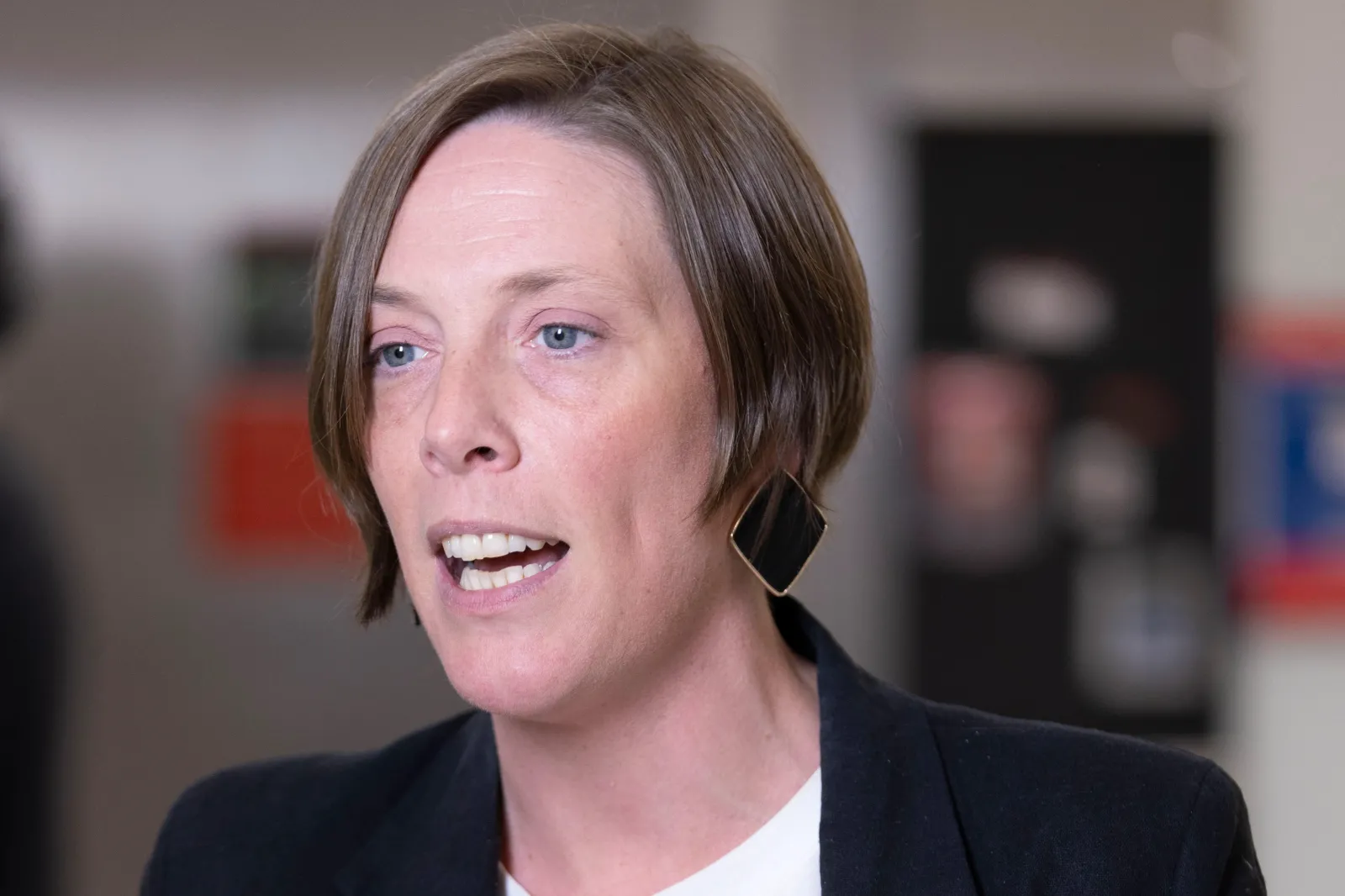
Former safeguarding minister Jess Phillips has furiously hit out at Channel 4 for giving paedophile Huw Edwards a "platform" while ignoring victims. The broadcaster is facing a storm of controversy over its decision to make an hour-long documentary with the disgraced ex BBC newsreader.
Edwards, who announced the Queen's death on the Beeb, was convicted in 2024 of making indecent images of children. But he has made the show in a shameless attempt to rehabilitate his shattered reputation.
Responding to a desperate attempt to defend the show by Channel 4, Ms Phillips demanded to know if they bothered speaking to victims before putting shamed Edwards front and centre. She exclusively told The Sun on Sunday: "Was the editor experienced in child sexual abuse?"
She continued: "Because if not, how can they be assured that they are asking the right questions, or know if they are hearing exactly what these perpetrators always say? Did they seek any guidance from victims or victims groups on this? It is irresponsible if victims of this crime are not also front and centre in this."
Ms Phillips also asked: "Does the experienced director even know if the children in those images are now safe? They may very well still be enslaved. Have they interviewed any of the thousands of other men who have been convicted of this crime to hear their side of the story or is it just interesting because he was famous?"
She added: "I am happy to confront things I don't like, I have to do it all day every day. They should admit that the reason they picked Huw Edwards not any of the thousands of other men who have done this is because it sells, it's not about confronting the issue. Unless they had the express permission of his victims and they were part of the process it's just more platforming his voice while theirs remains silent."
Channel 4 Defense And Official Statements
Channel 4 executive Louisa Compton was forced to issue a statement defending the programme after it was criticised by No10. She said it is "reasonable to ask why Channel 4 has made this film, and why now" but insisted it was proper journalism.
Ms Compton stated: "Huw Edwards is not being allowed to tell his story unchallenged or on his own terms. He is questioned throughout by an experienced director; he was not paid; he had no control over the content of the film; and there were no restrictions on the questions he could be asked."
In an apparent admission that victims do not appear in the documentary, which is due to be aired on Tuesday, she added: "We are also acutely conscious that behind offences involving indecent images are real children and real victims - including those as young as seven - who have been abused. Nothing about making this film diminishes the seriousness of that harm, nor does Edwards' participation entitle him to sympathy, redemption or rehabilitation."
Charities and victims groups have condemned the documentary, which was made in collaboration with The Observer. NSPCC chief executive Chris Sherwood also weighed in on the growing media controversy.
Mr Sherwood told The Sun on Sunday: "There are serious questions media outlets and broadcasters will need to answer about the choices they have made. There should not be any attempt to downplay the significance of Huw Edwards' crimes. We hope any programme, interview or report will have the wellbeing of children at its heart and will use this as an opportunity to focus on the devastating impact grooming, exploitation and child sexual abuse offences have on the young people who are subjected to these crimes and the urgent need for better protections for children - on and offline."
Background On The Broadcaster And The Conviction
Channel 4 is a British public-service television broadcaster headquartered in London, funded primarily through commercial advertising. Louisa Compton serves as the Director of News, Digital and Audience Trust at the network, overseeing editorial standards across various digital and broadcast properties. The upcoming television project involving the disgraced former news presenter has drawn intense scrutiny from politicians, child protection advocates, and members of the public across the United Kingdom.
Huw Edwards was previously one of the most prominent journalists and newsreaders employed by the British Broadcasting Corporation (BBC), anchoring major national events including state funerals and royal weddings. His career at the public broadcaster ended following legal proceedings related to the acquisition and distribution of illicit material. In 2024, the broadcaster pleaded guilty to charges connected to making indecent images of children, resulting in widespread public condemnation and the termination of his broadcasting career.
Reactions From Child Protection Charities
Child protection organizations such as the National Society for the Prevention of Cruelty to Children (NSPCC) work extensively to advocate for the safety and welfare of minors throughout the United Kingdom. Chief Executive Chris Sherwood leads the charity in addressing issues related to online safety, child sexual abuse, and the exploitation of vulnerable young people. Media coverage involving individuals convicted of offenses against minors often triggers substantial debate regarding the ethics of broadcasting interviews with perpetrators.
Advocacy groups frequently emphasize that public discourse surrounding such cases should prioritize the voices and experiences of survivors rather than offering platforms to convicted offenders. The involvement of media entities in producing biographical or explanatory documentaries about high-profile criminals continues to face rigorous examination from legislative bodies, government officials, and safeguarding experts who monitor how sensitive crimes are reported in the press.