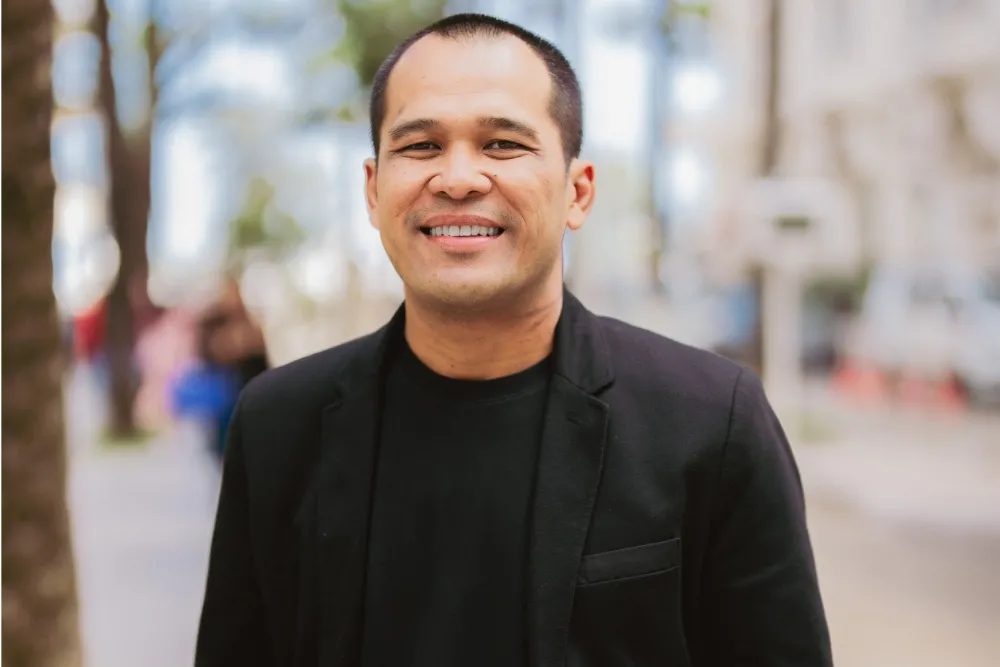
Indonesia's Jogja-Netpac Asian Film Festival (JAFF) director Ifa Isfansyah told Variety that the recent rise in quality and international visibility of Southeast Asian films must be backed by sustained national investment and cultural strategy to become a lasting structural shift rather than a temporary anomaly.
JAFF's 21st Edition Highlights Regional Talent
The 21st edition of JAFF attracted more than 1,000 submissions from 34 countries, of which 254 were selected for the festival's program. The lineup ran under the theme "Influx," opening with the Filipino drama Silenced Nights by Lawrence Fajardo and closing with the Japanese comedy-drama You Are the Film by Ueda Makoto.
Isfansyah's Call for Cultural Policy Integration
Isfansyah emphasized that international recognition of Southeast Asian cinema is still largely driven by individual films and filmmakers, rather than a broader, sustained strategy to strengthen cinema as part of a country's cultural infrastructure. He said, "I believe countries need to recognize cinema as an important part of their cultural strategy, not merely as an industry or a source of national prestige."
Indonesia's Independent Production Landscape
Beyond festival work, Isfansyah is a leading independent producer in Indonesia. He founded Forka Films, originally Fourcolours Films, in 2001. His production credits include Kamila Andini's Yuni and Before, Now & Then, as well as her latest feature Four Seasons in Java, which premiered in Toronto's Centerpiece program and at the Busan International Film Festival this year.
Responding to Current Social and Political Realities
Isfansyah noted that the current social, political and economic climate prompted JAFF's team to rethink the festival's purpose. "We did not want JAFF to become a celebration disconnected from the realities around us," he said. "This is not a moment for an excessively festive atmosphere or for pretending that everything is fine."
Political and Risk-Taking Films in Short Formats
Among the selected films, Isfansyah observed a trend of filmmakers taking bolder risks, especially in short formats that blur fiction and nonfiction. "Short films are increasingly becoming spaces for creative risk-taking," he explained, adding that many short films are now "playing with form" rather than serving merely as stepping stones to feature projects.
Commercial and Independent Synergy in Indonesia
On Indonesia's local box-office boom, Isfansyah sees no hard line between the country's commercial, arthouse, independent and genre directors. He described a healthy ecosystem where filmmakers know each other, compete, exchange ideas and support one another's work. "Commercial hits pull more people into cinemas, lift interest in local titles and draw investment, while challenging independent work keeps the industry diverse and credible," he said.
Festival's Inclusive Selection Criteria
While premieres matter, they are not the sole yardstick for JAFF. "What counts is whether a film merits a slot and whether it has already had a fair shot at the festival's audience," Isfansyah explained. "If we believe a film has not yet had the opportunity to reach JAFF's viewers, we will be interested in bringing it here, regardless of whether it has already premiered elsewhere."
Expanding JAFF's Community-Driven Initiatives
Entering its third decade, JAFF is expanding its ecosystem. This year the festival launched JAFF Kids, targeting children and young audiences, and JAFF Awards, which honors individuals, institutions and initiatives that have helped develop film culture in Indonesia and the wider region. Earlier programs such as JAFF Community Forum and JAFF Market have grown strong enough to become parallel events in their own right.
Future Vision for Southeast Asian Cinema
Isfansyah believes that for JAFF to remain relevant, it must continue to focus on emerging talent, industry professionals and academics, and keep all of them in conversation. "For me, being community-driven does not mean remaining small. It means remembering that the festival exists because of the people who build it, participate in it, and give it meaning," he said.
Background: The Rise of Southeast Asian Cinema
Southeast Asian cinema has experienced a significant surge in global visibility over the past decade. Filmmakers from countries such as Indonesia, the Philippines, Vietnam, Thailand and Myanmar have produced works that have won awards at major international festivals, including Cannes, Berlin, Toronto and Busan. The region's storytelling often blends local cultural narratives with universal themes, attracting diverse audiences worldwide.
The Jogja-Netpac Asian Film Festival, founded in 2001, has played a pivotal role in this movement. It serves as a platform for regional filmmakers to showcase their work, network with international industry professionals, and engage with audiences. The festival's growth from a modest local event to a leading Asian film showcase reflects the broader trend of Southeast Asian cinema gaining momentum on the global stage.
What Drives International Recognition?
While individual films and filmmakers are key drivers, structural support from governments and cultural institutions can amplify a country's cinematic presence abroad. Policies that fund film schools, support co-production agreements, and create distribution channels help nurture talent and increase visibility. Countries that have implemented such strategies, like the Philippines, often maintain a consistent presence in international markets.
Next Steps for the Region
Isfansyah's remarks suggest that Southeast Asian countries should consider integrating cinema into their cultural diplomacy and economic development plans. Long-term investment, institutional backing, and sustained engagement with the international film community are essential for turning the region's recent successes into enduring industry growth.
Related Coverage
For more on regional film initiatives, see JAFF Market Launches Third Edition Highlighting Indonesian Cinema Quality and Girish Kasaravalli Reflects on Five Decades of Cinema at IFFI Masterclass.