Indonesian filmmaker Jason Iskandar has unveiled first-look images for his drama First Breath After Coma, which explores the lives of a Chinese-Indonesian family as the nation prepared to celebrate the Lunar New Year openly for the first time in more than three decades. The stills were revealed at Indonesia and are set against a backdrop of national transition in Jakarta at the turn of the millennium.
The newly released photographs introduce the three lead actors of the production, showing Ladya Cheryl, Morgan Oey and Abby Latip as three siblings finding their way back to one another. Written and directed by Iskandar and produced by Florence Giovani for the Jakarta production outfit Studio Antelope, the narrative captures the period immediately preceding Chinese New Year in the year 2000, marking the historic moment when formal curbs on public displays of Chinese culture were finally lifted by the government.
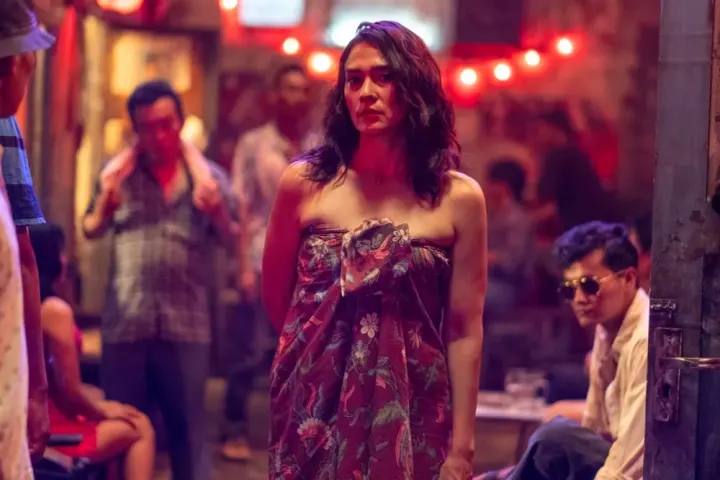
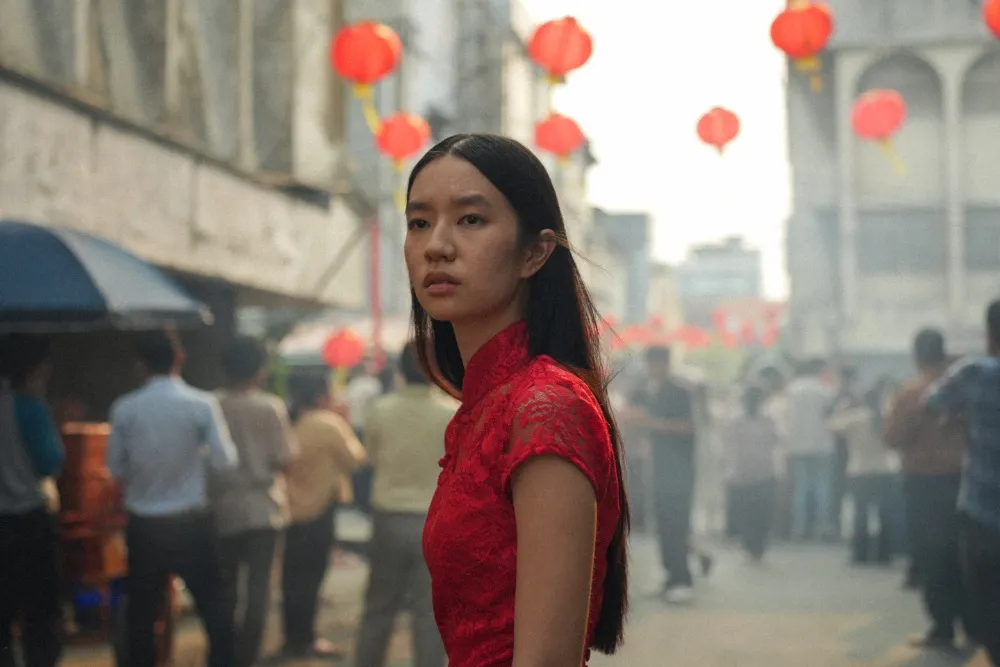
In the released stills, Cheryl holds a microphone at home during a karaoke session, while Oey wears period glasses and attire with a car from the era visible behind him. Latip is featured wearing a red cheongsam amidst traditional New Year lanterns with an expression of unease. The ensemble cast brings together notable talent, including Cheryl who won the best actress Citra Award at the 2002 Indonesian Film Festival for Vengeance Is Mine, All Others Pay Cash, Oey who starred in Ghost in the Cell, and Latip making her feature debut following an appearance in the short The Rootless Bloom.
Development on the project spans many years, having originated at the SGIFF Southeast Asian Film Lab in Singapore in 2015 before traveling through various international labs and pitching forums including EAVE Ties That Bind, the Golden Horse Film Project Promotion, and the Hong Kong-Asia Film Financing Forum. Producer Florence Giovani noted that she and the director spent more than a decade developing the feature, finding regional collaborators who connected deeply with the story of family bonds and the pull of home.
Background on the Historical Context of Chinese Culture in Indonesia
From 1967 to 1998, the Indonesian government enforced tight limitations on how Chinese culture could be expressed in public spaces. During this extended period, New Year festivities, the Chinese language, and various cultural customs survived largely behind closed doors, kept alive quietly within family homes. By the year 2000, these traditional practices began to resurface openly following the formal removal of government restrictions on public cultural displays.
Director Jason Iskandar has emphasized that the removal of legal restrictions did not erase their effects on everyday life. By focusing the narrative on the relationships among three siblings, the film examines how personal lives remain deeply intertwined with broader historical movements. As a Chinese Indonesian, the filmmaker notes a perspective where even deeply personal experiences carry political weight.
Production Team and International Collaboration
The production brings together a diverse team of regional film professionals, including Singaporean cinematographer Teck Siang Lim and production designer Dita Gambiro. To recreate the late 1990s aesthetic accurately, the art department searched for Jakarta locations that retained their authentic appearance from that era. Co-producers on the project include Yulia Evina Bhara of KawanKawan Media, Wanyi Pratiknyo, and Hannan Cinthya of Arungi Films, all of whom bring extensive experience from acclaimed festival circuits in Venice, Cannes, and Sundance.
What Happens Next
The film is currently in post-production under its local title Perayaan Pertama. The team is aiming for a festival premiere in 2027, which will be followed by commercial theatrical releases across cinemas in Indonesia as well as selected international territories. This project follows Jason Iskandar's 2001 debut feature Akhirat: A Love Story, continuing the work of Studio Antelope which was founded by Iskandar and Giovani in 2011.