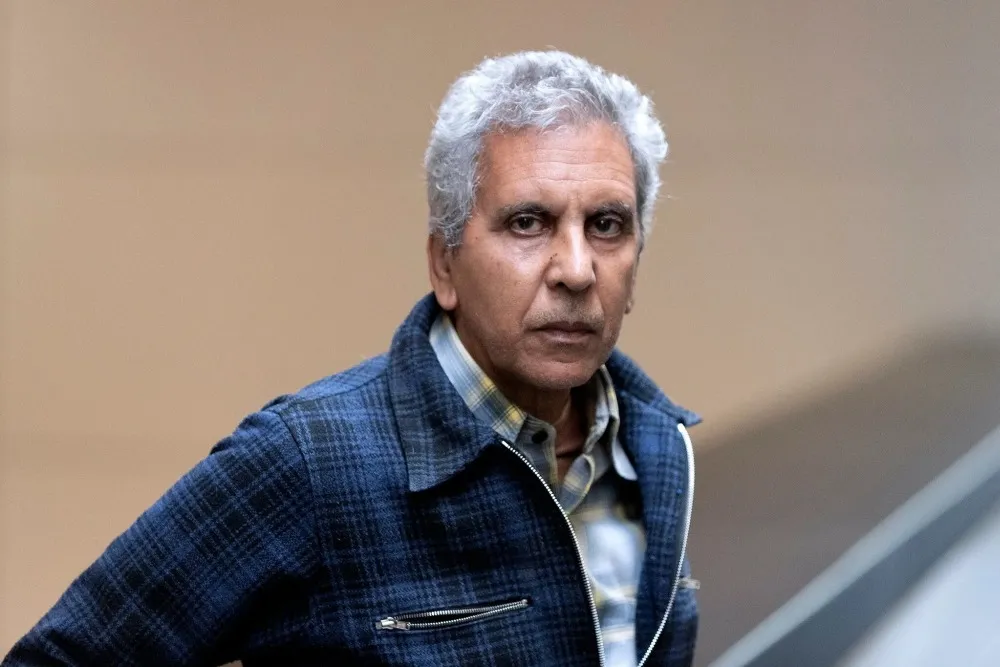
Franco-Algerian filmmaker Rachid Bouchareb is preparing to film his upcoming feature, Reggane, in the remote stretches of the Algerian Sahara. The 2027 production will recreate a French military base from the 1960s, source authentic period vehicles and manage a cast of roughly 2,000 extras. Variety reported that the director is already working through the logistical hurdles that come with shooting a period drama in such an austere environment.
Production Timeline and Scope
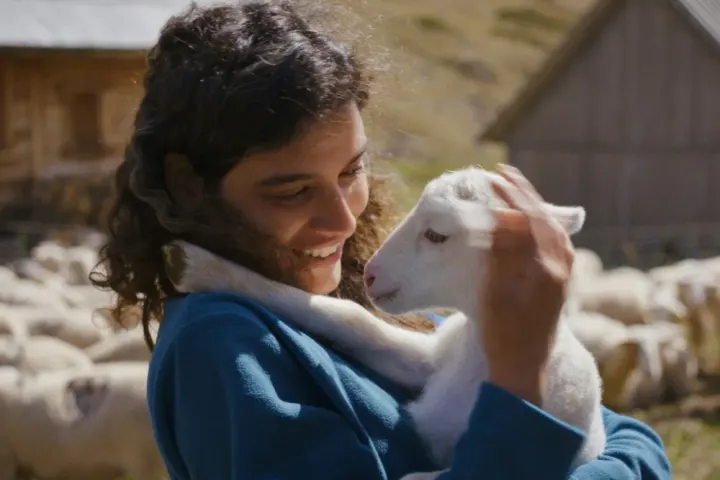
According to Variety, the shoot is due to begin in April 2027. Bouchareb noted that each new project reveals a larger scale, which demands more preparation time. The film is set in 1960, two years before Algeria's independence, and follows an Algerian shepherd who is conscripted onto a French military base after the army requisitions him and his livestock.
Filming Locations Across the Sahara
The production will span a wide area of the Algerian Sahara, from south-central Timimoun to Tamanrasset in the deep south and Djanet in the southeast. Some sites are more than 1,200 miles from the coastal capital of Algiers, adding complexity to the logistical planning required for the shoot.
Recreating a French Military Base
Algerian state-owned companies that specialize in desert construction are collaborating with the film's art department to rebuild the military base. The Algerian army is supplying period vehicles that date back to the final years of French colonial rule.
Cast and Extras
French actor Samir Guesmi, known for District B13, has been attached to the project. Bouchareb is also casting professional Algerian and French actors, as well as nonprofessional performers drawn from local communities. The film will feature a total of 2,000 extras, a number that reflects the scale of the period setting.
Financing and Production Partners
Since the project was first announced to Variety last year, its financing structure has shifted. The feature is now financed entirely by Algerian partners, including the Ministry of Culture and Arts and the Algerian Center for Cinema Development (CADC), a public entity tasked with developing the country's film industry. U.S.–based Cohen Media Group and Japan's Kingyo Films are on board as co-production partners.
Director's Perspective on Financing
"What's most important for me, because I'm not in a hurry, is that I'm reassured that the film will be made. That's one less source of anxiety for a filmmaker," Bouchareb said. "I haven't had to go looking for financing here and there. Everything is secure."
Linking Past Work to Current Project
Bouchareb's research for his documentary short Boomerang Atomic, which revisits France's first atomic bomb detonation in Algeria on February 13, 1960, has influenced his approach to Reggane. He plans to blend fiction with archival footage, juxtaposing official declarations with images of people living in the Sahara. The documentary has already forged connections between communities affected by nuclear testing, including survivors of the Hiroshima bombing and residents of French Polynesia, where France conducted 193 nuclear tests between 1966 and 1996.
In August, the United Nations Institute for Training and Research (UNITAR) presented the documentary in Hiroshima, bringing together film team members, survivors of the atomic bombing and attendees from French Polynesia. Bouchareb described the commemoration as a "really important moment" that linked memories across continents.
Educational and Festival Outreach
With potential school and festival screenings in French Polynesia, Bouchareb is moved by the documentary's reach. "Sometimes we don't know where our films travel," he said. "Having brought these memories together is wonderful."
Previous Works and Influence
Bouchareb recalled a similar experience touring France with his 2006 war drama Days of Glory, which follows North African soldiers fighting for France during World War II. The film allowed viewers to recognize the contributions of their ancestors to the liberation of France and Europe. He noted that half the audience was made up of children of immigrants, who felt a sense of legitimacy and pride.
Establishment of 3B Productions
In 1990, Bouchareb founded his own production company, 3B Productions. He said, "I'm very happy to produce my own films because today I can tackle any subject. I don't think I would have had the career I have today if I hadn't been my own producer. It simply would have been impossible."
Academy Award Submission
"Boomerang Atomic" has been submitted for consideration in the documentary short film category at the 2027 Academy Awards. Bouchareb hopes the Oscar qualification will bring greater attention to this little-known chapter of history. "The Oscar qualification opens up a few more possibilities for the film," he said. "It allows me to talk about it through the press and make it better known."
Potential Collaborations and Distribution
Bouchareb remains open to collaborating on Reggane with Forest Whitaker, who joined Boomerang Atomic as executive producer in October. Whitaker previously starred in Bouchareb's 2014 drama Two Men in Town. Whitaker said, "This important documentary made an indelible impact on me and needs to be seen."
The director is also in discussions with Goodfellas for international distribution of the feature and is particularly keen to reach audiences in France, the U.S. and Japan. Though receptive to streaming platforms giving his films a second life, Bouchareb is adamant about where that life should begin.
"For me, first and foremost, it's the cinema," he said. "The movie theater is something magical."
Background: Rachid Bouchareb
Rachid Bouchareb is a Franco-Algerian filmmaker born in 1969 in Algiers. He has earned three Oscar nominations for his feature films, including the 2006 war drama Days of Glory and the 2014 drama Two Men in Town. His work often explores the complex histories between France and Algeria, and he has received international acclaim for his nuanced storytelling.
Background: The Algerian Sahara
The Algerian Sahara is the largest contiguous desert in Africa, covering roughly 80% of the country's land area. It stretches from the Atlantic coast in the west to the borders with Niger and Mali in the east. The region's harsh climate and remote locations present significant challenges for film production, requiring extensive logistical coordination for transport, accommodation and equipment.
What Happens Next
As the production team finalizes set construction and vehicle acquisition, Bouchareb will begin casting rehearsals in early 2026. The crew will then move to the various filming locations, starting with Timimoun in late spring, before proceeding to Tamanrasset and Djanet. Post-production is expected to begin in early 2028, with a target release in late 2029.
Links to Related Stories
For more on Bouchareb's documentary work, see Director Tala Hadid Explores Moroccan Tbourida Culture in New Film Bardi and Director Stephen Frears Reflects On High Fidelity And Jack Black.