A British beauty influencer known as the Lip King laughed while carrying out a Brazilian butt lift procedure on a mother-of-five who later died, an inquest heard.
Alice Webb, 33, became unwell during the cosmetic procedure performed by Jordan Parke on September 23, 2024, and died in hospital.
The inquest heard Parke gave Alice seven times the recommended amount of filler before she collapsed and went into cardiac arrest.
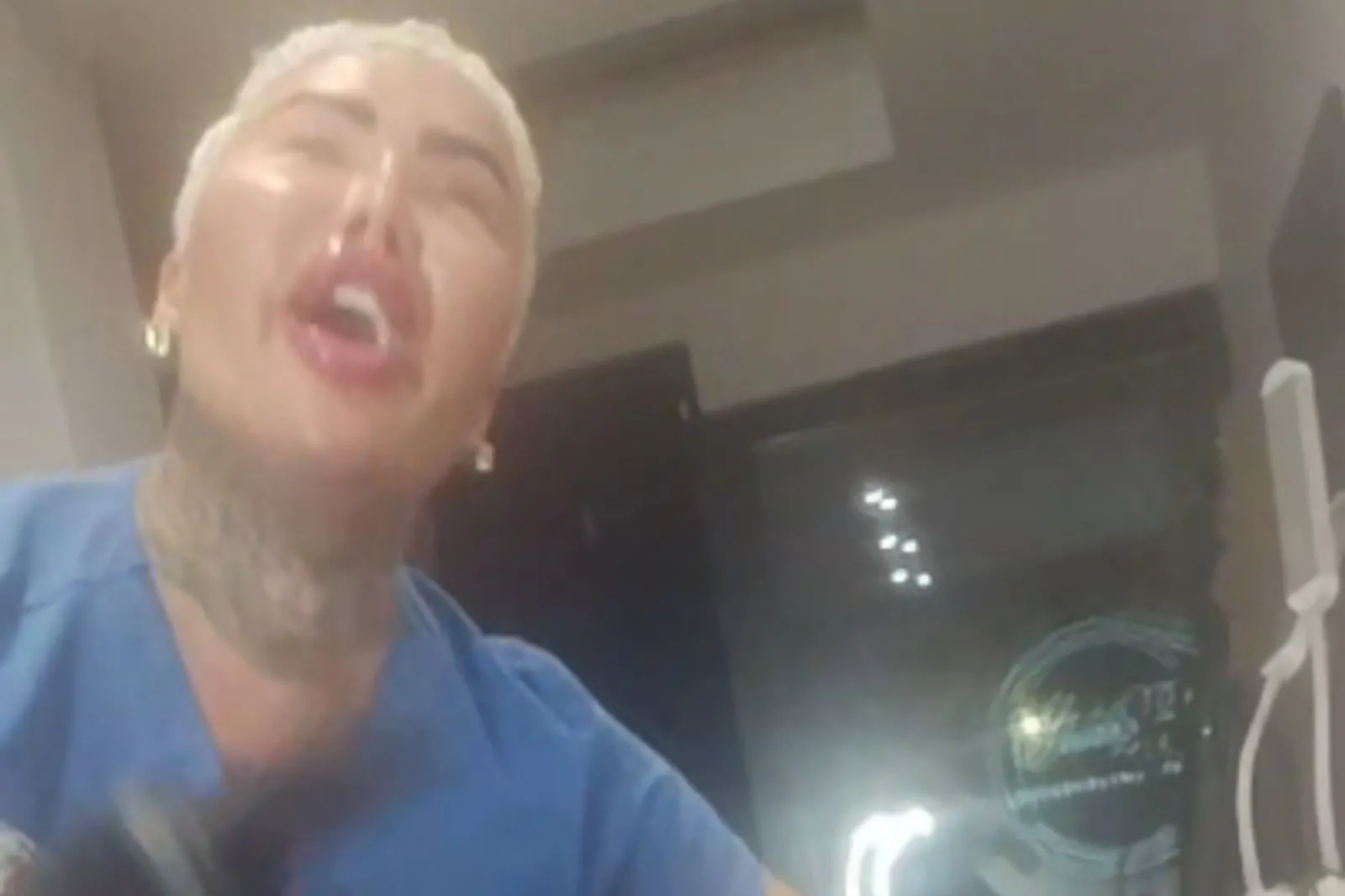
Video Footage Shared at Gloucestershire Coroner's Court
The coroner has now shared footage Alice sent to her sister-in-law Morgan Townsend during the procedure. Parke, 34, can be heard laughing as Alice moans in pain and yelps, ow. The beauty influencer can also be seen posing and pouting at the mum and doing a peace sign.
Gloucestershire Coroner's Court heard he was under investigation for gross negligence manslaughter following Alice's death but died earlier this year. Detective Inspector Adam Stacey, of Gloucestershire Constabulary, said no decision had been made regarding a charge before Parke died. We were confident we had a case, we were confident we had a case of gross negligence manslaughter, he added. We were intending, soon after Jordan passed actually, to re-interview him. Parke had previously answered no comment to all questions in interview.
Travel and Previous Prohibition Notices
The inquest heard he had travelled from his home in Manchester to the Gloucester home of Jemma Pawlyszyn to carry out the BBL. Jemma and Alice had intended to undergo training before the mum received the procedure herself. Parke had previously been issued with prohibition notices preventing him from performing the BBL procedure in Dudley and Salford due to concerns about his practice from environmental officers, it was said.
Asked about any first aid equipment at the premises when Alice underwent the procedure, DI Stacey said, There were some plasters and things like that. But certainly no life-saving equipment. Ms Townsend told the inquest she was shocked by the amount of filler set to be used in the procedure when she was sent a photograph by her sister-in-law. Parke was allegedly giving her 400ml for free and a total of 1,400ml, with the recommended amount being 100ml per buttock.
Emergency Calls and Medical Response
Describing messages she had received from Alice during the procedure, Ms Townsend said she had told her, OMG it kills. Ms Townsend added, She also sent a message to say that she had loads of lidocaine. She sent a selfie of herself on the treatment table and also a video of Jordan doing the treatment to her. The last message I had from Alice was at 8.12pm and it was just one word, painful.
Jurors were played a 999 call made by Parke where he could be heard telling the operator Alice had literally just had the procedure done and was going a bit blue and not breathing correctly. He was instructed by the operator to put the phone on loudspeaker and to carry out chest compressions. Paramedics were told Alice had been given 10ml of lidocaine, a local anaesthetic, and a filler which was a mixture of hyaluronic acid and something else, they didn't know what. One of the medics, Allanah Kingston, told the court both Jemma and Parke appeared unbothered by the situation and didn't appear to understand the urgency. Alice was taken to hospital at 10.41pm, arriving five minutes later, where she suffered further cardiac arrests.
Medical Cause of Death
Home Office forensic pathologist Dr Stephen Leadbetter gave Alice's cause of death as embolisation of hyaluronic acid from introduction into buttocks. Hyaluronic acid was identified in Alice's lungs, brain, heart, thyroid gland and kidney, Dr Leadbetter said. What had entered the circulation here was the hyaluronic acid which was a part of the cosmetic procedure, he told the jury. This could have happened because of damage to a blood vessel during the Brazilian butt lift but he could not identify a specific entry point, he said. All one can say is, this material is in the bloodstream, so it would have had to gain access to that bloodstream, he added. The inquest continues.
Background on Cosmetic Procedures and Regulation
The rise of non-surgical cosmetic treatments across the United Kingdom has brought increased scrutiny from medical professionals and regulatory bodies. Procedures such as dermal fillers and Brazilian butt lifts involve significant anatomical risks when performed outside of clinical environments. Public health officials frequently issue warnings about practitioners lacking formal medical training who offer high-volume filler injections in residential properties.
Regulatory bodies in the United Kingdom work to monitor practitioners who offer invasive aesthetic treatments without proper licensing or emergency medical equipment. Local authorities have powers to issue prohibition notices to halt unsafe practices when environmental health officers identify serious risks. Despite these measures, online promotion of cosmetic enhancements continues to attract clients seeking budget procedures.
Understanding Hyaluronic Acid Embolisation
Hyaluronic acid is a substance commonly used in dermal fillers to add volume and contour to various parts of the body. When administered incorrectly or injected directly into blood vessels, the material can enter the circulatory system and travel to vital organs. This complication, known as an embolism, can block blood flow to the lungs, brain, or heart and lead to life-threatening emergencies.
Medical experts emphasize that emergency resuscitation equipment and trained medical staff are essential during any procedure involving large volumes of injectables. Without immediate access to oxygen, cardiac life support, and reversal agents, patients experiencing systemic complications face severe risks. Pathologists examine tissue samples during post-mortem examinations to trace the movement of filler materials through the vascular network.
Role of Emergency Services in Aesthetic Incidents
Emergency medical dispatchers provide critical instructions to callers reporting sudden medical distress following cosmetic procedures. Operators guide untrained individuals through life-saving interventions such as cardiopulmonary resuscitation while ambulances travel to the scene. Paramedics assess the patient's immediate vital signs and relay clinical details to receiving hospital emergency departments.
Hospital trauma teams handle severe cases of systemic toxicity or vascular occlusion by providing advanced life support and intensive care interventions. When fatalities occur following unregulated or poorly managed procedures, police forces and coroners conduct thorough investigations to establish the timeline of events. Inquests examine witness testimony, expert medical reports, and digital evidence to determine the exact circumstances surrounding the death.