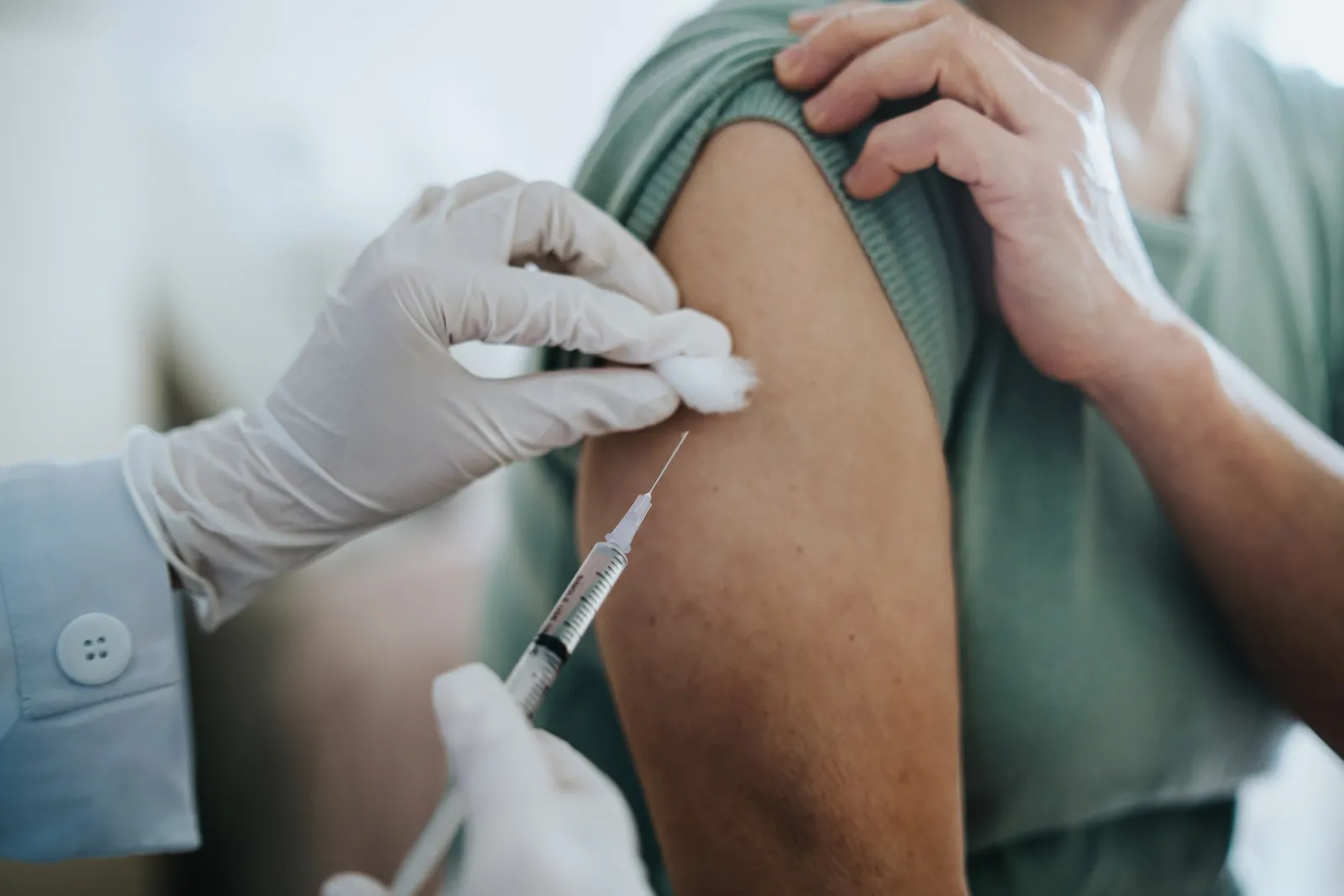
Millions of people in the UK are failing to receive a vital NHS jab protecting against a forgotten winter virus, health experts have cautioned. Respiratory Syncytial Virus triggers standard coughs and colds for most individuals, yet it remains potentially fatal for elderly residents and newborn babies.
Understanding The Risks Of Respiratory Syncytial Virus
Spread primarily through coughs and sneezes, the infection sends thousands of older adults and young children to UK hospitals annually due to severe lung infections and pneumonia. Experts note that Respiratory Syncytial Virus proves every bit as dangerous as influenza, though individuals frequently mistake the condition for a simple winter bug.
Before the introduction of the immunization in September 2024, the pathogen contributed to approximately 8,000 adult deaths each year by placing extreme strain on patients hearts and causing organ failure. However, a major study conducted last year by the UK Health Security Agency involving adults aged 75 to 79 revealed that the shot achieved 82.3 per cent effectiveness in preventing related hospital admissions.
Current Eligibility For The NHS Immunisation
Eligibility for the health service immunization now extends to all individuals aged 75 and over, care home residents, and adults aged 65 to 74 who live with suppressed immune systems or chronic respiratory conditions like bronchitis and chronic asthma. Pregnant women also qualify for the shot to shield newborns from severe complications. Recent data released earlier this month covering September 1, 2024, to September 30, 2026, indicates that only 62.8 per cent of eligible older adults have received the dose so far.
Regional uptake varied widely across the country, reaching 67.5 per cent in the South West while dropping to 48.8 per cent in London. Unlike flu and Covid inoculations, a single dose of the treatment provides protection lasting several years.
Rising Infection Rates And Hospital Admissions
Official data indicates that virus rates nearly doubled over a single week, with positive tests climbing from 3.2 per cent to 5.2 per cent. Weekly hospital admission rates for the pathogen increased to 1.66 per 100,000 patients, compared to 1.29 per 100,000 during the previous week.
NHS National Medical Director Professor Frankie Swords stated that the condition causes severe lung infections leading to hospitalisation for vulnerable populations. People who qualify and remain unvaccinated should contact their local GP practice or visit selected pharmacies to arrange an appointment.
Symptoms To Watch For
Infected individuals typically display symptoms four to six days after exposure, which include a runny nose, decreased appetite, coughing, sneezing, fever, and wheezing. Symptoms in young infants can be more subtle, featuring irritability, reduced activity, and breathing difficulties. Parents should monitor babies for signs such as a refusal to feed, rapid breathing, and dehydration indicators like dry nappies.