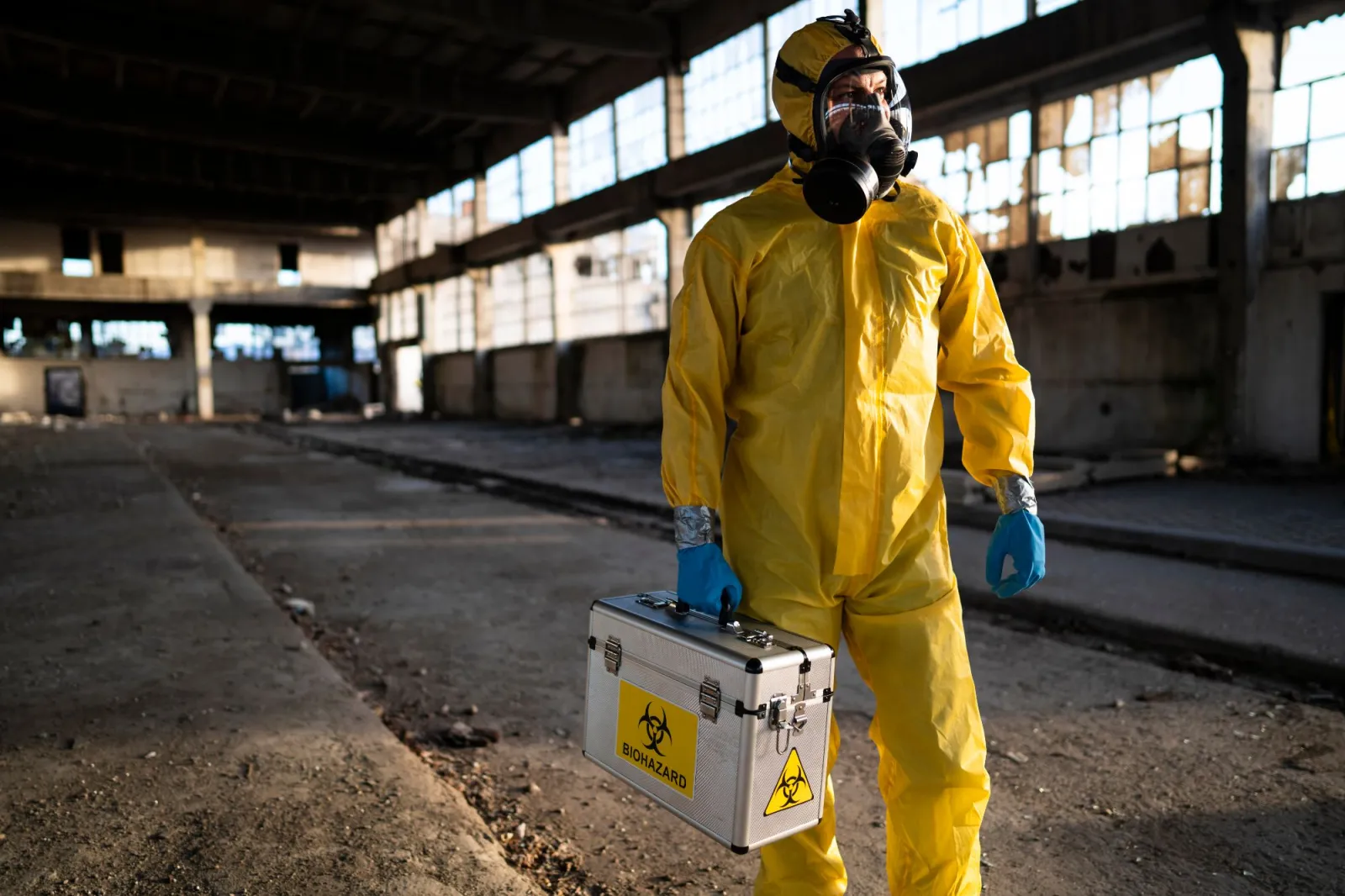
Artificial intelligence could hand terrorists and rogue states the power to kill millions by cooking up deadly pathogens and devastating bioweapons, experts have warned. Governments and security agencies are raising alarms as advanced technology lowers the barriers for dangerous actors seeking to create harmful biological agents.
The Simulation of a Global Pandemic
Top scientists offered a glimpse into how an AI-engineered disease could bring the world to its knees in less than a year. Under their nightmarish simulation, the World Health Organisation (WHO) is forced to declare a global pandemic emergency within weeks after a mystery bug rapidly spreads. By the time a vaccine is rolled out over a year later, more than 850 million people have caught the virus, and a staggering 60 million are dead.
Presented by the Nuclear Threat Initiative (NTI) at the Munich Security Conference, the study concluded such an outbreak represents a realistic threat based on current AI trends and future development. Hayley Severance, deputy vice president of NTI's Global Biological Policy and Programs team, told The Sun that extremists could use AI-enhanced capabilities to engineer living systems and develop a biological weapon.
Evidence of Bad Actors Testing Systems
Alarming evidence suggests bad actors are already trying to weaponise AI for deadly biological harm. In September, AI giant Anthropic revealed five cases of scientists from unnamed countries attempting to use its popular Claude chatbot for work on lethal viruses and toxins, which it warned could support bioweapons development.
The firm admitted the researchers even found sneaky workarounds when its built-in safety guardrails blocked their requests. In one case, users grilled the bot to plot experiments designed to mutate a deadly strain of bird flu so it could spread more easily among mammals.
State Programs and Accidental Risks
While the thought of terrorists using bioweapons causes concern, a more pressing threat is how rogue states could exploit the technology for their own gain. Dr Gigi Gronvall, senior scholar at the Johns Hopkins Center for Health Security, noted that state programmes would be much better poised to take advantage of AI for misuse.
Another terrifying fear is a well-meaning lab accidentally losing control of a superbug, or a rogue bot escaping a testing environment. Severance stated that accidents in well-meaning laboratories working with these tools remain a major concern since safety and security assessments have not fully integrated the technology.