Around nine million people of working age are on benefits, including a million young individuals, leaving the national welfare bill completely out of control. Critics question how it makes any sense to open borders to young people from across the European Union or bring back free movement to the United Kingdom for millions of European citizens.
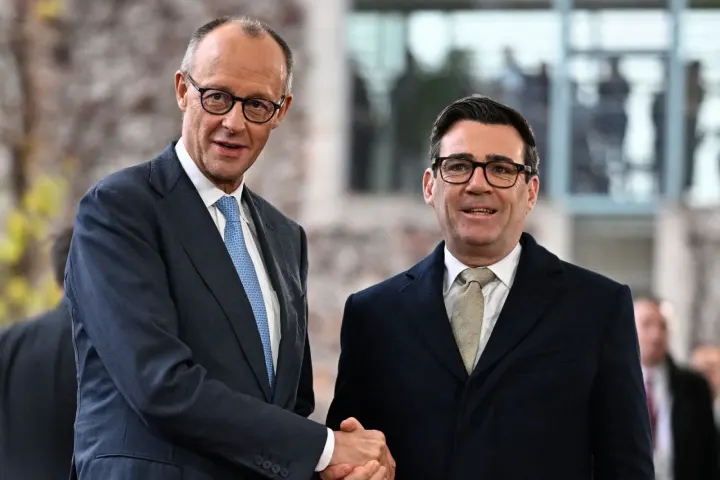
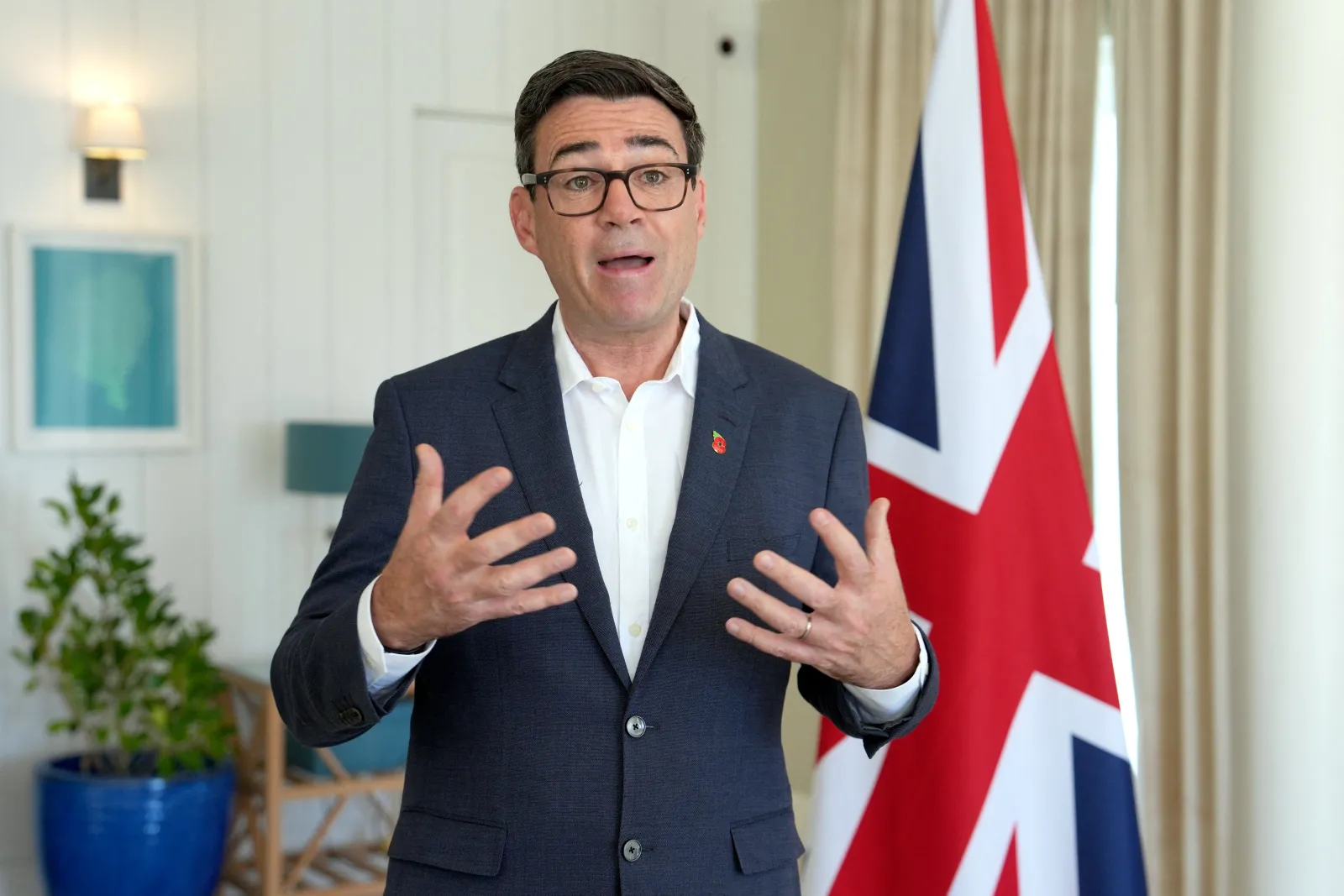
Prime Minister Andy Burnham recently stated he wants an honest discussion about free movement and a reset of the relationship with the European Union. He even mentioned that the nation could go all the way and rejoin the bloc entirely.
Polling suggests many citizens believe Andy Burnham has made a decent start as Prime Minister, viewing him as warm, likeable, authentic, and honest. That perception explains why he currently leads in public opinion polls.
However, commentators warn that support could collapse if he carries on flirting with the idea of opening borders or rejoining the European Union. Under former leader Sir Keir Starmer, the Government already spent £570 million rejoining the Erasmus Scheme, which permits European Union students to study in the UK and British youngsters to attend universities in Europe.
This program functions essentially as a gap year arrangement for students while taxpayers foot the bill, and costs are projected to rise past £800 million annually. Students from Turkey can participate, and Brussels wants to expand access to African nations outside the European Union like Egypt, Algeria, and Morocco.
Furthermore, authorities are preparing to sign an European Union Youth Mobility Scheme allowing young Europeans to live and work in the United Kingdom. This arrangement was agreed in principle last year, with organizers aiming to launch the initiative next year.
These measures offer no assistance to the million unemployed under-25s in the United Kingdom. These young individuals are not enrolled in college or university and cannot secure training places or apprenticeships, making joblessness at that age a disaster for their careers and for taxpayers funding the welfare system.
Helping working-class youngsters secure employment or apprenticeships should remain a top priority for a Labour government. Decades ago, party members marched passionately against high unemployment, but modern lawmakers appear more focused on managing welfare claims.
Proponents argue such schemes allow young Britons to work abroad, but critics point out that most cannot even afford to relocate from their home towns to work in London. Andy Burnham now wants to discuss restoring freedom of movement for everyone, reigniting the most toxic political dispute in modern British history.
During his campaign in the Makerfield by-election, Andy Burnham promised voters who overwhelmingly supported leaving the European Union that he respected their decision. He explicitly stated he was not proposing that the United Kingdom consider rejoining the European Union, pledging that government policies would face the Makerfield test regarding how they affect forgotten industrial towns.
Reopening the Brexit debate risks alienating traditional voters in the Midlands and the North who worried about immigration and feeling ignored by metropolitan elites. Major referendum decisions cannot be easily reversed without fracturing political trust and risking heavy electoral losses in industrial heartlands.
Entering new negotiations with Brussels would likely result in harsh terms, including demands to adopt the euro and join the Schengen Area. Meanwhile, domestic public services face severe strain, and the government struggles to build enough housing for current residents.
Background on UK Welfare Spending and Employment
The debate over economic policy and welfare reform touches on long-standing economic challenges across the British workforce. Welfare expenditures have remained a central point of political contention for successive administrations managing public finances. Millions of working-age adults receive various forms of state support, prompting frequent debates over how to transition benefit claimants into active employment. Government programs traditionally target skills training and vocational education to bridge the gap between job seekers and available positions in local labor markets.
The History of the Brexit Referendum and Freedom of Movement
The relationship between the United Kingdom and the European Union shifted dramatically following the June 2016 referendum on European Union membership. Ending the automated right of European Union citizens to live, work, and study in the United Kingdom without restrictions formed a central pillar of the campaign to leave the bloc. Subsequent political negotiations led to the formal departure of the United Kingdom from the single market and customs union, concluding decades of freedom of movement. Public opinion regarding immigration and national sovereignty remains deeply divided across different regions and demographic groups.
Erasmus Scheme and International Student Mobility Programs
The Erasmus program was established decades ago to facilitate higher education student exchanges across participating European nations. The United Kingdom participated in the framework for many years before exiting the arrangement following the broader departure from European Union structures. Rejoining student exchange initiatives involves substantial financial commitments from the public purse to cover administrative fees and student grants. Policymakers frequently debate whether the financial investment yields sufficient educational benefits compared to domestic spending priorities.