A retired policeman who was the victim of a violent road rage attack was forced to bring the thug to justice himself after the police dropped his case. Peter Power, 75, was left bloodied and in need of hospital treatment after he was punched by a furious driver for sticking to the 40mph speed limit on a country road. Despite dashcam footage of the assault it took police a fortnight to appoint an officer and they later dropped charges claiming it was a case of one person's word against another's.
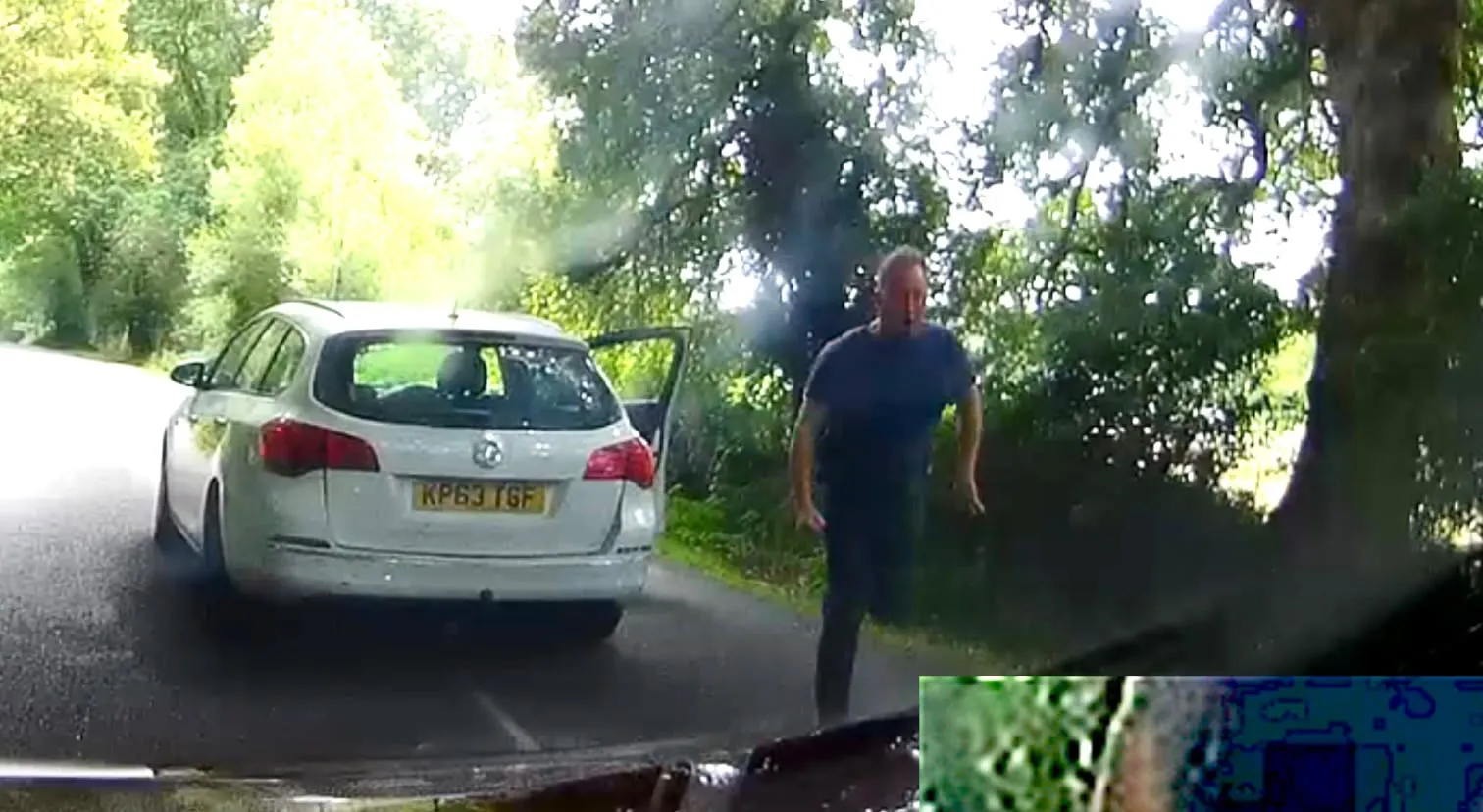
Peter who spent 22 years working for the Met Police said officers had "lost the plot" on crime fighting and he was left to bring his attacker to justice. Anthony Goodchild, 58, tailgated the retired magistrate down a road in the New Forest in July 2024 before overtaking on a bend and stopping in front of him. Footage then showed Goodchild storm over to Peter's Toyota RAV4 before punching the 75-year-old in the head five times with "very strong blows".
Details of the Assault and Initial Police Response
At one point, Peter told his attacker he was a magistrate but that only led him to hit him harder, a court heard. Peter said, "He was leaning in and repeatedly hit me about the head. I could feel and taste blood. He then got back into his car but before he did so he kicked my car at least once to the off-side front area. I had never seen him before in my life. I did nothing. I was driving along the road in the way I have been taught to drive and I don't understand why he did it." Peter called the emergency services and passed on Goodchild's location and car details but Hampshire Police only gave a crime reference number.
He then called the force from hospital while he was being treated for a bruised eye and cut lip and was asked to complete a customer feedback survey. The police asked him to rate how he felt officers were performing in his case, even though no action had been taken. Peter was then left to give his own witness statement and provide dashcam footage with injury and damage images. Two weeks later an officer was assigned to lead the investigation but Goodchild was not interviewed for a further two months.
Investigation Deadlock and Dismissal of Charges
During the interview Goodchild gave such a "compelling account" of the incident and denied punching Peter or causing damage to his car that he was let go without a charge, Hampshire Police told Peter. Peter said, "I thought before the day was out they would be knocking on [Goodchild's] door and he would be arrested, as would've happened in the old days." He added, "But the police are so burdened now I feel they have fundamentally lost the plot. I was left with the impression they were more interested in getting an opinion on their performance than actually fulfilling their objectives."
The ex-magistrate said he had sat on panels which had convicted on less evidence than he provided. He said, "There was dashcam footage, photos of my injuries and an independent assessment of the damage." Peter complained to Donna Jones, Hampshire's police and crime commissioner, and appealed through the victim's right to review scheme. He added, "I tried everything to make the job easier for the police." Peter continued, "I was concerned... for the need to protect other motorists on what is a fairly lonely road from a man who had exhibited unprovoked violence. I'd be surprised if he hasn't done this to someone else."
Court Verdict and Arrest Warrant Issued
The case came before magistrates in Weymouth, Dorset, last week, and Goodchild was found guilty of assault by beating and attempted criminal damage, more than two years after the attack. He failed to attend the hearing and a warrant has been issued for his arrest. Peter said the conviction has not left him with any closure and he still faces a £900 repair bill for his RAV4. He added, "Having now experienced this I can fully understand the frustration felt by victims of crime. It's left a taste of significant disappointment in the police." Hampshire Police have been approached for comment.
Background on UK Policing and Road Safety Standards
The incident highlights ongoing debates surrounding police response times and investigative thoroughness across United Kingdom law enforcement agencies. Modern British policing operates under strict resource constraints, leading to public scrutiny regarding how forces prioritize crimes involving vehicular altercations and property damage. Dashcam adoption has surged among motorists navigating British highways, providing crucial digital evidence that frequently bridges gaps when traditional eyewitness testimony is sparse or contradictory.
Magistrates in the English legal system traditionally volunteer their time to adjudicate summary offenses and minor criminal matters in local courts, bringing professional acumen from various civilian backgrounds. The judicial framework relies on comprehensive evidence gathering, including independent medical reports and vehicular damage assessments, to establish liability beyond reasonable doubt during trials. Victims of crime retaining specialized knowledge of investigative protocols often navigate bureaucratic hurdles by using statutory review mechanisms designed to challenge initial police decisions.
Understanding Road Rage Dynamics and Legal Recourse
Road rage incidents encompass aggressive or hostile behavior exhibited by motorists, often triggered by perceived traffic violations, slow driving, or frustrations related to congestion. Research from traffic safety organizations indicates that maintaining posted speed limits and practicing defensive driving techniques occasionally provokes aggressive responses from impatient drivers behind them. Legal statutes categorize physical assaults stemming from traffic disputes under offenses against the person, carrying potential custodial sentences depending on the severity of injuries sustained by the victim.
Police and Crime Commissioners oversee local police force performance, manage budgets, and provide an official avenue for public complaints regarding inadequate investigations or service delivery failures. The victim's right to review scheme allows complainants to request a formal re-evaluation of cases where local forces decide against pursuing criminal charges, ensuring greater accountability within the investigative process. Criminal proceedings in magistrates courts handle the vast majority of summary offenses in England and Wales, operating independently of police charging decisions once private prosecutions or formal appeals successfully challenge initial dismissals.