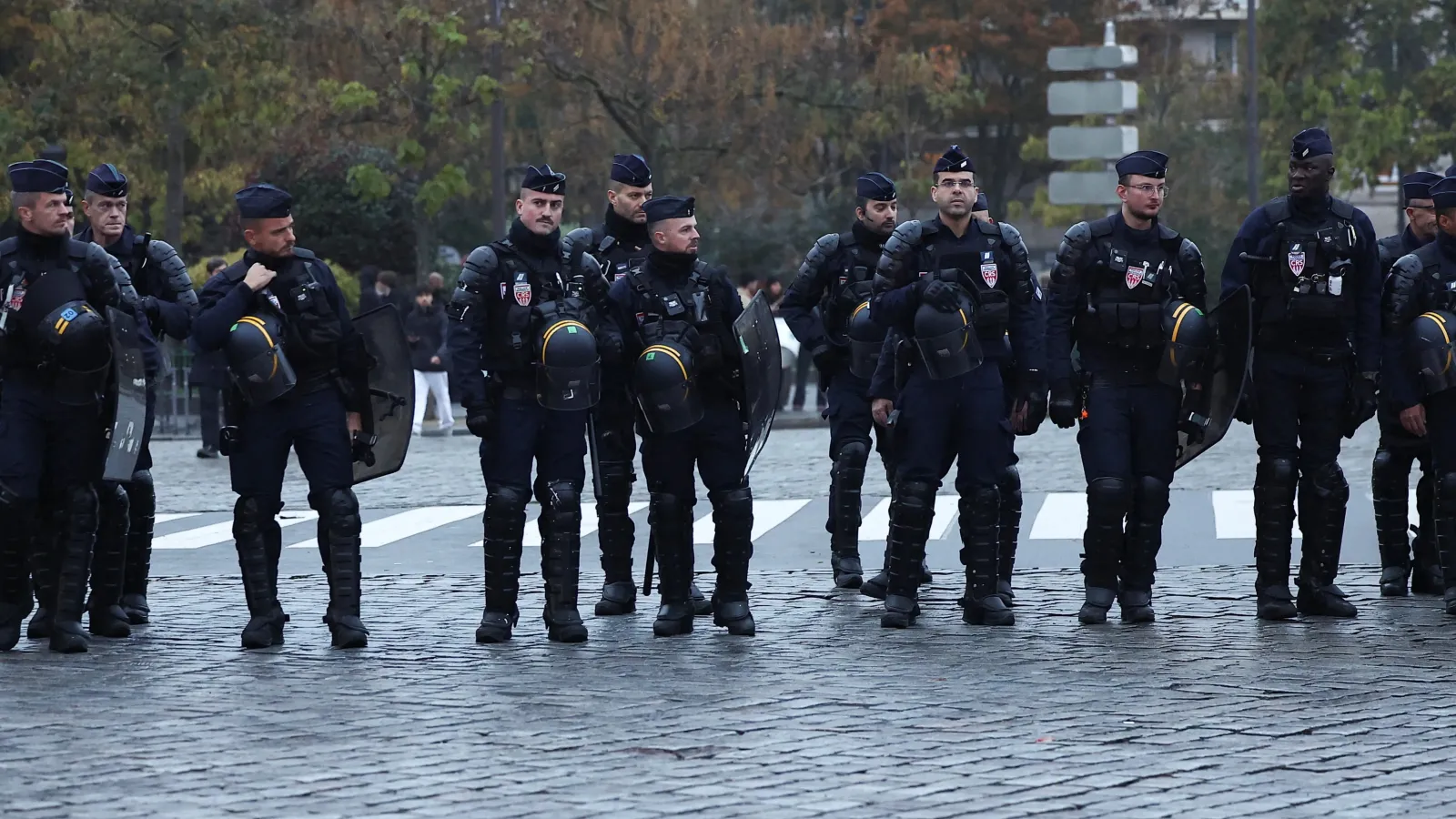
Europe is on edge as France deploys a ring of steel that will include 70,000 armed officers for a fifth round of protests scheduled for Saturday. The move comes after a surge of violence that began as peaceful demonstrations over school conditions and has spread across the continent.
France Mobilises 70,000 Police for Fifth Protest Wave
On Saturday, French authorities will mobilise 70,000 officers, many of them armed, to confront a broad coalition of protest groups. The decision follows weeks of unrest that began with the Yellow Vests movement, which has now marched in nearly 60 cities nationwide. The group demands better working conditions and has joined forces with other factions, including the child-rights collective "License to Kill."
"License to Kill will lead the labour and school unions," a spokesperson for the organisation said. Authorities warn that the weekend's plans could turn into carnage, echoing scenes from the past weeks where hundreds of thousands turned out and violence erupted. French police have prepared for the worst, citing the potential for riots to mirror last month's high-profile clashes.
Italy Prepares for Road-Safety Protests After Child's Death
Italian officials are bracing for protests in over 30 cities. The demonstrations were sparked on September 22 when seven-year-old Nicolo was fatally struck by a car while cycling to school. The incident ignited a national outcry that has seen hundreds participate in daily cycling protests for more than a month.
On November 14 and 15, Italians will take to the streets under the banner of the Italian Fair Mobility Network (RIME). The movement demands reforms to the Highway Code to improve safety, as well as broader issues such as wages and living standards. Other groups, including those advocating for better pay and student rights, have called for nationwide strikes and collective action.
Portugal Faces Housing-Cost Protests Amid Rising Rent
Portugal is set to experience another wave of housing protests. The demonstrations mirror those in Spain, where renters have taken to the streets for weeks following the eviction of Maricarmen, an elderly person who refused to pay a steep price increase. Spain's protests escalated into a 24-hour nationwide strike on Wednesday, with footage showing projectiles hurled at riot police as authorities tried to restore order.
Germany Anticipates Gen-Z Uprising on November 20
Germany is preparing for a Gen-Z march scheduled for November 20. Young activists are demanding better education, social justice, and an end to conscription. The last time Gen-Z groups took to the streets was on October 31, when a spokesperson for the "GenZ regelt" group claimed 100,000 participants. The protests originally slated for November 14 were postponed, reflecting the growing tension across the continent.
Continued Violence Across Europe
Heavy mobilisation began in France but has spread to several other countries. Rioters have set fires to shops, burned barricades, and launched fireworks at police. The violence has prompted European leaders to warn that the unrest could intensify if the underlying grievances remain unaddressed.
Calls for Wider Participation from Britain
Earlier this month, a British student named Lola-Fleur Whittaker, 23, encouraged youngsters to join the protests, saying, "The sooner the better." She urged people to take to the streets despite the violence gripping France, hoping the movement would spread to Britain.
Background: The Rise of Protest Movements in Europe
The Yellow Vests movement began in November 2018 as a response to fuel tax hikes but quickly evolved into a broader protest against social inequality. Over the years, it has become a symbol of grassroots discontent, with demonstrations occurring in cities across France and beyond. The movement's focus on working conditions and economic justice has attracted a diverse coalition of supporters, from labour unions to environmental groups.
In Italy, the death of Nicolo sparked a nationwide conversation about road safety and child protection. The Italian Fair Mobility Network (RIME) has been active since 2019, advocating for safer roads and better traffic regulations. Their campaigns often involve bike rides, marches, and public awareness events.
Portugal's housing crisis has deepened in recent years, with rent prices rising faster than wages. The government has struggled to regulate the market, leading to frequent evictions and protests by tenants. The country's housing protests are part of a larger European trend of renters demanding stronger protections and affordable housing policies.
Germany's Gen-Z movement reflects a generational shift in political engagement. Young people in Germany have long been active in student protests and environmental campaigns. The current focus on education reform, social justice, and conscription reflects broader concerns about the country's future and its role in global politics.
What Happens Next?
European authorities are increasing police presence across multiple cities to deter violence. The French government has deployed additional resources to maintain public order, while Italian and Portuguese officials are coordinating with local police to manage demonstrations. In Germany, security forces are on standby as the Gen-Z march approaches.
These developments underscore the need for comprehensive policy responses to address the underlying causes of unrest. While law enforcement will play a key role in maintaining safety, long-term solutions will require dialogue between governments, civil society, and affected communities.
- France: 70,000 police for fifth protest wave.
- Italy: Road-safety protests on November 14-15 under RIME.
- Portugal: Housing-cost protests echo Spain's rent crisis.
- Germany: Gen-Z march planned for November 20.
- Continued violence across Europe, with protests turning violent in several cities.
For further details on the protests in France and Germany, see Europe Faces Mass-Casualty Threat as MP Warns of Russian Sabotage and Putin Says Russia Is Ready for War with Europe, Cites No Winners.