Next July marks the 1,100th anniversary of England under its first true monarch, King Æthelstan, though preparations remain modest compared to events in other nations. While the United States celebrated its 250th birthday this summer with massive fireworks and star-studded block parties, the English milestone has seen no official holiday announcements yet. Following a four-year campaign driven by politicians and researchers, the Government recently promised to arrange a fitting tribute.
Overlooking King Aethelstan
The Anglo-Saxon ruler remains largely unfamiliar to the general public despite his historic role in uniting the territory. Figures such as Alfred the Great and the French invader William the Conqueror typically dominate public awareness. The Bayeux Tapestry currently draws crowds at the British Museum, depicting William defeating King Harold at the Battle Of Hastings. Next year will feature events across England for the European Year Of The Normans to mark the birth of the Conqueror.
Historian Tom Holland criticized the focus on foreign invasions during an interview with The Sun, calling it absurd to celebrate Norman history over the founding of the nation. He stated, I cannot imagine America or France beginning their national story with a massive defeat, comparing it to the US commemorating the Vietnam War. Holland has actively supported efforts to bring attention to Æthelstan, whom he describes as one of the primary founding fathers of the country.
The Founding Of England
Born around 894 as the grandson of Alfred the Great, Æthelstan received his crown on September 4, 925, at Kingston upon Thames in South West London. He expelled the Vikings from York to become the first ruler of the entire English territory. A royal summit at Eamont Bridge near Penrith in Cumbria took place on July 12, 927, which Holland identifies as the actual birthday of the country. During this gathering, Scottish and Welsh leaders pledged loyalty to his authority, allowing him to use the title Rex totius Britanniae on coinage.
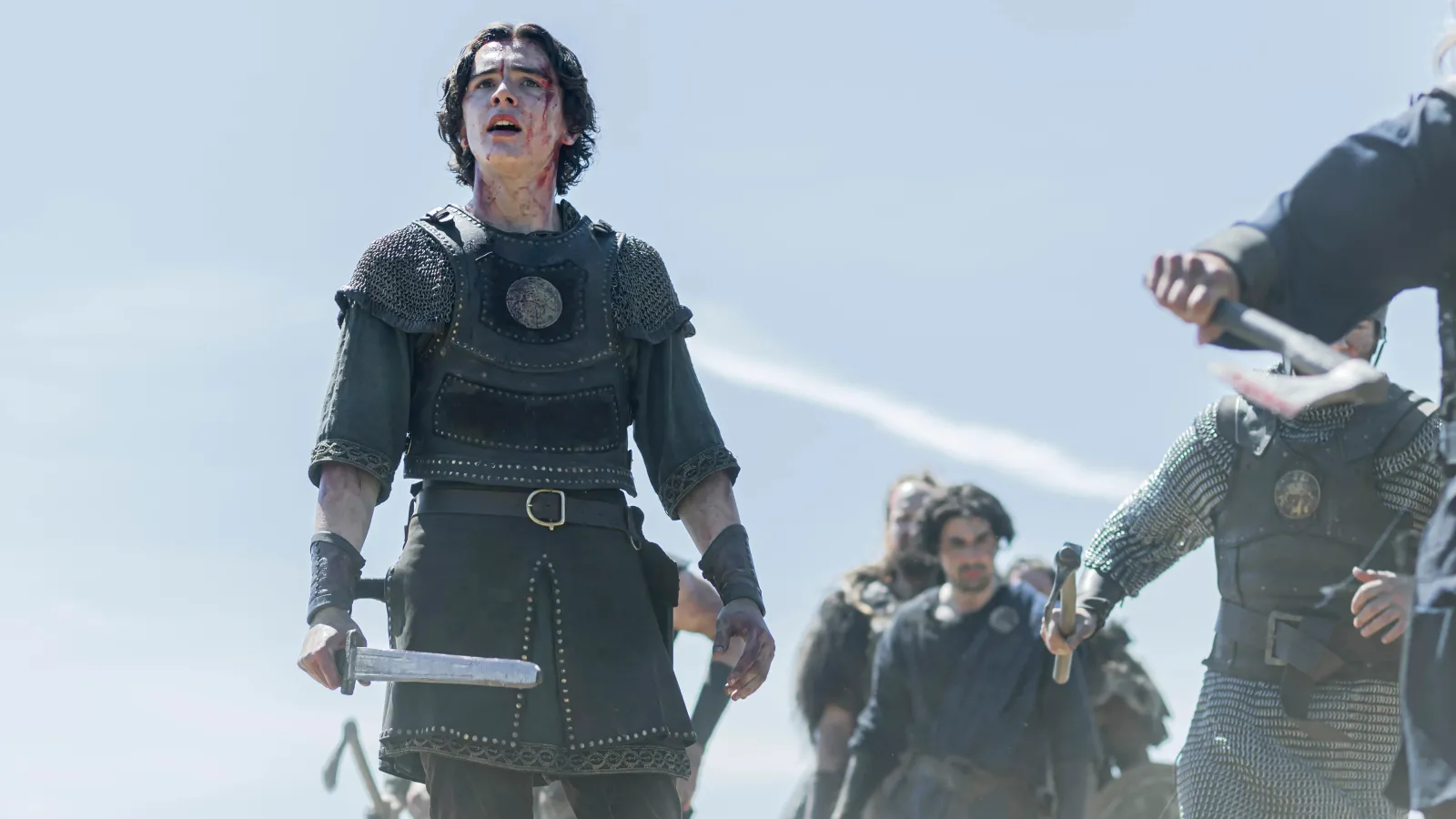
The ruler subsequently defended his realm at the bloody Battle Of Brunanburh in 937 against combined forces from Scotland and Dublin. Beyond his military campaigns, Æthelstan established extensive legal codes, raised the minimum age for capital punishment to 15, and standardized silver coinage. He passed away in 939 at approximately 45 years of age, after which his half-brother briefly held the throne.
Campaign For Official Recognition
Amateur historian Derek Hilling founded the Birth Of England Project and has long advocated for an official bank holiday to mark the anniversary. Hilling organized a local celebration in Penrith featuring costumed re-enactments and traditional mead. Liberal Democrat leader Sir Ed Davey and various parliamentarians have previously pushed for official recognition of the date. Although the Government initially rejected proposals due to economic costs, Culture Secretary Lisa Nandy stated last week that officials will coordinate a commemoration following inquiries from Conservative politician Rebecca Paul.