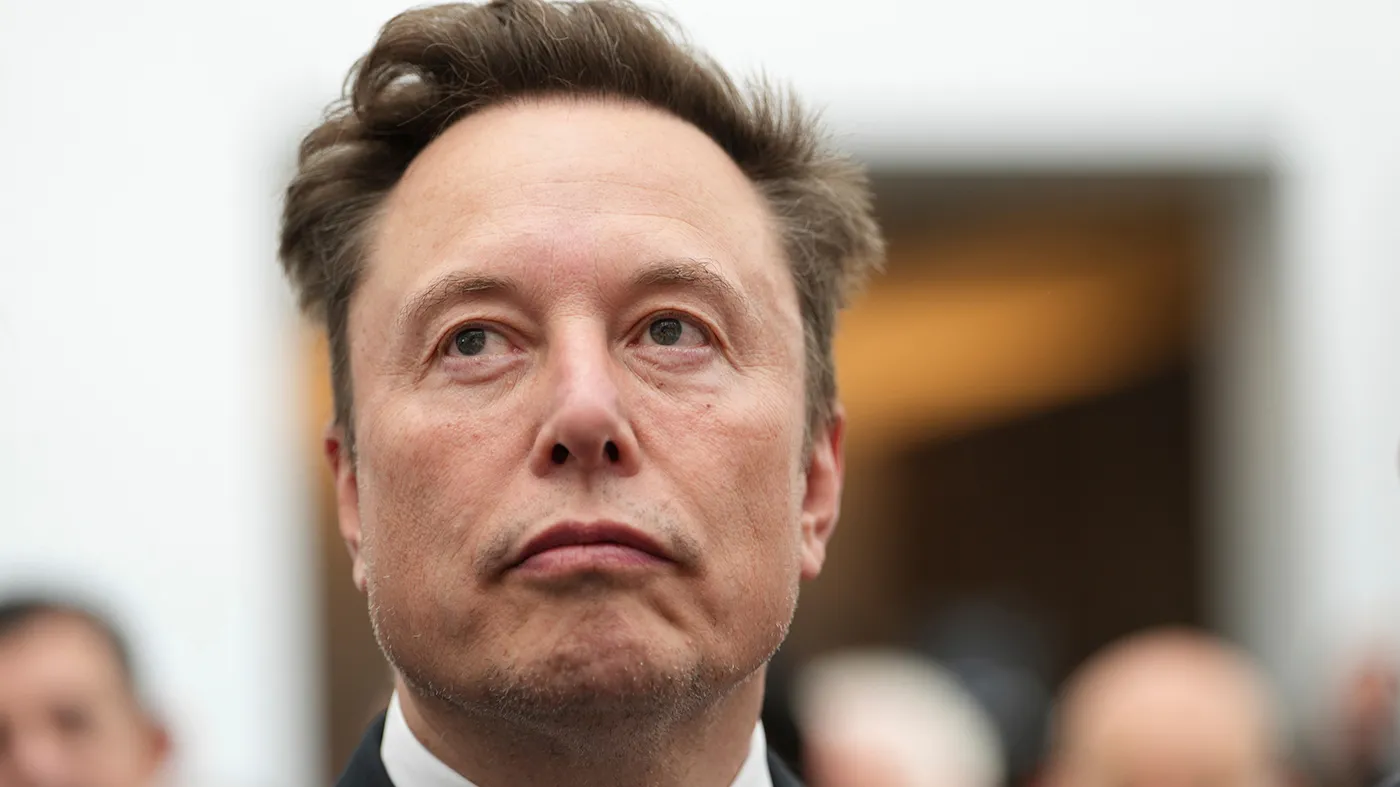
Elon Musk poured millions of dollars into boosting Republicans in the midterm elections, but the tech mogul's vast wealth was no match for the blue wave that battered the GOP on Tuesday night.
Despite spending more than $442 million this cycle, a massive sum that eclipsed his support for President Trump in the 2024 election, Republicans lost ground across the country, even in territory considered relatively safe for the party.
The Grand Old Party drubbing underscored the limits of the world's richest man in shaping the political map and raises questions about how his business empire will fare under Democratic leaders in his home base of Texas and on Capitol Hill.
Reactions To Political Spending Limits
Other than the Republicans, Elon Musk is probably the biggest loser of last Tuesday, according to Cayce Myers, a Virginia Tech public relations professor who has focused on political campaigns.
Elon Musk pumped hundreds of millions into the 2024 presidential race and became a major figure in Trump's second term, even leading the cost-saving crackdown that led to sweeping cuts and layoffs in the federal government.
But after pouring millions into a Wisconsin race that didn't pay off last year, Elon Musk said he would scale back spending.
Campaign Financing And Election Outcomes
That pledge did not hold for long, and Elon Musk started midterm spending in late 2025, becoming the top donor by a mile by Election Day.
You have to have money to be competitive, no question, Cayce Myers added, but money cannot guarantee outcome.
Background On Political Campaign Financing In Modern Elections
Modern American political campaigns require vast sums of capital to run television advertisements, digital outreach campaigns, and ground operations across multiple states. Major donors and political action committees regularly inject hundreds of millions of dollars into competitive races to sway voters and influence legislative majorities in Washington. Federal election laws govern how political committees raise and spend these funds, though various judicial rulings over the years have shaped the extent to which wealthy individuals can contribute directly or through independent expenditure groups.
The Role Of Billionaires In Congressional And Presidential Contests
Billionaire participation in United States elections has grown substantially over recent election cycles, with high-profile tech executives, financial tycoons, and industrialists taking active roles in partisan politics. Beyond direct financial contributions to candidates and political parties, these figures often build external advocacy networks, fund ballot measures, and engage in public messaging via social media platforms they own or frequent. Political analysts frequently debate the effectiveness of such heavy financial investments compared to traditional grassroots organizing and broader voter sentiment during election cycles.
Midterm Elections And Legislative Power Shifts
Midterm elections in the United States occur midway through a presidential term, traditionally serving as a referendum on the sitting administration and the party holding the majority in Congress. Voters decide all seats in the House of Representatives and roughly one-third of the Senate seats, alongside numerous state gubernatorial races and local ballot initiatives. Shifts in legislative control can fundamentally alter the political landscape, impacting policy debates on taxation, regulatory oversight, technology governance, and federal spending priorities for the remainder of the presidential term.