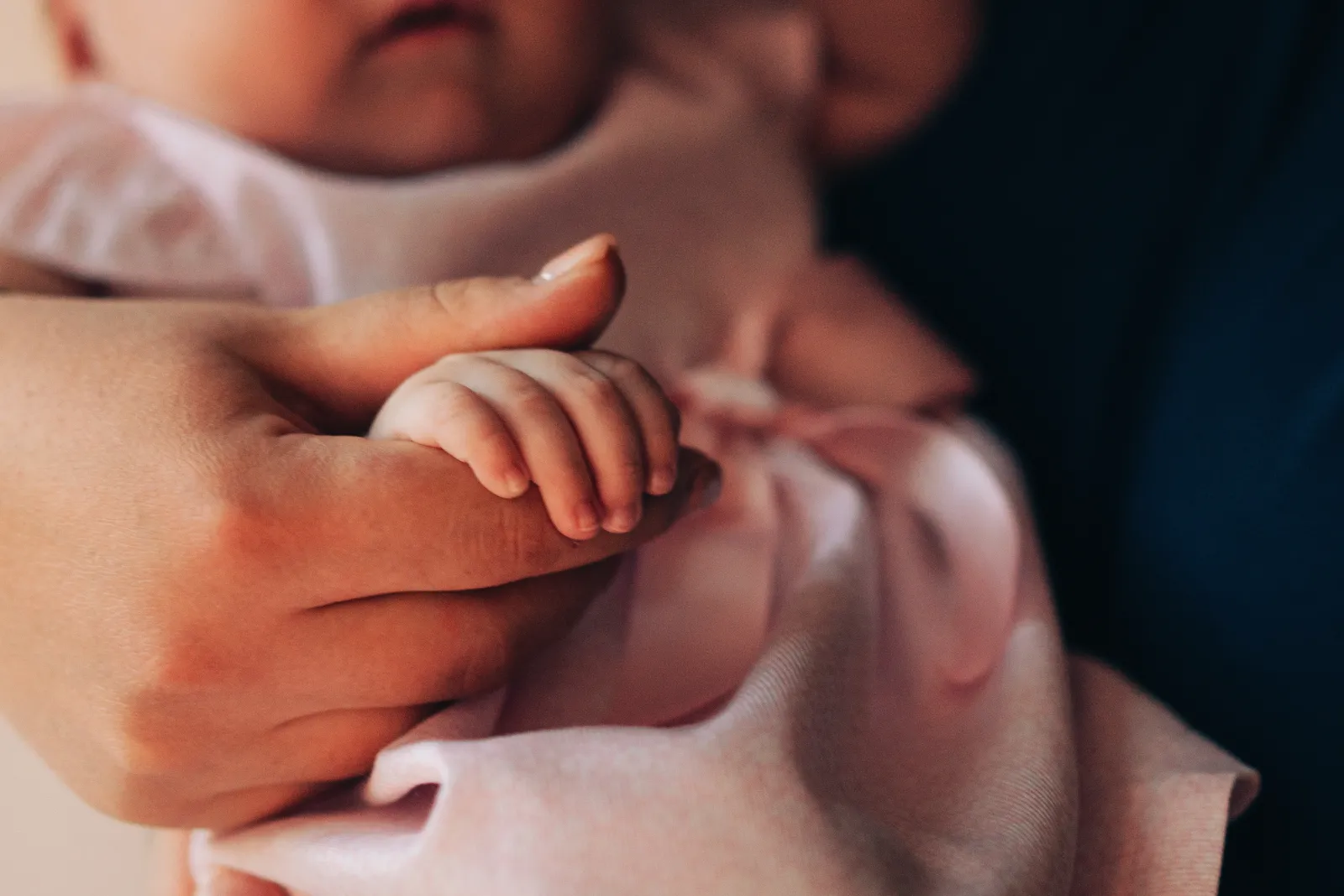
A leading Canadian end-of-life physician, Dr Alain Naud, has called for euthanasia to be available for babies and defended assisted dying for newborns, provoking strong reactions in Parliament.
Parliamentary Outrage Over Dr Naud's Comments
During a parliamentary committee hearing on medical assistance in dying (MAID), Dr Naud laughed when questioned by Conservative MP Andrew Lawton about allowing assisted dying for children aged zero to one with severe life-threatening conditions.
Lawton, a vocal critic of Canada's expanding assisted dying regime, grew visibly heated as the doctor suggested that some babies should have the option to be euthanised if their condition was deemed "incompatible with life".
Dr Naud's Stance on Babies Born With Incompatible Conditions
When asked whether the government should allow assisted dying pathways for children aged zero to one with severe life-threatening conditions, Dr Naud began laughing before replying that he was not referring to that age group, but rather to babies born with conditions that are incompatible with life, citing "a baby born without a brain" as an example.
Admission of Illicit Actions and Euthanasia Statistics
During questioning, Dr Naud admitted to breaking federal law by committing homicide and acknowledged that he has euthanised over 100 patients, some without their consent, citing "advance directives" as justification.
Quebec introduced advance requests for euthanasia in 2024, but under Canada's Criminal Code it remains classified as homicide.
Comparison to the Netherlands' Groningen Protocol
Dr Naud referenced a baby in the Netherlands who was born without a brain to illustrate his point. The Dutch Groningen Protocol, established in 2005, sets criteria and reporting procedures for the deliberate ending of a newborn's life in exceptionally severe circumstances. The protocol is highly restrictive but remains controversial.
Canadian Opposition and Concerns
Brendan Tran, spokesperson for Campaign Life Coalition, condemned the proposal as "the calculated killing of an infant" and warned that a similar system could emerge in Canada.
Dr Louis Roy, a representative of the Quebec College of Physicians, has also advocated for euthanasia pathways for certain newborns. In October 2022, he told a parliamentary committee that assisted dying "may be appropriate for babies suffering from extreme pain".
Evolution of Canada's Assisted Dying Program
Canada's MAID program has expanded since its 2016 legalisation. In 2021, eligibility was broadened to include adults whose natural death was not reasonably foreseeable. By the end of 2024, over 76,000 Canadians had died by euthanasia, including 16,500 that year alone, accounting for 5.1% of all deaths in the country.
In February 2023, a parliamentary committee recommended considering extending eligibility to mature minors in certain circumstances, but this proposal was never implemented. Ottawa confirmed in December 2024 that it would not allow MAID for babies. Current law requires applicants to be at least 18, possess decision-making capacity, voluntarily request MAID, and provide informed consent.
Future Legislative Directions
The latest bill does not propose to extend eligibility but aims to establish a new framework for advance requests by eligible adults.
What Happens Next?
Canadian lawmakers continue to debate the scope of MAID, while advocacy groups on both sides of the issue maintain their positions on the limits of assisted dying. The debate over extending MAID to newborns remains unresolved, with no legislative change expected in the near term.
Related Stories
Democrats Push to Defund Iran War While Unsure of Next Steps
How Thanksgiving Evolved Through Political Clashes And History