Incoming Democratic majorities list cutting off money for the U.S. conflict with Iran, started by President Trump nine months ago without congressional approval, as a primary goal. Lawmakers still face open questions about subsequent steps and whether they can compel Trump to stop the fighting without placing regional U.S. forces in danger. House Democrats divided over defunding Iran war amid shutdown risk remains a key debate as deadlines approach.
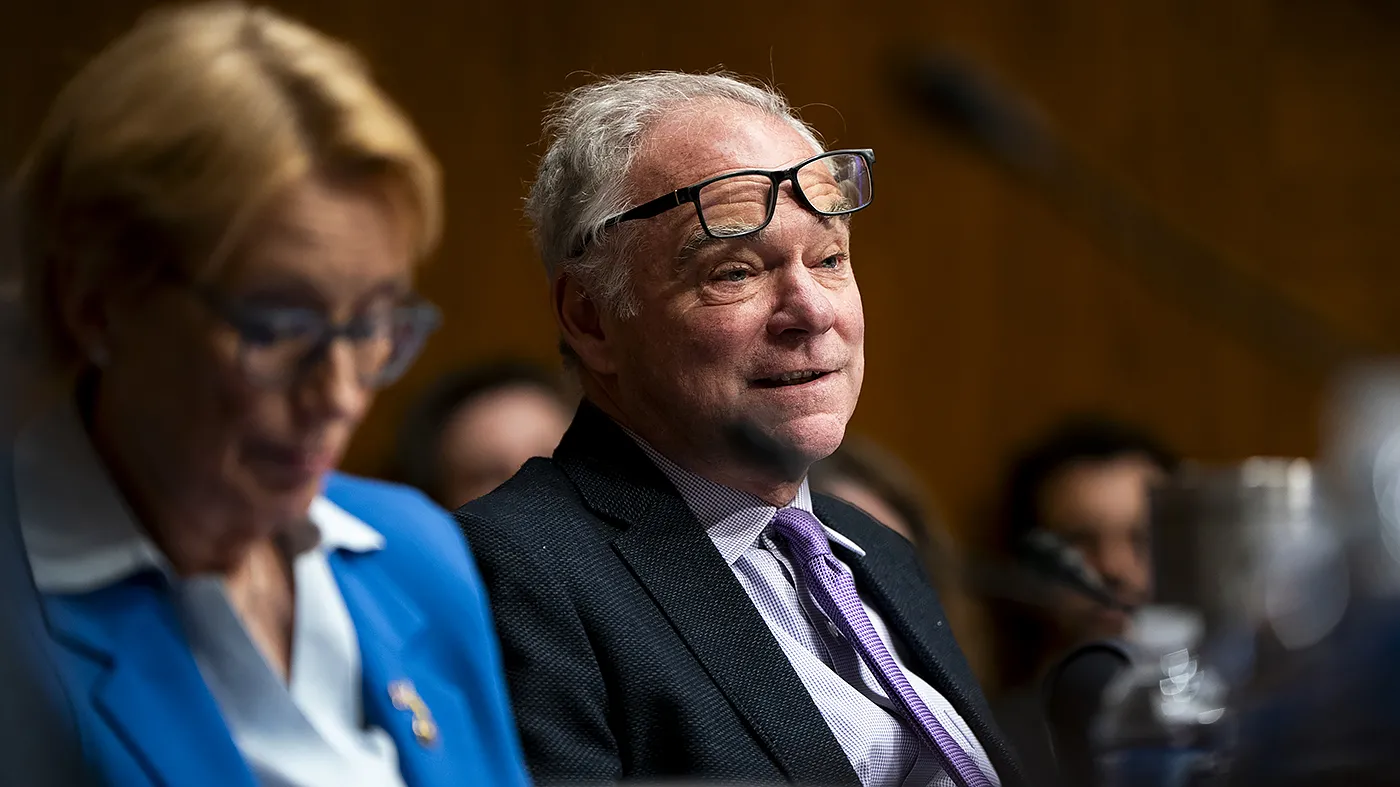
Sen. Tim Kaine (D-Va.), a member of the Senate Armed Services and Foreign Relations committees, told The Hill, "We're working on a consensus position; we're not there yet." He added, "We're not there yet. It will be soon."
Upcoming Funding Deadlines and Strategy
Congress approaches a December 11 deadline to finance the government, presenting Democrats with an initial chance to curb offensive operations in Iran before officially taking control of the House and Senate. A full-year spending measure backed by Republicans might maintain war funding during a delicate period when Trump alternates between threats of renewed offensive strikes and reliance on sanctions alongside a naval blockade in the Strait of Hormuz.
Rep. Rosa DeLauro (D-Conn.), the ranking member of the House Appropriations Committee, stated her support for full-year spending bills covering as many non-controversial priorities as possible. This approach could allow for a short-term military funding measure, leaving Democrats to address the war after assuming the congressional majority in January.
DeLauro told reporters last week, "To a person, we all want to see the funding on the war ended; the issue is how that gets done, what we can do in the short term and then what we need to do afterward."
Leadership Contests and Legislative Amendments
The immediate direction regarding Iran will likely stay unclear until Senate Democrats finish voting on their caucus leadership on December 1.
- Sen. Chuck Schumer (D-N.Y.) faces Sen. Chris Van Hollen (D-Md.) in the leadership contest.
- Van Hollen has called for "not one penny more" in funding for the war.
- Schumer's position remains unclear.
Sen. Kirsten Gillibrand (D-N.Y.), backing Schumer, alongside undecided Sens. Tammy Duckworth (D-Ill.) and Elizabeth Warren (D-Mass.), announced plans last week to introduce an amendment to spending bills that blocks Iran war funding. Duckworth stated, "This amendment is the bare minimum Congress can do to heed Americans' call and use our power of the purse to force the President to end this conflict we never should've been in."
Diplomatic Pressures and Defense Challenges
Several House Democrats believe that halting war funds immediately will ramp up pressure on Trump to pursue diplomacy with Tehran. Rep. Ro Khanna (D-Calif.), a member of the House Armed Services Committee, said, "If we end the war, it will force Trump to the negotiating table with Iran."
Sen. Jacky Rosen (D-Nev.), a member of the Senate Foreign Relations Committee, stated that the U.S. must advance a diplomatic resolution with Iran. She noted, "The administration needs to come and talk with us and consult with us, and as they continue to work on a diplomatic solution, we all need to be engaged."
Protecting the funding required for defending U.S. troops while preventing the administration from using those resources for offensive operations in Iran poses a significant challenge for lawmakers. Damian Murphy, senior vice president for national security and international policy at the Center for American Progress, remarked, "Crafting the language that an administration can't drive a truck through, and find a loophole, is hard. But I do think it is important."
Escalating Tensions in the Persian Gulf
The conflict remains deadlocked in a fragile and dangerous state while Trump refrains from launching large-scale bombing campaigns due to concerns over munitions shortages for U.S. assets and regional allies. Sanctions and naval blockades have elevated economic pressure, yet dangers persist as attacks on oil tankers and limited strikes continue.
Iran's Revolutionary Guard navy reported that two oil tankers struck naval mines in the Strait of Hormuz on Wednesday, causing fires and explosions while accusing the vessels of bypassing Iranian control. These mine collisions coincide with tanker attacks reaching high levels in October with 30 damaged ships, according to CNN, alongside at least 22 attacks during the first three weeks of November.