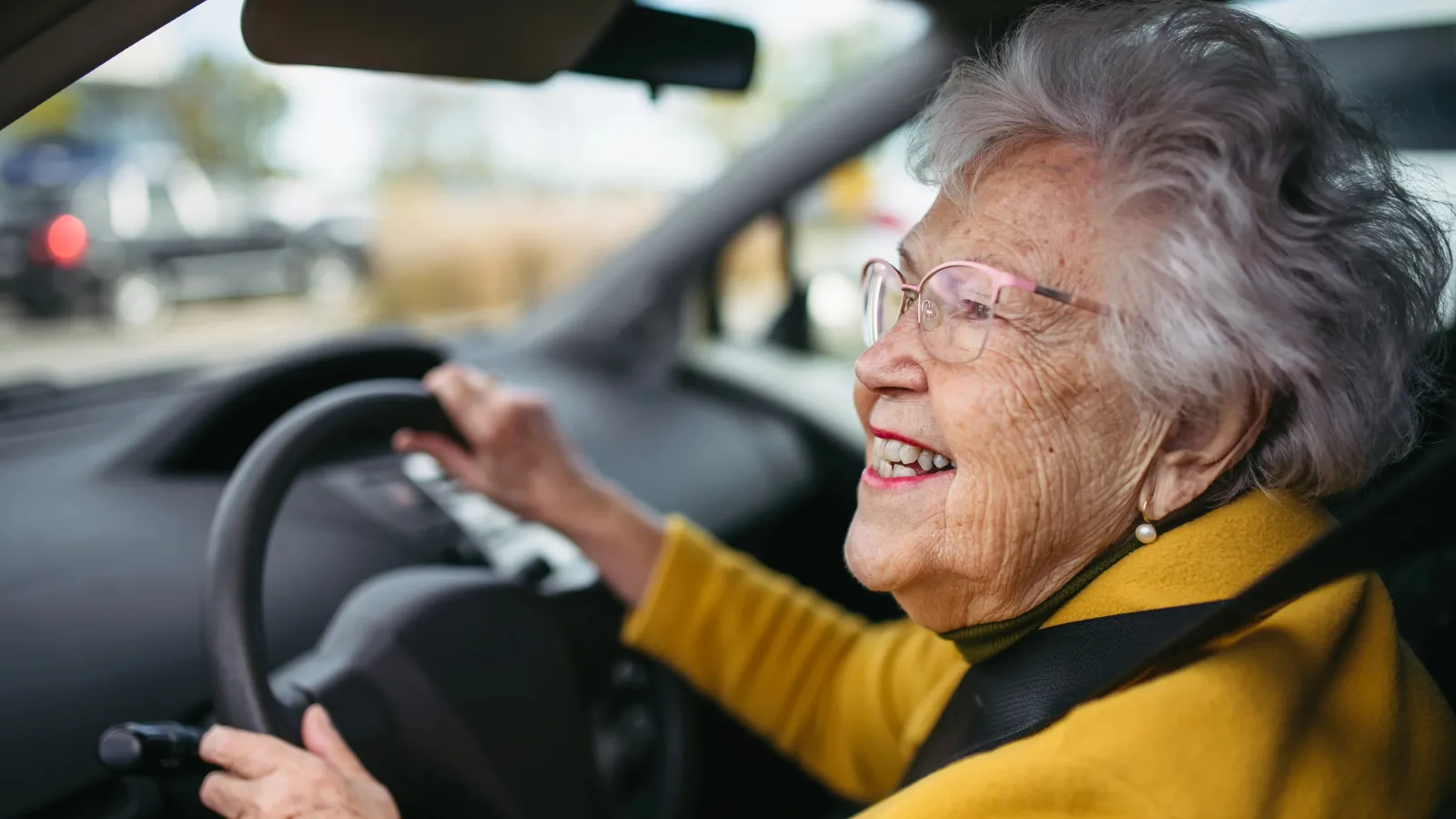
Britain is considering a new rule that would make it compulsory for drivers aged 70 and older to pass an eye test every three years to keep their licences. The change comes after a spike in fatal crashes involving older motorists and a 60% rise in senior licence holders between 2012 and 2025.
Who must undergo the new vision test?
Under the proposed policy, any driver in Great Britain who is 70 or older will have to demonstrate that their eyesight meets legal standards at the time of licence renewal. Those who fail to meet the required standards could see their licences revoked.
The Department for Transport (DfT) reported that the number of full licence holders aged 70 and above in Great Britain rose by 60% from 3.9 million in November 2012 to 6.3 million in May 2025. About 2 million older motorists renew their licences each year.
The proposals would apply to England, Scotland and Wales, but Northern Ireland remains excluded due to its separate licensing system.
When could the mandatory tests take effect?
The government opened a public consultation on 7 January 2026, originally set to close earlier but extended to 11 May. No launch date has yet been confirmed and the government has not yet released its consultation response, though further details are expected in the coming weeks.
The consultation paper also mentioned that testing could become more frequent as drivers age, with potential thresholds at 75, 80 and 85. It noted that while people aged 60 and over are entitled to free NHS sight tests in England, these do not cover all the requirements for driving fitness.
The DfT is looking at adding a specialised assessment that checks peripheral vision. Tests could be conducted at opticians, through the NHS or at dedicated test centres. The paper outlined three possible funding models: full government funding via NHS tests, private payment by motorists or a split between the two.
Senior campaigner Dennis Reed of Silver Voices warned that charging older motorists could push them off the road. He said: "You will see older drivers forced off the road because they can't afford the test even if their eyesight is fine. That is an outrage."
Ministers also indicated that cognitive assessments for older drivers might be considered in the future, although these were not part of the eyesight consultation.
What are the current DVLA eyesight rules?
Drivers must be able to read a number plate from 20 metres away and have a visual acuity of at least 6/12 on the Snellen chart, as well as an adequate field of vision. Glasses or contacts can be used, but must be worn when driving. Failure to meet these standards can result in a fine of up to £1,000, three penalty points and possible disqualification.
Police can request urgent licence revocation under 2013 powers known as Cassie's Law if a driver's eyesight is unsafe. Drivers who do not notify the DVLA of a medical condition that affects driving can also be fined and prosecuted if involved in an accident.
Currently, motorists generally renew their licences free of charge when they turn 70 and every three years thereafter, declaring that they meet eyesight requirements rather than undergoing an independent assessment.
Why are eye tests being proposed for older drivers?
Drivers aged 70 and above accounted for 27% of all car driver fatalities in Great Britain in 2025. Police identified uncorrected or defective eyesight as a contributing factor for 4.6% of older car drivers involved in fatal or serious collisions across 2024 and 2025, compared with 0.3% of those aged 25 to 69.
A study by Confused.com in April found that nearly 20,000 licences were revoked due to eyesight problems between 2023 and 2025, covering motorists of all ages. During the same period, almost 190,000 drivers notified the DVLA of an eye condition.
A DfT spokesman said: "We recognise the importance of driving for older people's independence, but need to balance this with our priority to keep everyone safe."
Background: Growth of the senior driving population
The increase in older drivers reflects broader demographic changes. Life expectancy in the UK has risen steadily over the past decades, and many retirees continue to drive for independence, work, and social activities. This trend has placed greater demands on road safety systems to accommodate a larger cohort of older motorists.
How the new testing process would work
Under the draft proposals, licence renewal would trigger an automatic invitation to a vision assessment. The assessment would evaluate visual acuity, colour vision, peripheral vision and depth perception, factors that directly impact safe driving. If a driver meets the standards, their licence would be renewed; if not, the DVLA could suspend or revoke the licence pending further medical review.
Potential funding models and their implications
The consultation identified three funding options: full government coverage through NHS sight tests, private payment by motorists, or a shared cost model. Each option carries different implications for accessibility, cost recovery and public perception.
If motorists bear the cost, campaign groups argue that many seniors, especially those on fixed incomes, could be priced out of the road. Conversely, full public funding would increase NHS spending but maintain mobility for older drivers.
What motorists need to do now
At present, drivers aged 70 and over can renew their licences free of charge by completing a simple declaration of fitness. However, they should remain aware of the impending changes and consider scheduling a comprehensive eye exam if they have not done so recently.
Motorists should also keep their contact details up to date with the DVLA so they receive any future notifications about mandatory testing.
What's next for the consultation?
The government will publish its response to the consultation in the coming weeks. Stakeholders, including senior advocacy groups, optometry associations and road safety organisations, will likely lobby for specific provisions regarding funding, test locations and the inclusion of cognitive assessments.
Implications for road safety and independence
By tightening vision standards for older drivers, authorities aim to reduce the proportion of crashes caused by impaired eyesight. The move also underscores a broader strategy to maintain road safety while respecting the mobility needs of seniors.