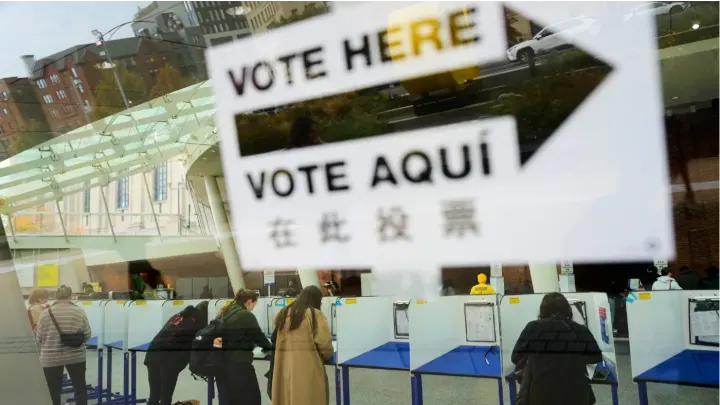
Recent Democratic wins across various state houses and in Congress have generated fresh momentum for altering how presidential elections are decided. Many Democrats have long sought to replace the current system, particularly after the 2000 and 2016 contests placed Republican presidents in office despite Democratic popular vote victories, though any such attempt faces significant legal hurdles.
Push for the National Popular Vote Interstate Compact
Supporters of the overhaul are encouraging additional states to adopt the National Popular Vote Interstate Compact, an agreement requiring a participating state to award all its electoral votes to the winner of the national popular vote. Nineteen jurisdictions alongside Washington, D.C., have already passed the compact into law, while six other states have approved it within their legislative chambers.
Reformers aim to accumulate enough participating states to total 270 electoral votes, which would effectively decide the presidency via the popular vote. Several states that could potentially boost this total recently elected Democratic lawmakers who support the initiative, such as reelected Pennsylvania Gov. Josh Shapiro and Wisconsin Gov.-elect David Crowley.
The agreement requires a total of 270 electoral votes before it can take effect in any participating state. Conservatives, who traditionally benefit from the existing system, have spent years warning against these proposed alterations.
Arguments Surrounding the Electoral System
Defenders of the Electoral College argue that it compels presidential candidates to address the needs of voters in low-population, rural, and conservative states rather than merely courting massive population centers like New York and California. Proponents of changing the system contend that national voter sentiment ought to take precedence over a state-weighted model that has previously placed five presidents in the White House without winning the popular vote.
Pennsylvania Gov. Josh Shapiro, who is considering a 2028 presidential run, told Pod Save America that his state can still maintain a massive role under a national popular vote system. Opponents like Katherine Bennett, an expert at the American Legislative Exchange Council, warn that tying electoral votes to the national popular vote would strip rural areas of their voice during presidential elections.
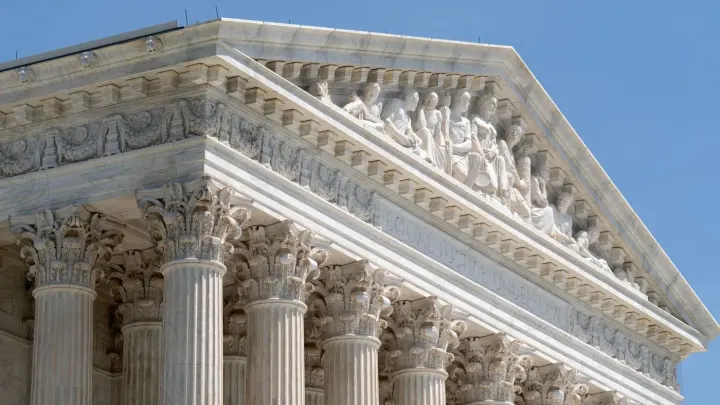
The interstate compact also raises constitutional questions since the Electoral College is explicitly written into the Constitution and typically requires an amendment to alter. Conservative legal scholar Hans von Spakovsky argued in a 2020 report for the Heritage Foundation that the compact clause has already been tested and that the Supreme Court would likely rule against states attempting to award electors without congressional approval.
Investigations Target Huang and Lutnick
In a separate political development, congressional Republicans have initiated inquiries into former Nvidia CEO Jensen Huang following his resignation. Jensen Huang faces calls for questioning from lawmakers regarding allegations of extramarital affairs, including one with a subordinate and another involving an alleged Chinese spy.
House and Senate Republican leaders have demanded closed-door hearings to examine potential national security implications and questioned Commerce Secretary Howard Lutnick over his management of chip export controls. Rep. John Moolenaar, chair of the House Permanent Select Committee on China, stated that investigators want to determine whether Huang shared privileged information about United States artificial intelligence capabilities.
Rep. Brian Mast, chair of the House Foreign Affairs Committee, indicated that Huang agreed to testify, and joined Rep. Rick Crawford in issuing a letter summoning Huang to a transcribed hearing. Meanwhile, Sen. Tim Scott, chair of the Senate Banking Committee, is reviewing the matter alongside Commerce Secretary Howard Lutnick regarding administration policies toward chip sales to China. Sen. Jim Banks also voiced concerns during a Fox News interview regarding Nvidia's pressure on lawmakers.
Additional Legislative Actions
- A Senate panel will vote Wednesday on the nomination of Heidi Overton for commissioner of the Food and Drug Administration.
- The American Principles Project sent a letter to Senate Majority Leader John Thune calling for lame-duck action on online child safety bills.
- Republicans on the Senate Appropriations Committee released a draft of a defense spending bill totaling $1.1 trillion.