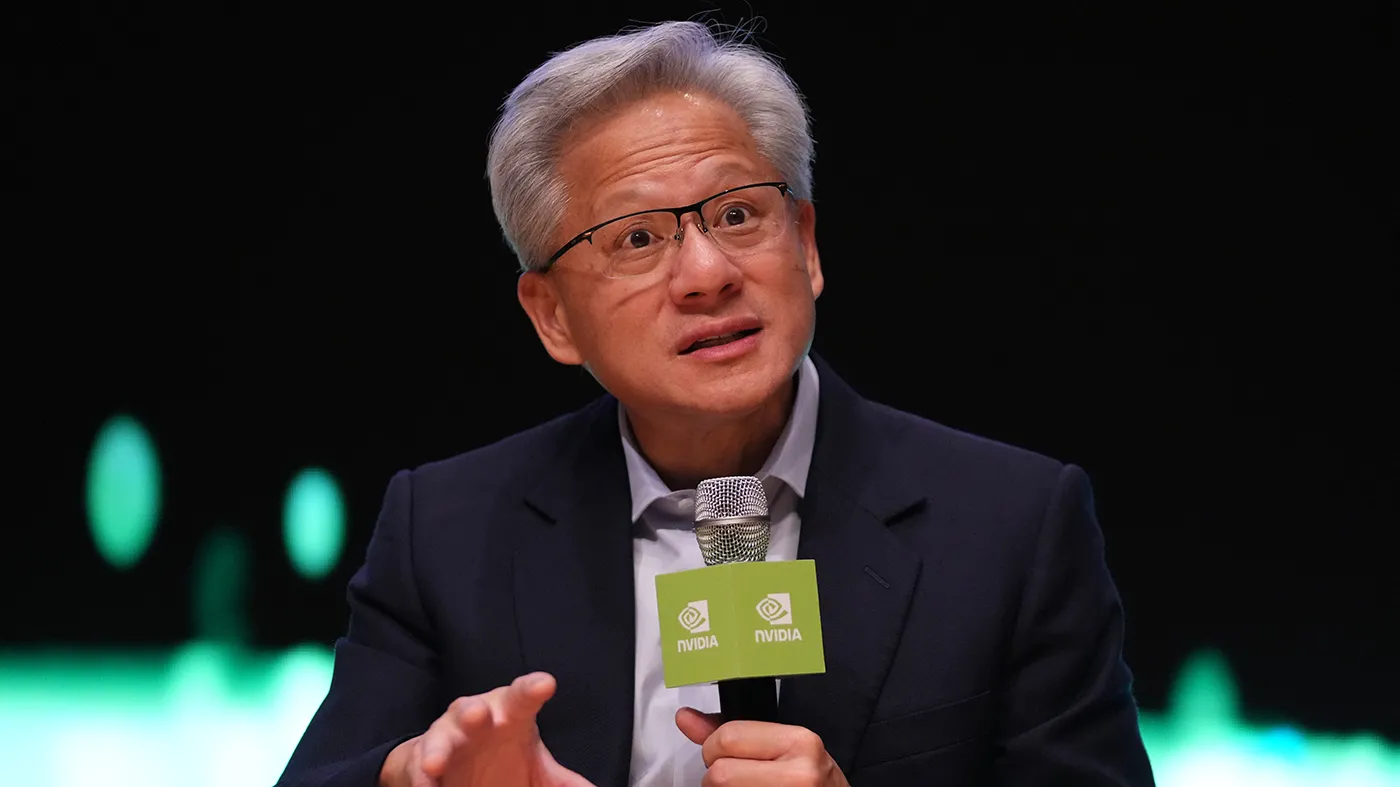
Lawmakers in Washington are still seeking answers and want to hear from former Nvidia CEO Jensen Huang amid national security concerns following his involvement with a woman who United States officials concluded was likely a spy. The resignation of Jensen Huang sent shockwaves across Silicon Valley and Washington, but the tensions seem far from over.
House Foreign Affairs Committee Chair Brian Mast said on Thursday the former Nvidia CEO agreed to come in for a briefing that will likely be under oath, transcribed, and video recorded, though negotiations are ongoing on the details. Jensen Huang admitted this week he had an affair with Alice Huang, a onetime executive at the Singapore-based data center company Megaspeed who is suspected of working as a Chinese intelligence asset.
The explosive revelations prompted bipartisan calls for an investigation into Jensen Huang and Nvidia, which do not seem to be going away following his resignation. House China Committee Chair John Moolenaar said it is important that Jensen Huang is heard from directly, as soon as possible.
House Minority Leader Hakeem Jeffries welcomed the resignation, but said it is not enough to allay concerns about the potential threat. It was the right thing to do, he said Thursday during a press conference in the Capitol, adding that authorities now have to get to the bottom of whether America's national security has been compromised.
The incoming Speaker said Representatives Jim Himes, the incoming chairman of the Intelligence Committee, and Greg Meeks, who is expected to lead the Foreign Affairs panel, will take the lead for House Democrats as they dig into the national security implications of the scandals. Meeks told reporters that authorities have only seen the tip of the iceberg and that while the board probably did what it had to do, he has other questions and the situation does not make it go away.
Background on Nvidia and Corporate Governance
Nvidia Corporation is a massive American multinational technology company incorporated in Delaware and based in Santa Clara, California. Founded in 1993 by Jensen Huang, Chris Malachowsky, and Curtis Priem, the corporation designs graphics processing units for the gaming and professional markets, as well as system on a chip units for the mobile computing and automotive market. Over the past several years, the company has grown into a dominant force in artificial intelligence computing, providing the hardware that powers modern machine learning models and large language systems used worldwide.
Corporate governance structures in major United States publicly traded companies typically involve a board of directors tasked with overseeing executive leadership and protecting shareholder interests. When a chief executive officer faces severe personal controversies or potential legal and security risks, boards often move swiftly to investigate and secure resignations to protect the corporate reputation and maintain investor confidence. Regulatory scrutiny from federal oversight committees often follows major corporate leadership crises, particularly when national security elements or international trade policies intersect with private technology development.
United States Congressional Oversight and National Security Reviews
Congressional committees in the United States House of Representatives and the United States Senate possess broad investigative powers, including the authority to issue subpoenas, compel testimony under oath, and request documents from federal agencies and private corporations. Committees such as the House Foreign Affairs Committee and the House Select Committee on the Chinese Communist Party focus heavily on foreign policy, export controls, and potential espionage threats involving foreign adversaries. Lawmakers use these oversight mechanisms to evaluate whether advanced technologies developed by American firms are adequately protected against unauthorized foreign intelligence gathering or improper transfer of sensitive capabilities.