The army has been slammed for safety failings after a young soldier was fatally struck down by a reversing tank during a training exercise.
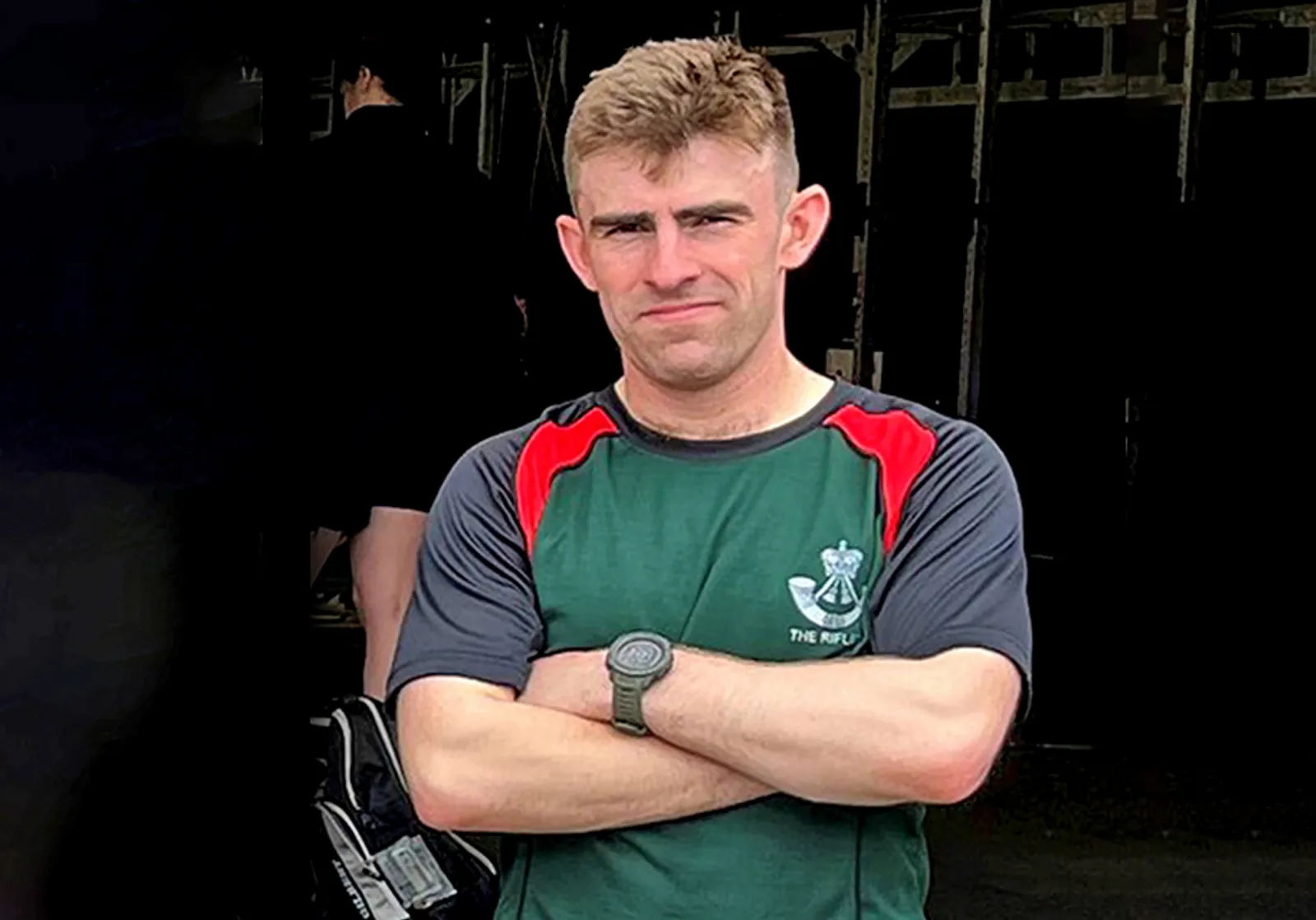
Second Lieutenant Max George, 26, was knocked to the ground and crushed after getting out of the vehicle on Salisbury Plain in June 2022.
The devastating accident unfolded after the tank's student commander gave orders to reverse the vehicle at speed, without realising Max was exiting.
During a hearing on Thursday, coroner Ian Singleton said the young soldier died at the scene from traumatic injuries.
He recorded his death as an accident, pointing to a number of safety shortcomings, including using the vehicle to transport troops.
He also highlighted the lack of an effective maintenance regime for the door alarm system, which turned out to be faulty.
The coroner added that the student commander's training had been flawed and that there was an absence of appropriate vehicles or staff on the exercise.
Remarking on the tragic incident, Brigadier Giles Malec, head of the Army Safety Group, said they recognised the seriousness of the matter.
He added that they remain committed to ensuring that the lessons identified are properly embedded and the risks are reduced, and outstanding recommendations continue to be progressed.
We thank Max's family for their composure and strength during this process, and we acknowledge the professionalism of all those involved in examining the circumstances surrounding Max's death, he continued.
We respect the coroner's conclusion and will look to rectify any additional failures identified.
At the inquest, it was found that two types of Warrior tanks had been used during the exercise, the FV-510 and the FV-511.
The armoured vehicle Max had been onboard was not typically used for disembarking troops and close combat.
Lieutenant Colonel Graham Watson, leading the enquiry, noted that alarms had been installed in the tanks after two deadly incidents in the 1990s.
He previously told the inquest the tank's faults were known about, including an alarm that should have warned the driver when its rear doors were open.
Upon exiting, the vehicle was said to make a clunking noise, perhaps signalling to the driver that Max had disembarked, the Colonel said.
This was part of his reasoning to why he gave the command for the vehicle to reverse after he waited a few seconds after hearing the clunk and not seeing anything at the rear, he added.
The built in alarm would have alarmed because the rear doors were open, and had that gone off the driver would have almost certainly stopped.
In addition on the driver's instrument panel, because the rear doors were open there should have been a light, but again because the wiring loop was damaged that didn't light up.
Max's family described him as a caring and devoted son and brother.
Mum Vivienne told the court: We, as Max's family, could sing his praises all day, but the tributes we received from his friends, his peers, senior Army personnel, school teachers, and everyone who met or even had heard of Max, speak louder than anything we can say.
We are struck by just how adored Max is by everybody he came across.
Several senior officers were at pains to claim it is rare for a young officer to have gained such a reputation so early in their career.
Max had effortless leadership qualities, and he truly was a star.
His potential was enormous, and he was an exceptionally talented, yet humble man.
Max's soldiers so dearly adored him, which is testament to his fine character and natural flair.
Victoria Neale, of Pepperells Solicitors, which represented the family, said: (Lt George) was a highly respected and talented officer of the highest calibre, a proud member of the armed forces who loved his work, and was dedicated to serving his country.
He is greatly missed by his family, his comrades and all who knew him.
We would like to thank the coroner for the care with which the inquest was conducted.
The inquest provided the family with important answers about the circumstances surrounding Max's death and identified many faults and failings that caused and contributed to this tragedy, including the use of equipment for a purpose for which it was not intended, equipment faults, and failures in critical safety systems and training procedures.
Whilst nothing can change the outcome for Max's family, the findings provide a degree of accountability.
She added that the Ministry of Defence had enforced new measures in response to the investigation's findings.
Whilst nothing can undo the family's loss, it is hoped that these measures, if implemented and adhered to, will reduce the risk of a similar tragedy occurring in the future, she said.
Background on Salisbury Plain Training Area
Salisbury Plain is a vast expanse of chalk plateau in Wiltshire, England, covering roughly 300 square miles. It serves as the principal training ground for the British Army, accommodating live-firing exercises, heavy armour maneuvers, and large-scale tactical training. The terrain features numerous historic landmarks, including Stonehenge, alongside military installations and firing ranges that have operated for over a century. The British armed forces frequently use this location for preparing units before deployments abroad, integrating infantry, artillery, and armored vehicles like the Warrior tracked vehicle family into complex operational scenarios.
History of the Warrior Armoured Vehicle
The Warrior tracked armored vehicle family has formed a core component of the British mechanized infantry since the late 1980s. Manufactured by GKN Defence, these armored vehicles transport infantry across the battlefield while offering protection against small arms fire and artillery splinters. Variants such as the FV-510 infantry section vehicle and the FV-511 command vehicle fulfill different roles within armored brigades. Over decades of service, military engineers have introduced various modifications to address operational demands, maintenance requirements, and safety protocols following historical incidents during training and combat operations.
Coroner Inquests In The United Kingdom
Coroner inquests in the United Kingdom function as independent judicial investigations to determine how, when, and where a person died. Led by a coroner, these proceedings gather evidence from witnesses, medical professionals, and technical experts without attributing criminal or civil liability. The process aims to uncover the factual circumstances surrounding unexpected or violent deaths, producing recommendations known as prevention of future deaths reports when systemic issues are identified. These findings ensure that organizations, including government departments and the military, review operational procedures to protect personnel during high-risk activities.