Army Detonating Lead Munitions Tomorrow
The U.S. Army will detonate degraded lead azide at the Iowa Army Ammunition Plant in Middletown, Iowa, on Wednesday. Acting Army Secretary Adam Telle announced the controlled explosion on the social platform X, stating the operation would proceed in full coordination with state, local and federal authorities because the safety of Iowa's citizens comes first.
Telle described the decision as a consensus among experts, noting that both Iowa's current and incoming governors agreed the call belonged to specialists. He added that a federal appeals court had declined to block the emergency permit for the controlled explosion on Monday.
The Army had announced last week that the detonation would produce a plume of lead-containing particles. The announcement sparked public concern over potential toxic lead exposure, both immediately and in the aftermath. Federal officials argue that a controlled detonation is safer than risking an accidental explosion.
In response, officials said they would take measures to mitigate the blast's impact, including using a water wall to absorb the explosion and associated pollution. They also urged the evacuation of all residents of Middletown and the immediate surrounding area, defined as a 5-mile cone extending southwest, especially for children, pregnant individuals, and those with chronic illnesses.
Background: Lead Azide and the Iowa Plant
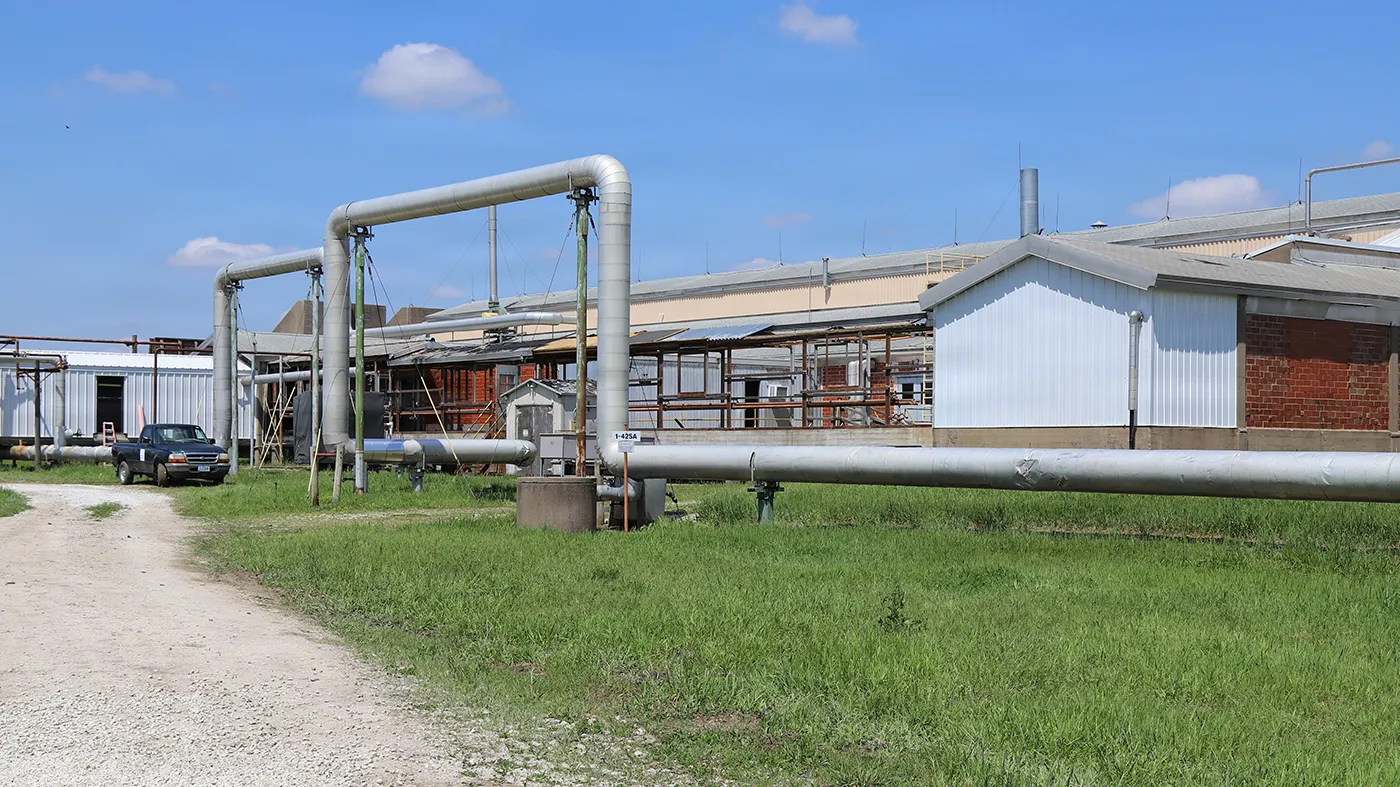
Lead azide is a high-explosive compound commonly used in detonators for artillery shells and other munitions. Over time, lead azide can degrade, becoming more unstable and posing a higher risk of accidental detonation. The Iowa Army Ammunition Plant, located in Middletown, has stored large quantities of lead-based munitions for decades, and the Army has been assessing the safety of these stockpiles.
In recent years, the Army has undertaken a program to safely dispose of aging munitions. The program includes controlled detonations, chemical neutralization, and removal of hazardous materials. The decision to detonate degraded lead azide at the Iowa plant is part of this broader effort to reduce the risk of accidental explosions and to comply with environmental and safety regulations.
What the Controlled Detonation Involves
The planned explosion will be conducted under strict supervision, with a blast radius carefully calculated to minimize environmental impact. The Army will employ a water wall, a barrier of water designed to absorb shock waves and reduce airborne particulates. The water wall is expected to capture a significant portion of the lead dust that would otherwise disperse into the atmosphere.
Despite these precautions, environmental groups and local residents have expressed concerns about the potential for lead exposure. Lead is a toxic metal that can cause neurological damage, especially in children. The Army's statement emphasized that the controlled detonation is preferable to the risk of an accidental explosion, which could release lead in an uncontrolled manner.
Legal and Regulatory Context
On Monday, a federal appeals court denied a request to block the emergency permit for the controlled explosion. The court's decision allows the Army to proceed as scheduled. The Army's action follows guidance from federal agencies that oversee hazardous materials, including the Environmental Protection Agency and the Occupational Safety and Health Administration.
State and local authorities in Iowa have coordinated with the Army to ensure that emergency services are prepared and that evacuation orders are communicated promptly. The Iowa Department of Public Health has issued advisories on lead exposure and has set up monitoring stations to track air quality before, during, and after the detonation.
Evacuation and Public Health Measures
Officials have ordered the evacuation of all residents of Middletown and the surrounding 5-mile cone. The evacuation includes families with children, pregnant women, and individuals with chronic illnesses, who are most vulnerable to lead exposure. The Iowa Department of Public Health will provide temporary shelters and medical monitoring for those displaced.
After the detonation, the Army will conduct air sampling to assess lead concentrations. If levels exceed safe thresholds, additional cleanup operations will be initiated. The Army also plans to remove any remaining lead-containing munitions from the site and transport them to a secure disposal facility.
Community Response and Concerns
Local residents have voiced anxiety over the potential health risks. Community leaders have called for transparent communication from the Army and state officials. The Army's spokesperson emphasized that the operation is under strict control and that the safety of the public is the top priority.
Environmental advocacy groups have urged the Army to consider alternative disposal methods that would eliminate lead exposure entirely. They argue that the long-term environmental impact of lead dust could outweigh the immediate benefits of a controlled detonation.
What Happens Next
On Wednesday, the Army will conduct the controlled detonation at the Iowa Army Ammunition Plant. Following the blast, authorities will monitor air quality, conduct cleanup, and manage the return of residents to their homes. The Army will also review the effectiveness of the water wall and other mitigation measures, and may adjust future disposal plans based on the outcomes of this operation.
Officials will release detailed reports on the environmental impact and public health outcomes after the detonation. The Army's decision to proceed reflects a balance between operational safety and environmental stewardship, a decision that will be scrutinized by both local communities and national regulators.
Related Coverage
For more on the Army's plans, see the detailed report on Iowa Army Plans Lead Munitions Detonation This Wednesday.