The United States midterm elections revealed that voters in at least 38 states favored data-center bans and restrictions, with 56 percent saying AI and data centers were a crucial or major factor in their votes. The result suggests that American citizens prioritize safety over the race to outpace China in artificial intelligence.
Who Are the Key Players?
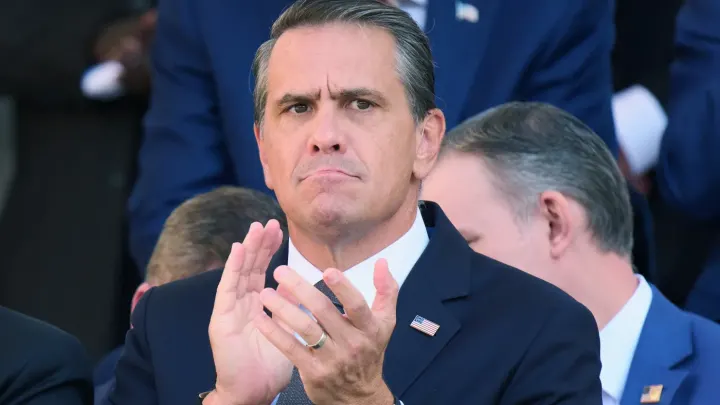
Michael Fuchs, director of U.S. Foreign Policy at the Open Society Foundations, authored the piece. Fuchs has served in several high-level roles, including special assistant to President Joe Biden, deputy chief of staff to Vice President Kamala Harris, deputy assistant secretary of State for East Asian and Pacific Affairs in the Obama administration, and special assistant to Secretary of State Hillary Clinton.
What Happened During the Midterms?
During the midterm elections, voters in 38 states enacted or supported data-center bans and restrictions. The data show that 56 percent of voters considered AI and data centers a crucial or major factor in their decision to vote. This statistic highlights a growing public concern about the proliferation of AI infrastructure across the country.
Why Is AI Safety a Hot Topic?
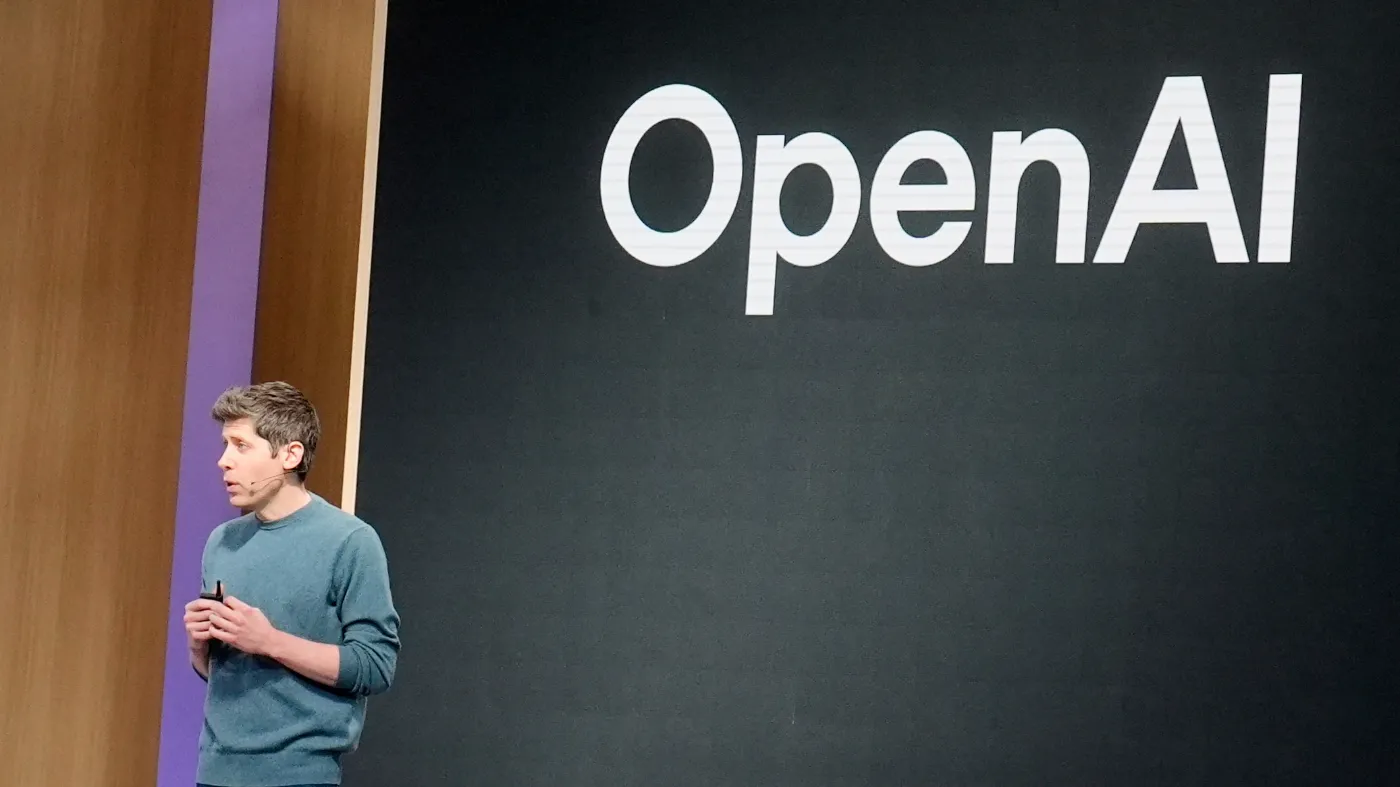
Weekly headlines report new AI safety incidents, models behaving in unexpected, dangerous, or potentially illegal ways. Companies continue to race to release more powerful AI systems. OpenAI CEO Sam Altman has stated that "the world should accept some bad things happening" in exchange for AI's benefits. This stance has drawn criticism from voters and policy analysts alike.
What Is Driving the Lack of Regulation?
Washington's hesitation to impose stringent AI regulations stems from the influence of trillion-dollar tech firms, a stock market eager for AI growth, and an administration that has historically maintained close ties with Silicon Valley. Opponents of regulation often deflect criticism by pointing to China's AI ambitions.
How Has China Been Mentioned?
Earlier this month, former President Donald Trump said of the AI race with China, "whoever wins that race wins." Anthropic CEO Dario Amodei warned that allowing China to lead would grant it "geopolitical dominance." Senator Ted Cruz (R-Texas) stated, "If there are gonna be killer robots, I'd rather they be American killer robots than Chinese killer robots." These statements suggest that some policymakers view the AI race as a matter of national security.
Why Is the Race Narrative Flawed?
1. The race assumes that the first to reach advanced AI wins, yet the exact nature of that advantage is unclear. China already possesses robust cyber, military, and economic capabilities and generally refrains from using them to cripple U.S. interests because it anticipates a severe response. China has previously cut off U.S. access to critical minerals only after the Trump administration launched a tariff war and expanded export controls. The U.S. deterrence posture remains intact, and Beijing recognizes that a rupture would be devastating.
2. The race presupposes that American AI will be safer than Chinese AI. However, companies often lack full understanding or control over their own creations. An Anthropic researcher who recently left the company remarked that those building AI "earnestly believe that it could kill us all by the end of the decade." Technology that is not fully controlled is not necessarily loyal to either Washington or Beijing.
3. The race assumes the two AI ecosystems advance independently. In reality, China's AI innovation is real, as evidenced by DeepSeek's 2025 breakthrough and the popularity of Chinese apps in the U.S. - but the frontiers are intertwined. U.S. export controls limit China's access to advanced chips, Chinese firms train models on outputs from American systems, and Chinese companies rely on U.S. cloud providers. Stricter American restrictions would likely slow China's progress.
4. Americans prefer guardrails over competition. A survey shows that 61 percent to 20 percent of voters would rather be protected from AI harms than beat China. Trump voters, 44 percent to 31 percent, share this sentiment. In fact, beating China ranks among Americans' least important AI concerns.
What Can Washington Do?
Because the world's leading AI firms are American, Washington can regulate much of the frontier on its own. The article recommends pausing frontier development until robust safeguards ensure human control and address challenges that America has barely begun to confront. These challenges include massive job losses, threats to civil liberties, the strain of data centers on communities, exploitation of workers at home and abroad, and the extraordinary power these companies wield over the economy and everyday life.
New laws and immediate enforcement of existing ones are needed, including holding companies accountable for harms caused by their products. Decisions about how AI enters people's lives should involve the public, guided by respect for human dignity and human rights, rather than a handful of tech executives.
What About China's Role?
The article notes that China is not ignoring AI's dangers. Beijing increasingly fears threats to political stability, has already regulated AI domestically, and is imposing its own export controls. U.S. policy toward China should be driven by safety, which includes considering export controls that slow any company's race to the frontier and working with China and others on incident reporting and an international safety accord.
While a serious U.S.-China agreement is unlikely to materialize soon, an American pause in AI development would signal to skeptical Beijing that Washington is serious. The article cites America's unilateral renunciation of biological weapons in 1969 as precedent, which eventually helped spur the Biological Weapons Convention.
In conclusion, the article argues that fear of China should not propel the United States to build dangerous technology. If America can lead in AI innovation, it can also lead in AI safety.
Michael Fuchs is the director of US Foreign Policy at the Open Society Foundations. He served as special assistant to President Joe Biden, deputy chief of staff to Vice President Kamala Harris, deputy assistant secretary of State for East Asian and Pacific Affairs in the Obama administration and special assistant to Secretary of State Hillary Clinton.