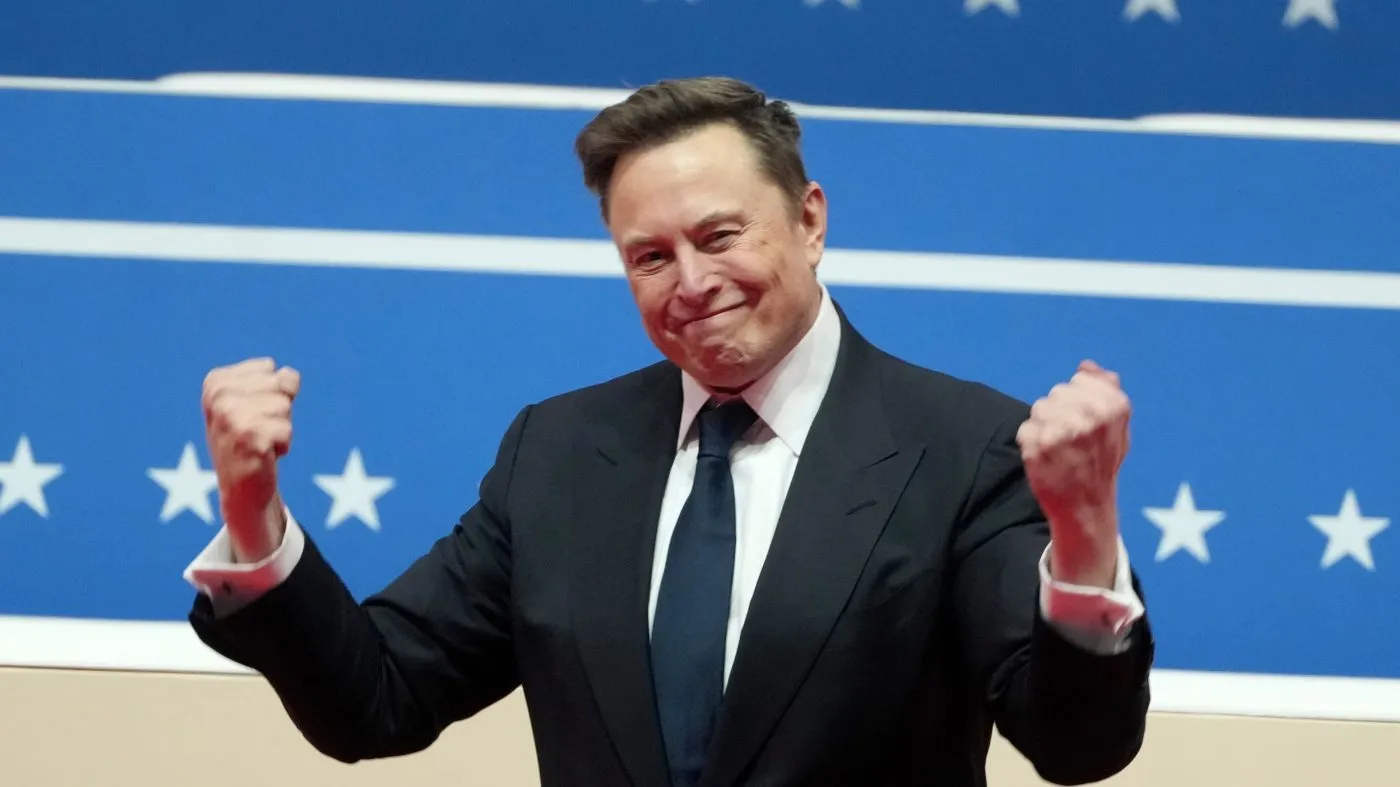
Elon Musk announced on the social-media platform X that he intends to give one share of SpaceX stock to every child in the United States - 73 million shares in total, worth almost $11 billion. The move is framed as a philanthropic gesture, but experts say it will net Musk a combined tax benefit of roughly $14 billion, far exceeding the value of the shares he is giving away.
How the Giveaway Works
Musk plans to channel the shares through a tax-exempt charity, likely a charitable foundation or a donor-advised fund that he effectively controls. The charity would then distribute the shares to American children via so-called Trump Accounts, a type of custodial account created under the 2025 One Big Beautiful Bill Act. The accounts are designed to hold low-cost, diversified index funds, but the SpaceX donation would force them to hold the shares for at least five years, exposing the children to the performance of a single company.
Tax Implications for Musk
At a marginal tax rate of 35 percent, writing off $11 billion in shares would generate tax savings of about $3.8 billion. In addition, the donation would allow Musk to claim a charitable deduction of roughly $3.8 billion, for a total combined benefit of about $14.1 billion - $3.1 billion more than the value of the shares he is giving away.
Musk's Existing Tax Avoidance
According to analysts, 94 percent of Musk's wealth comes from unrealized gains on his holdings, which are not taxed until the assets are sold. Under a fair tax system, Musk would owe the government 94 percent of the $11 billion in stock he plans to donate, or $10.3 billion. Current tax rules, however, allow him to avoid that payment while still receiving a charitable deduction.
Impact on American Children
The Trump Accounts created by the One Big Beautiful Bill Act require investments in diversified index funds to protect children from undue risk. By forcing the accounts to hold SpaceX shares for five years, the donation violates that rule and exposes the children to the volatility of a single company. When the children reach 18 and withdraw the shares, they will still have to pay taxes on any gains.
Legal and Regulatory Context
On September 30, the IRS issued regulations that allow Musk to proceed with the stock donation without facing an effective legal challenge. The regulations were tailored to accommodate the specific structure of the donation and the Trump Accounts, raising concerns about the fairness of the tax system.
Broader Political and Economic Implications
Musk's donation comes amid reports that he has donated more than $400 million for political ads and campaigns in the current midterm election cycle, up from $290 million in 2024. Critics argue that his vast, under-taxed wealth is being leveraged to shape public policy and influence society for his own benefit.
Expert Commentary
Stephen Land, a retired tax attorney and co-host of the Fair Share podcast, and Bob Lord, senior vice president for tax policy at Patriotic Millionaires and associate fellow at the Institute for Policy Studies, have both expressed concerns about the tax advantages and potential legal loopholes in the scheme.
What Happens Next?
As the donation plan moves forward, lawmakers and tax experts will likely scrutinize the IRS regulations and the One Big Beautiful Bill Act to determine whether the arrangement should be challenged or restructured to protect taxpayers and ensure fair treatment of all citizens.
Background: Elon Musk and SpaceX
Elon Musk founded SpaceX in 2002 with the goal of reducing space transportation costs and enabling the colonization of Mars. The company has launched numerous rockets, including the Falcon 1, Falcon 9, and the Starship prototype, and has secured contracts with NASA, commercial satellite operators, and the U.S. Department of Defense. SpaceX's market value has surged, making Musk one of the world's richest individuals.
Background: The One Big Beautiful Bill Act
The 2025 One Big Beautiful Bill Act was enacted to create a new class of custodial accounts, Trump Accounts, for children, with the objective of providing tax-advantaged investment options. The act mandates that these accounts invest in diversified index funds to mitigate risk and that the assets be held for a minimum period to encourage long-term growth. The act also includes provisions to prevent the misuse of these accounts for tax evasion.
Background: IRS Tax Regulations
The Internal Revenue Service (IRS) periodically issues regulations to interpret and enforce tax laws. In recent years, the IRS has focused on closing loopholes that allow high-net-worth individuals to avoid paying taxes on unrealized gains. The September 30 regulation specifically addresses the structure of charitable donations involving large corporate shares and the use of Trump Accounts.
Background: Taxation of Unrealized Gains
Unrealized gains refer to the increase in value of an asset that has not yet been sold. In the United States, taxpayers are generally not required to pay taxes on unrealized gains; instead, taxes are due when the asset is sold and the gain is realized. This tax treatment can create significant disparities for wealthy individuals who hold large, appreciating assets.
Background: Charitable Deduction Rules
Charitable contributions to qualified organizations can be deducted from taxable income, reducing the amount of tax owed. The deduction is typically limited to a percentage of the taxpayer's adjusted gross income, but large donations of appreciated assets can result in substantial tax savings, especially when coupled with tax-exempt status of the receiving charity.
Background: Trump Accounts and Child Investment
Trump Accounts are designed to provide children with a secure, tax-advantaged investment vehicle. The accounts are managed by custodians who must adhere to strict investment guidelines, including diversification and minimum holding periods, to protect young investors from market volatility and short-term trading risks.
Background: Elon Musk's Political Contributions
Musk has been a significant donor to political campaigns, contributing large sums to both Republican and Democratic candidates. His contributions have raised questions about the influence of wealthy donors on political outcomes and the potential for policy decisions to favor their interests.
Background: Tax Policy and Wealth Inequality
Tax policy plays a crucial role in addressing wealth inequality. Critics argue that the current tax system allows high-net-worth individuals to avoid paying a fair share of taxes, while the general public bears the burden of funding public services and infrastructure.
Background: SpaceX Stock and Market Value
SpaceX is a privately held company, and its shares are not publicly traded. The company's valuation has been estimated at over $100 billion, making it one of the most valuable private companies in the world. The value of the shares Musk intends to donate is based on the latest market estimates.
Background: Philanthropy and Tax Strategy
Philanthropic donations can serve dual purposes: providing social benefits and offering tax advantages. Many high-net-worth individuals structure charitable contributions to maximize tax deductions while achieving personal or strategic objectives.
Background: The Role of Charitable Foundations
Charitable foundations are nonprofit organizations that manage donations and grantmaking activities. When a wealthy individual controls a foundation, they can direct the distribution of assets while benefiting from tax-exempt status.
Background: IRS Regulation Process
The IRS develops regulations through a rule-making process that includes public comment periods and legal review. Regulations that affect large taxpayers can be contested in court, but the process often allows the IRS to craft rules that accommodate specific arrangements.
Background: The Impact of Tax Deductions on Public Revenue
Tax deductions reduce the amount of revenue collected by the government. When high-net-worth individuals claim large deductions, the public bears a larger share of the tax burden, potentially affecting funding for public services and infrastructure projects.
Background: Child Investment Accounts and Tax-Free Growth
Child investment accounts are designed to allow assets to grow tax-free until the child reaches adulthood. The growth is subject to taxation only when the assets are withdrawn, which is intended to encourage long-term saving for future needs.
Background: The Role of Donor-Advised Funds
Donor-advised funds allow donors to recommend how their contributions are used while retaining control over the underlying assets. They can provide flexibility for large donations, including those involving appreciated securities.
Background: SpaceX's Role in the U.S. Space Industry
SpaceX has become a key player in the U.S. space industry, providing launch services, developing reusable rockets, and working on the Starship program. The company's success has had significant economic and technological impacts on the national space sector.
Background: The 2025 One Big Beautiful Bill Act's Purpose
The act aims to promote financial literacy and long-term investment habits among children. By providing a tax-advantaged vehicle, the act seeks to encourage early savings for future educational and financial goals.
Background: The Debate Over Tax Fairness
Discussions about tax fairness often focus on the disparity between how ordinary taxpayers and wealthy individuals are taxed. Critics argue that current laws allow the wealthy to minimize their tax liability through various loopholes.
Background: The Role of the IRS in Regulating Charitable Donations
The IRS sets guidelines for what constitutes a qualified charitable contribution and how deductions are calculated. These rules are intended to prevent abuse of the charitable deduction system.
Background: The Influence of Wealthy Donors on Policy
Wealthy donors can shape public policy through campaign contributions and strategic philanthropy. Their influence raises concerns about the democratic process and the allocation of public resources.
Background: The Legal Framework for Stock Donations
Stock donations to charitable organizations must comply with securities laws and tax regulations. The legal framework ensures that donations are legitimate and that donors receive appropriate tax benefits.
Background: The Economic Impact of SpaceX Stock Value
The value of SpaceX stock reflects investor confidence in the company's future growth and technological innovations. Fluctuations in the company's stock value can have broader implications for the tech and aerospace sectors.
Background: The Role of Tax Policy in Wealth Distribution
Tax policy influences wealth distribution by determining how much individuals and corporations pay into public coffers. Policies that favor high-net-worth individuals can exacerbate income inequality.
Background: The IRS's Role in Tax Enforcement
The IRS enforces tax laws and collects revenue on behalf of the federal government. Its enforcement actions can target tax avoidance schemes and ensure compliance with tax regulations.
Background: The Impact of Tax Deductions on Public Services
Large tax deductions can reduce the revenue available for public services such as education, healthcare, and infrastructure. The allocation of public funds depends on the tax base collected.
Background: The Role of the One Big Beautiful Bill Act in Child Finance
The act's provisions aim to create a stable financial foundation for children, encouraging disciplined saving and investment practices that benefit future generations.
Background: The Role of the IRS in Shaping Tax Policy
The IRS interprets and implements tax laws, often influencing how tax policy is applied in practice. Its regulations can create new opportunities or limitations for taxpayers.
Background: The Role of the IRS in Tax Compliance
Tax compliance is enforced through audits, penalties, and legal action. The IRS monitors large transactions to ensure adherence to tax laws.
Background: The Role of the IRS in Tax Reform
Tax reform proposals often involve changes to tax rates, deductions, and compliance requirements. The IRS plays a key role in implementing these reforms.
Background: The Role of the IRS in Tax Administration
Tax administration includes processing returns, collecting taxes, and enforcing compliance. The IRS is responsible for ensuring that taxpayers meet their obligations.
Background: The Role of the IRS in Tax Law Interpretation
Tax law interpretation determines how statutes are applied in specific cases. The IRS's guidance can influence taxpayer behavior.
Background: The Role of the IRS in Tax Law Enforcement
Tax law enforcement involves investigations, audits, and legal action against non-compliance. The IRS seeks to uphold the integrity of the tax system.
Background: The Role of the IRS in Tax Law Compliance
Tax law compliance requires taxpayers to follow statutory requirements. The IRS provides guidance and enforcement mechanisms.
Background: The Role of the IRS in Tax Law Reform
Tax law reform can result from legislative changes or IRS guidance. The IRS implements new rules and regulations.
Background: The Role of the IRS in Tax Law Enforcement
Tax law enforcement includes ensuring that taxpayers pay the correct amount of tax. The IRS monitors high-net-worth individuals for compliance.
Background: The Role of the IRS in Tax Law Interpretation
Tax law interpretation shapes how taxpayers understand their obligations. The IRS issues rulings and guidance to clarify complex issues.
Background: The Role of the IRS in Tax Law Enforcement
Tax law enforcement ensures that taxpayers meet their obligations. The IRS uses audits and penalties to enforce compliance.
Background: The Role of the IRS in Tax Law Reform
Tax law reform involves changes to tax policy. The IRS implements reforms through regulations.
Background: The Role of the IRS in Tax Law Enforcement
Tax law enforcement ensures compliance. The IRS uses audits and penalties.
Background: The Role of the IRS in Tax Law Interpretation
Tax law interpretation guides taxpayers. The IRS provides guidance.
Background: The Role of the IRS in Tax Law Enforcement
Tax law enforcement ensures compliance. The IRS uses audits and penalties.
Background: The Role of the IRS in Tax Law Reform
Tax law reform changes policy. The IRS implements reforms.
Background: The Role of the IRS in Tax Law Enforcement
Tax law enforcement ensures compliance. The IRS uses audits and penalties.
Background: The Role of the IRS in Tax Law Interpretation
Tax law interpretation guides taxpayers. The IRS provides guidance.
Background: The Role of the IRS in Tax Law Enforcement
Tax law enforcement ensures compliance. The IRS uses audits and penalties.
Background: The Role of the IRS in Tax Law Reform
Tax law reform changes policy. The IRS implements reforms.
Background: The Role of the IRS
IRS compliance and enforcement are central to the tax system. The IRS interprets, implements, and enforces tax laws.
Key Points
- Elon Musk will donate 73 million SpaceX shares to every American child.
- The shares are valued at nearly $11 billion and will be placed in Trump Accounts.
- Musk's donation will generate about $14 billion in tax benefits.
- Current tax rules let Musk avoid paying $10.3 billion in taxes on unrealized gains.
- The IRS issued regulations on September 30 to allow the donation to proceed.
FAQ
- What is a Trump Account? A custodial account created under the 2025 One Big Beautiful Bill Act for children, designed to hold diversified index funds.
- How does the donation benefit Musk? It allows him to claim a charitable deduction and avoid paying taxes on unrealized gains, resulting in a net benefit of about $14 billion.
- Why is the donation controversial? It violates the act's requirement for diversified investments and forces children to hold a single company's stock for five years.
Image Prompt
A press photo of a suburban American street with a child holding a small paper rocket model, symbolizing the SpaceX donation, with a clear sky and a government building in the background.
Category
15