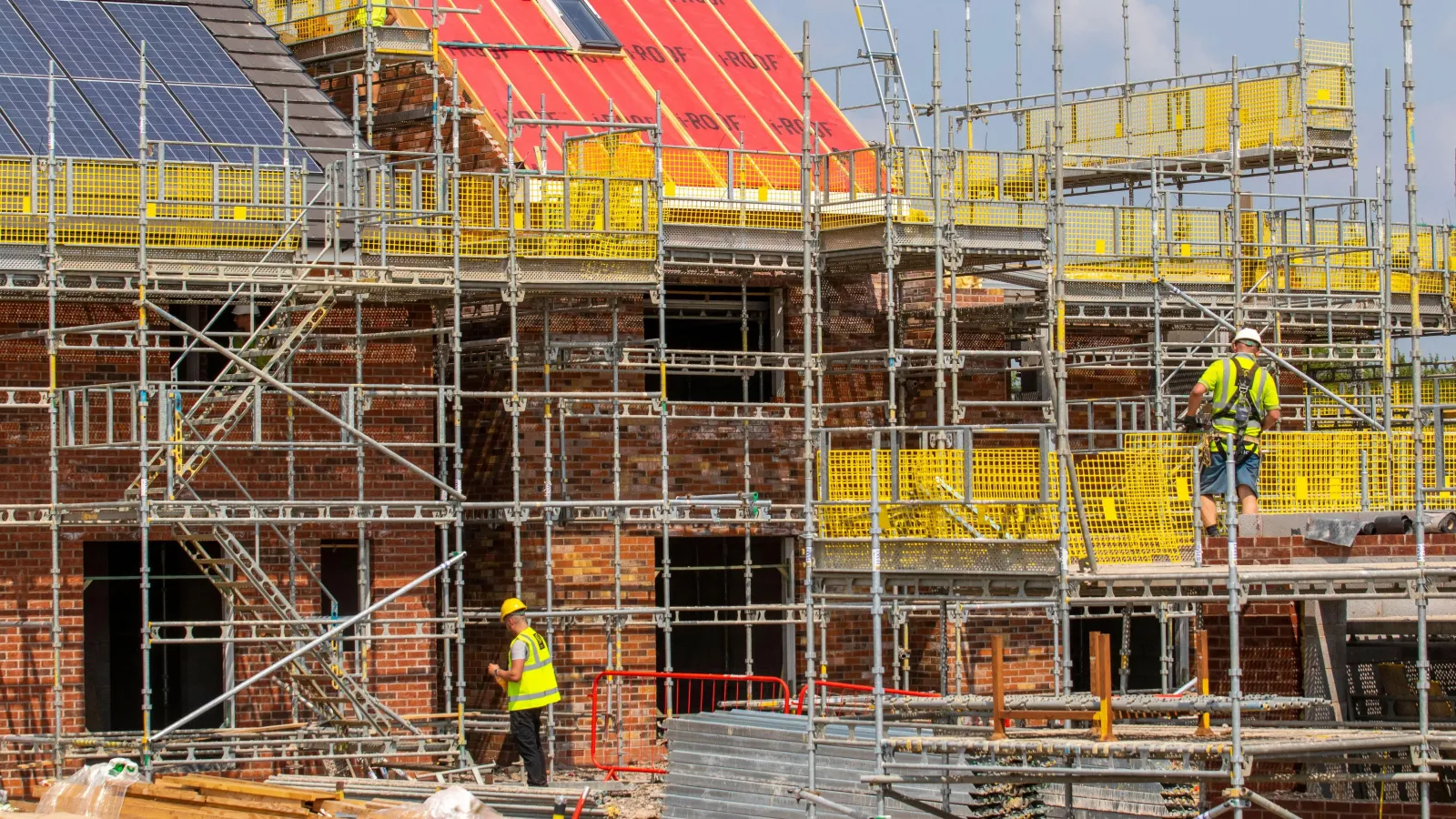
Thousands of new-build properties are scheduled to enter the property market starting next year via the government Your First Home initiative. This housing push aims to deliver an estimated 20,000 new homes for first-time buyers who can purchase them using a 2.5% deposit alongside a 20% government equity loan.
Why you should consider a new-build
Purchasing a new-build property can help buyers enter the property market with a smaller deposit while securing a home equipped with modern conveniences. These residences typically feature new carpets, modern kitchens, contemporary bathrooms, and better energy efficiency than older secondhand houses to keep utility bills down. Every new-build includes a 10-year warranty, such as one from the NHBC arranged by the developer, to cover repair costs. Buyers can also use government options like Shared Ownership, the First Homes scheme, or the upcoming Your First Home initiative which opens for applications in February 2027.
Developer perks for buyers
Various housing developers provide distinct incentives to attract purchasers to their sites. Persimmon Homes offers buyers an extra 5% off the sale price to assist with their deposit requirements. Barratt Homes provides a Deposit Boost option that matches a buyer 5% deposit up to a maximum of £25,000. Meanwhile, Lovell Homes covers the stamp duty bill on select developments to reduce upfront purchasing costs.
Downsides of buying a new-build
While developer incentives look attractive, these offers might simply mask an inflated asking price. New-build properties are approximately 30% more expensive on average than existing homes, according to UK Property Development, with Propertymark noting a national average price of £459,413 over the past 12 months compared to £378,781 for secondhand homes. Buyers must also watch out for estate management fees and service charges, which the Competition and Markets Authority estimates at an average of £358 per year.
What to watch out for
Common property defects include poor ground preparation in gardens, uneven ceilings, unlevel staircases, faulty flooring, mould, and leaks. Tom Britton, founder of HomeSnag, advises looking beyond cosmetic finishes since many frequent flaws remain hidden out of sight. Buyers should check that windows and doors function correctly, ensure plumbing fixtures in baths and sinks are secure, and inspect exterior drainage to verify water flows away from the structure.
Your rights on new-build snagging
Buyers receive specific legal protections when purchasing a new-build property that do not apply to secondhand homes. Developers bear responsibility for resolving snagging issues, including poor workmanship and defective materials, during the first two years after reservation or completion. If a developer fails to resolve a complaint after eight weeks, buyers can escalate the matter to a redress provider like the New Homes Ombudsman, which can award up to £75,000 in compensation for code breaches.
Leasehold warning for new buyers
Flats under the Your First Home Scheme are expected to use the leasehold system, which carries distinct financial risks and communal upkeep duties. Conveyancers should catch hidden service charges or unexpected repair bills before purchase, while upcoming government transparency rules planned for April 2027 aim to give leaseholders more power to challenge rising fees.
Should you buy a new-build?
Experts recommend remaining vigilant and researching the developer background, Home Builders Federation ratings, and reviews before making an offer. Elliot Castle, chief executive of We Buy Any Home, suggests speaking with existing residents on site to understand the daily reality of the location. Buyers should focus on the underlying property value rather than getting distracted by promotional show homes and developer perks.