Iranian AI-Driven Cyber Attacks Target Europe
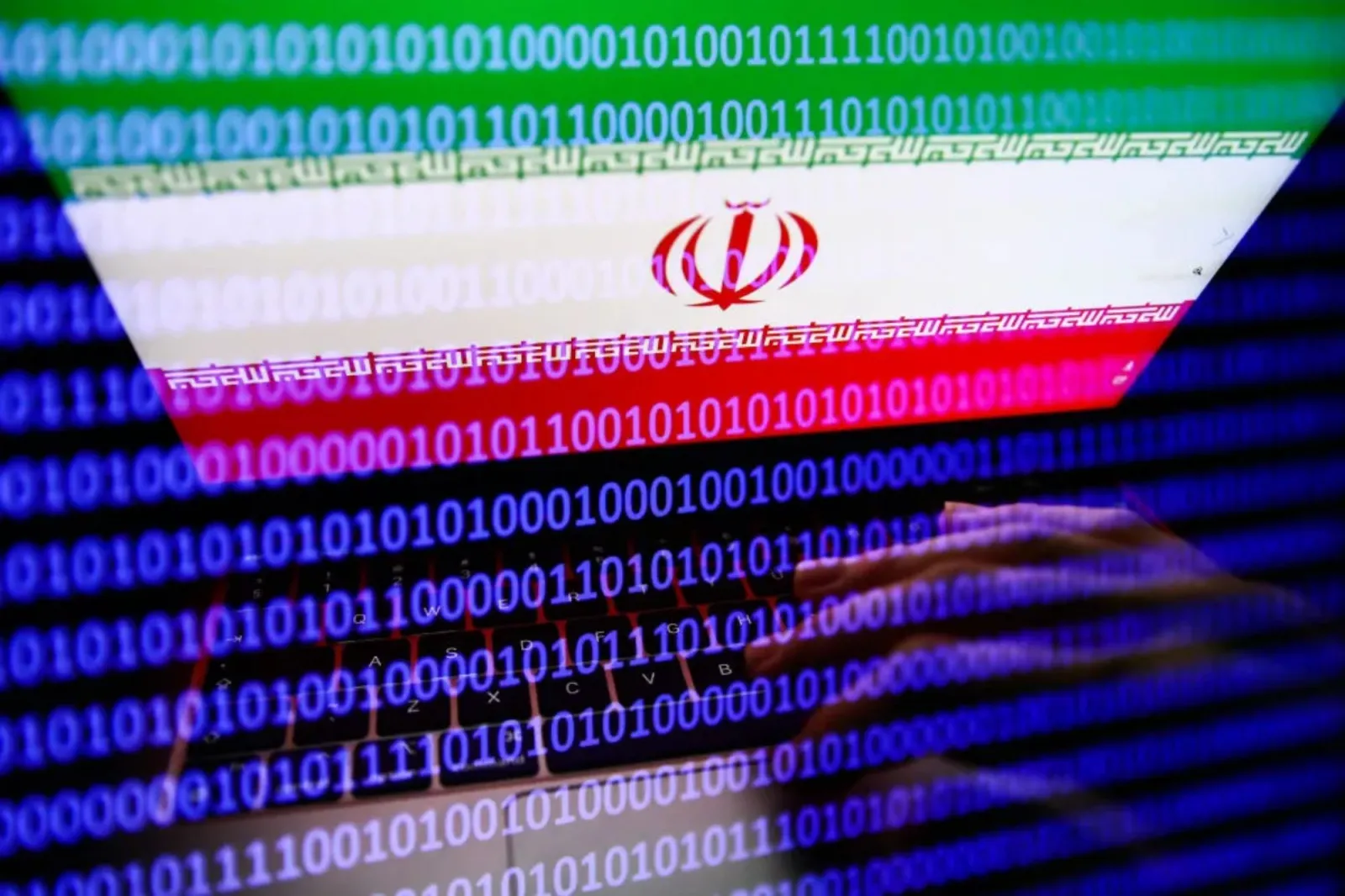
Iran's cyber cells are reportedly weaponising artificial intelligence to strike vulnerable, outdated systems across Europe, potentially plunging parts of the continent into darkness. The attacks have already inflicted tens of millions of pounds in damage by hijacking supermarket coolers to spoil meat and infiltrating critical French blood banks.
Recent Incidents and Damage
The group, known as CyberAveng3rs, has reportedly heated over 700 French supermarket fridges to 80°C, destroying millions of pounds of food and igniting at least 15 fires. Days later, multiple blood banks faced temperature spikes from –30°C to 110°C before staff intervened to protect supplies. French prosecutors have launched a formal investigation and sought international arrest warrants for the unit's leaders, with a $10 million (£7.4 m) bounty already placed on key IRGC cyber chiefs.
Threat to the United Kingdom
Gavin Knapp, head of cyber threat intelligence at Bridewell, warned that Britain could soon become a target. He told The Sun: "The UK supporting war in Iran or having any kind of publicity around that narrative is ultimately going to lead them to target us as well." He added, "That's where you can get hit in the crossfire."
How the Attacks Work
Knapp described the techniques as shockingly crude. "The sophistication of the attack is really low," he said. "Often this group and other aliases like CyberAveng3rs in the past, they've targeted weak, insecure devices. They've been able to either brute-force passwords, use default passwords, or use trivial sort of exploits to actually break into these devices and then mess with settings - turn things up, turn things down." The hackers exploit employee mistakes, outdated internet-connected equipment, and exposed devices on the open web. "A company that has £10 million worth of meats and goods in fridges should not have an internet-connected device that's out there for everyone to look at and be able to probe," Knapp added.
Expert Analysis and Broader Implications
Dr Louise Marie Hurel of the Royal United Services Institute warned that the French incidents should serve as a wake-up call for basic security updates and the removal of factory-set passwords. "We shouldn't overestimate the IRGC's cyber capabilities, but it shows we don't need sophisticated capabilities to have an impact such as what we've seen with the 700 retail units across France being hit by it," she said. Hurel also cautioned that rival powers, including Russia, would closely monitor these breaches to exploit similar weak links in Western networks ahead of major conflict. The rapid rise of AI could amplify previously low-level hacking outfits, allowing them to scale attacks faster. "We're in an age now where a low-sophistication actor can become quite mature leveraging AI. AI is allowing attacks to scale, whether it's developing malware or running something across thousands of hosts," Knapp explained. French Foreign Minister Jean-Noël Barrot described the supermarket hack as an unprecedented scale and aggressiveness, labeling it the first large-scale sabotage attack on French soil. He declared it a "major threat" to French security and promised a response. The Shahid Kaveh Group, also known online as CyberAveng3rs, is an elite gang working for the Islamic Revolutionary Guard Corps (IRGC-CEC). The group's name honors a 25-year-old IRGC commander killed during the Iran-Iraq war. Leaked documents suggest the gang has operated since at least 2020, targeting the US, Israel, and Europe. Their first verified attacks in late 2023 exploited weak passwords to seize industrial control systems, similar to the French fridge incidents. They have targeted energy, water, and waste facilities in the US, with more than 30 Minnesota water systems hit in July. The group also publishes propaganda on Telegram and Instagram, and often plants dormant malware to sabotage systems from within. French intelligence identified three associates connected to the attacks: Hamid Reza Lashgarian, Mahdi Lashgarian and Reza Salarvand. The US has offered a $10 million (£7.4 m) bounty for the Lashgarians and senior IRGC officials Milad Mansuri, Mohammad Bagher Shirinkar and Mohammad Amin Saberian. France has summoned Iran's ambassador following the discovery of Iran-linked IP addresses and Farsi usage. Iran Cyber Unit CyberAv3ngers Linked To Supermarket And Blood Bank Hacks