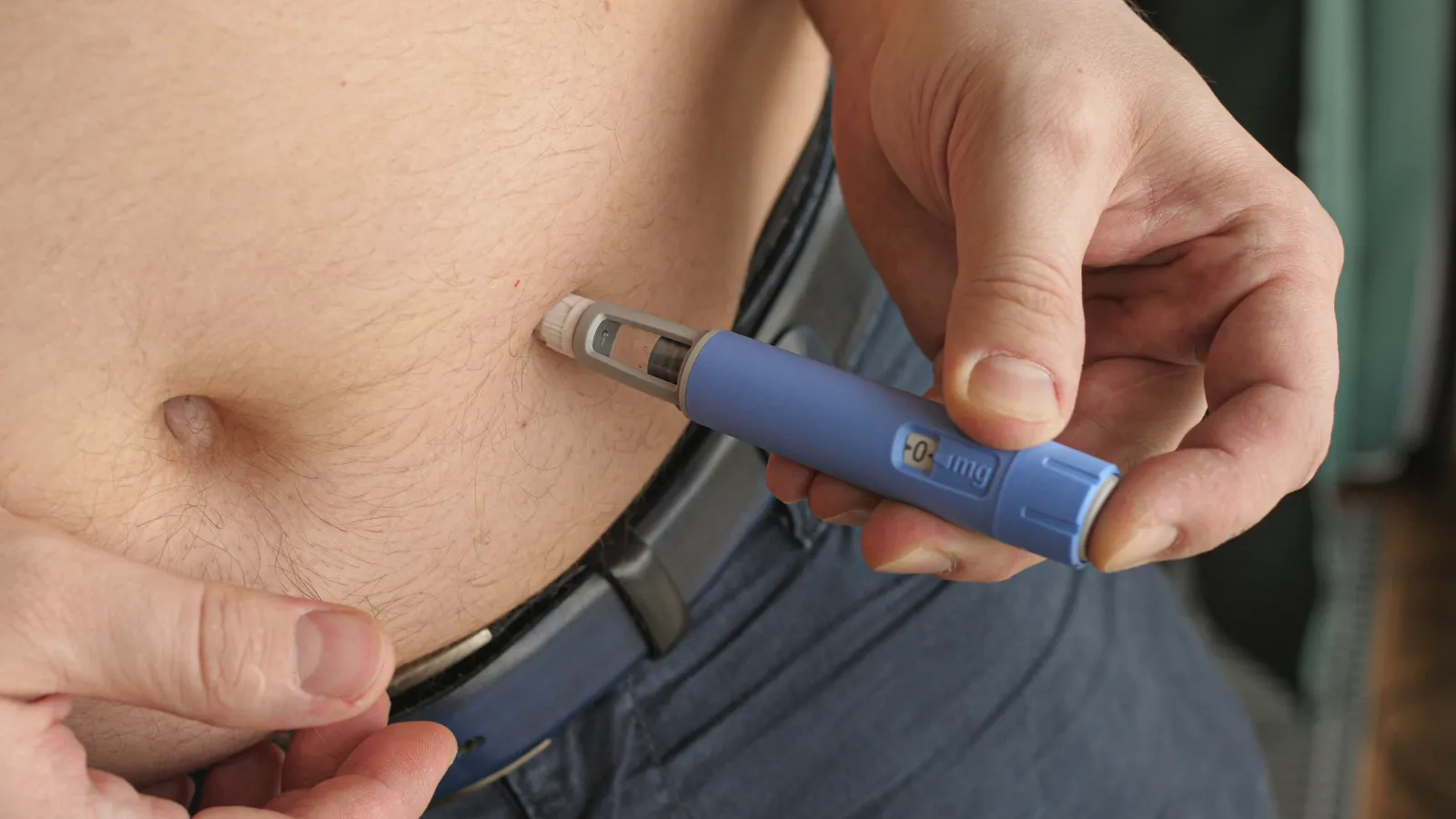
US scientists reported that men who received weight-loss injections such as Wegovy and Mounjaro for a year may see their testosterone rise by up to a third, while estradiol falls and sperm concentration improves.
Study Design and Participants
The research, published in Biomedicines, followed 108 men with low testosterone who were either obese or had type 2 diabetes. Half received semaglutide (Ozempic/Wegovy), the other half liraglutide (Victoza). Baseline and 12-month measurements included BMI, semen analysis and blood samples.
Key Hormonal and Reproductive Changes
After one year, participants' average BMI dropped from 37.5 to 31.3. Sperm concentration increased from 62.9 to 86.7 million/mL, and the proportion of motile sperm rose from 23% to 38%. Total testosterone climbed 31%, from 5.91 to 7.74 nmol/L, while estradiol fell 22%, from 36.5 to 28.4 pg/mL.
Interpretation and Limitations
Researchers cautioned that the findings do not prove the injections alone directly raise testosterone; weight loss itself may mediate the effect. The study lacked a control group and fertility history, so it cannot confirm improved conception rates.
Context from Earlier Studies
Previous US work at St Louis University Hospital showed an 18-month treatment raised healthy hormone levels to 77% of participants. A 2025 Slovenian trial of 13 men reported doubled normal-shaped sperm and increased testosterone after semaglutide use.
Population Impact in the UK
More than 2.6 million UK residents currently use or have used weight-loss injections like Mounjaro or Wegovy. These drugs are thought to have saved the country £780 million in grocery costs, with 8.5% of households having at least one GLP-1 user.
How GLP-1 Injections Work
GLP-1 receptor agonists suppress appetite by mimicking the hormone GLP-1, which signals fullness to the brain. They also slow digestion and boost insulin, lowering blood sugar, a mechanism that originally targeted type 2 diabetes.
Access and Eligibility in the UK
NHS Wegovy is prescribed through specialist weight-loss clinics for patients with BMI ≥30 and a related health condition. Mounjaro is available from GPs for high-risk patients with BMI >35 and multiple weight-related conditions. Private prescribers often offer Mounjaro to anyone with BMI ≥30 or 25-30 and a health risk.
Side Effects and Safety
Common side effects include nausea, bloating, reflux, constipation and diarrhoea. About 1 in 500 users may experience severe acute pancreatitis, according to Dr Sarah Jarvis, GP and clinical consultant at patient.info. Other rare effects involve taste changes, kidney issues, allergic reactions, gallbladder problems and hypoglycaemia. Mental-health effects remain inconclusive.