Britons have been warned to brace themselves for an alarming upsurge in potentially lethal norovirus as the festive period approaches. Rates of the vomiting bug, which can also cause diarrhoea, have risen 28 per cent over the past fortnight. Some 374 lab confirmed reports of the virus have been logged in England over the last two weeks, up from 293 in the first two weeks of November.
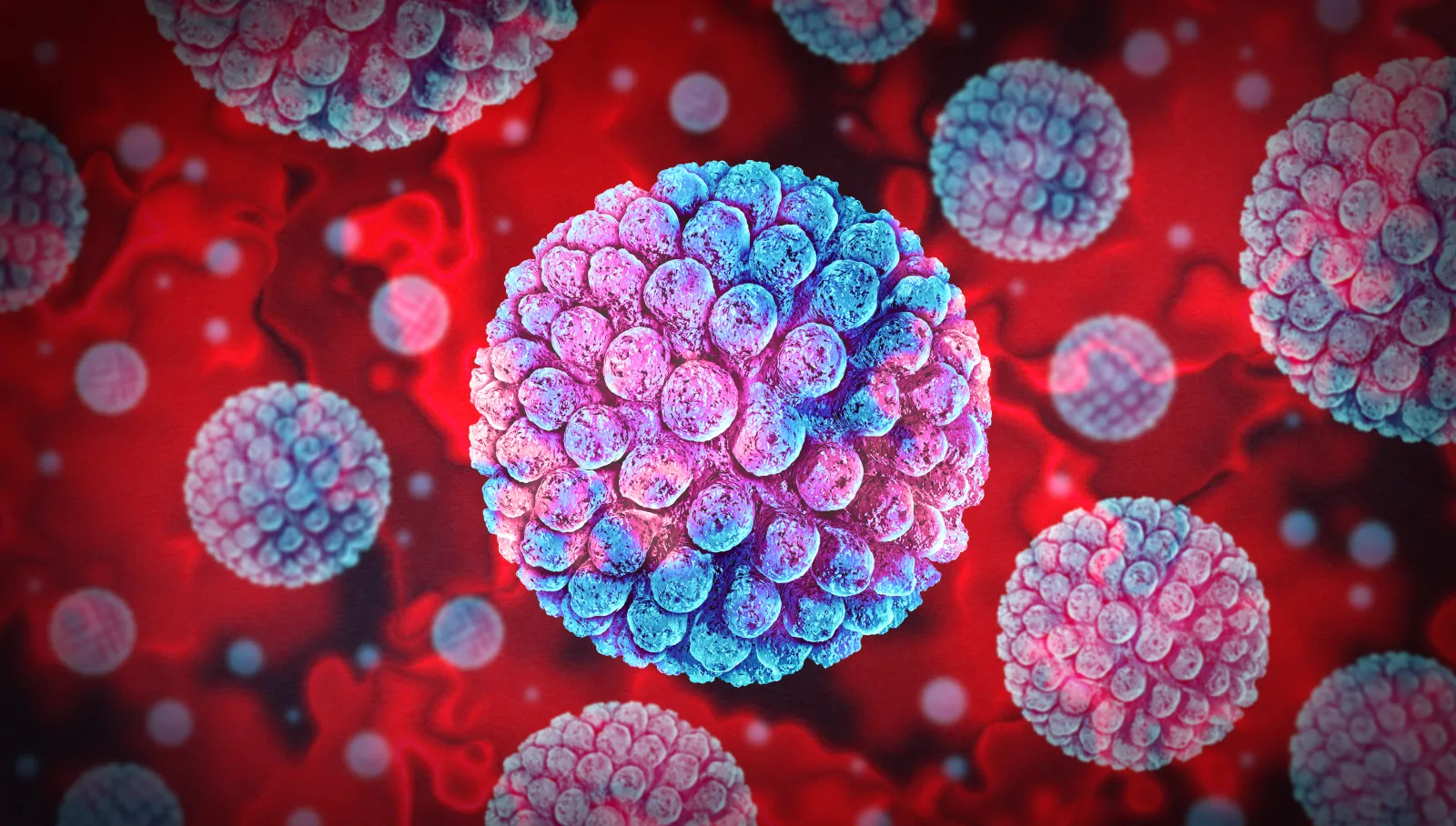
Cases of norovirus, which has been dubbed the "ferrari of the virus world" are also 11 per cent higher than normal for this time of year. The virus is usually spread through close contact with someone who is infected, or by touching surfaces or objects, or eating food someone infected has touched.
Health chiefs already advise against relying on hand sanitisers alone to guard against transmission, as alcohol doesn't kill off the bug. But, experts have also warned not to use certain medications over fears it could worsen symptoms. According to figures released by the UK Health Security Agency (UKHSA), the total number of reported cases this year since July (2,528) is 18 per cent higher than the five year average (2,142).
Scientists said cases remained "within expected levels". However, actual case numbers nationwide may be even higher. This is because the figures are based on positive laboratory reports and NHS hospitals reporting suspected and confirmed norovirus outbreaks.
Most people infected suffer nausea, diarrhoea and vomiting and recover at home. But norovirus can pile pressures on hospitals because infected patients need to be isolated in single rooms or wards need to be closed to new patients to contain the spread.
Experts have also warned that those sickened with the bug should avoid common medicines like antibiotics or anti-diarrheal medicines. Claire Nevinson, Superintendent Pharmacist at Boots, says: "There's no specific treatment for norovirus and, because it's caused by a virus rather than bacteria, antibiotics won't help."
"The most important thing is to rest and keep hydrated," she added. "If you're feeling sick, taking small, regular sips of fluids can make it easier to keep them down."
Medicines like loperamide can reduce diarrhoea, but they're also not always recommended because diarrhoea helps clear the virus, Jason Murphy, Head of Pharmacy at Chemist4U, said. They may be useful for short-term control, for example essential travel, but should be avoided for children or if you have a fever or blood in your stool, he added.
Instead, handwashing is recommended as a first-line defence as water helps break down the protein shell around the virus, rendering it harmless. Patients with particularly severe projectile vomiting and diarrhoea can, however, get anti-sickness medicines from a GP. Rehydration drinks, such as Dioralyte, which replace crucial salts as well as water, can be bought from a pharmacist.
Parents are advised to avoid giving fizzy drinks or fruit juice to children with norovirus, as this can also make the diarrhoea worse.
How to treat D and V bugs and when to call 999
If you've got norovirus, stay at home and rest. Do not return to work or send children to school until 48 hours after the symptoms have stopped. Don't visit your GP or hospital while symptomatic, and if you're concerned about your symptoms, talk to your GP by phone, contact NHS 111 or visit the NHS norovirus webpage.
Drink plenty of fluids to prevent dehydration from vomiting and diarrhoea. Avoid cooking and helping to prepare meals for others until 48 hours after symptoms have stopped, as norovirus can be spread through contaminated food. It is important to wash hands regularly and clean, wash or disinfect thoroughly any contaminated items or surfaces such as clothes, bedding, toilets, taps and door handles.
You might need to speak to a doctor if you're worried about your baby, who is younger than 12 months old, or if your child stops breast or bottle feeding while they're ill. You should also seek medical advice if you think your child under five might be dehydrated, with signs including fewer wet nappies, or if you've used rehydration sachets but still have signs of dehydration.
Other reasons to speak to a doctor include keeping being sick and not being able to keep fluids down, having bloody diarrhoea or starting to bleed from the bottom, or having diarrhoea for more than seven days or vomiting for more than two days. And if you spot blood in your vomit, vomit that looks like ground coffee, green vomit in adults or yellow-green vomit in children, a stiff neck, pain when looking at bright lights, or a sudden, severe headache or stomach ache, it's vital to seek urgent care. Source: UKHSA and NHS.
Background on norovirus transmission and data reporting
The UK Health Security Agency tracks winter gastrointestinal illnesses across England through laboratory surveillance networks and hospital reporting systems. Public health authorities monitor these trends closely during the colder months when indoor mixing increases viral transmission rates. Medical professionals categorise the pathogen as highly contagious because very few viral particles are required to cause an infection in a healthy adult.
Hospital trusts enforce strict infection control policies whenever outbreaks occur within wards to protect vulnerable patients undergoing medical treatments. Environmental health teams emphasise that standard alcohol hand rubs fail against non-enveloped viruses, requiring mechanical soap and water scrubbing to physically remove the particles from skin surfaces. Public health campaigns consistently remind communities about proper food hygiene and kitchen sanitation to prevent secondary household outbreaks during peak seasonal waves.
What happens next for seasonal viral management
National health services prepare for increased winter pressures by issuing guidance for pharmacies, general practices and emergency departments across the country. Healthcare providers urge individuals experiencing gastrointestinal symptoms to use telephone triage services rather than attending clinical waiting rooms directly, thereby reducing potential exposure risks for other patients.
Medical administrators continue to review laboratory data weekly to assess whether community transmission rates remain within baseline expectations or require escalated public warnings. Individuals recovering from the illness must adhere strictly to exclusion periods before returning to workplaces, educational institutions or care settings to break ongoing transmission chains.