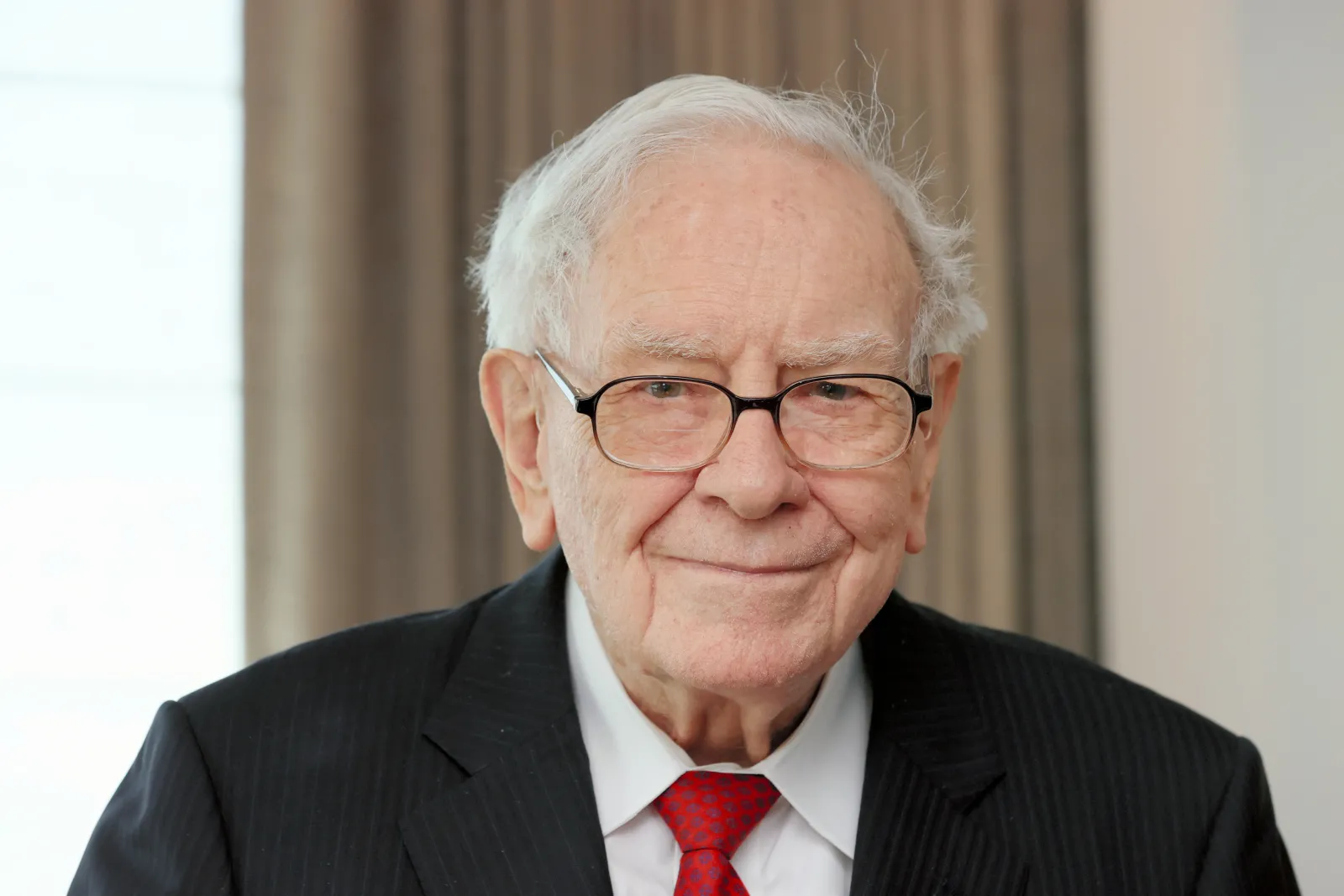
Aspiring investors can learn the wealth-building methods of Warren Buffett, widely regarded as the most successful investor in history. You do not need a million pounds in savings or advanced financial expertise to follow his straightforward principles, and committing just £25 a month can transform modest sums into thousands.
The American financier, born in Omaha, Nebraska, is the son of US congressman Howard Buffett and began his market career early. Through strategic investments, he accumulated an estimated fortune of £104 billion by early 2026. He purchased his first shares at age 11 in the utilities firm Cities Services and later bought land at 14 using $1,200 saved from a newspaper round. Although he stepped down from running Berkshire Hathaway at the start of this year, his established guidelines offer a proven path to success.
Understanding market risks before investing
Before you commit capital, you must understand the financial risks involved. Your returns depend directly on how much you allocate and where you place your funds. Recent events show that the stock market can experience dramatic declines, such as the US market suffering its steepest drop since the start of the Covid pandemic following President Donald Trump announcing punitive tariff plans for imported goods. The UK FTSE 100 index fell by more than 10 per cent in response.
Investors must be prepared to lose everything, meaning you should only risk money you can comfortably sacrifice. Experts advise keeping cash locked away for at least five years to ride out market dips and let your holdings recover. Additionally, you should maintain a minimum of six months of wages in a savings account before starting, and drip-feeding funds gradually is generally safer than making a single lump sum contribution.
Rule 1: Be careful following hype
This principle warns against blindly following the crowd. When large numbers of investors chase the exact same assets, market hype drives prices upward, which means you might end up paying over the odds. Warren Buffett advises caution whenever an investment becomes overhyped, noting that classic warning signs include novices piling in or seeing stocks recommended on social media platforms.
He also encourages bravery when other market participants turn pessimistic and share prices drop, as this allows you to acquire strong assets at bargain rates. You can evaluate a company by reviewing financial reports to check its profits and future plans. For instance, Warren Buffett invested £3.72 billion ($5 billion) into Bank of America in 2011 following the global financial crisis when banks were unpopular, generating a profit of about $12 billion by 2017.
Rule 2: Hold onto investments for more than 10 years
Long-term holding forms the core of Warren Buffett and his philosophy. He famously stated that if you are not prepared to hold shares for ten years, you should not consider holding them for even ten minutes. Short-term price swings often cause panic selling, but staying invested through extended periods allows you to benefit when markets eventually recover.
This strategy proved successful with his investment in Coca-Cola, which began in 1988 and grew to 400 million shares worth $1.3 billion by 1994. Berkshire Hathaway still holds these exact shares, which are currently valued at $32.5 billion. Investors can apply this rule by focusing on a business competitive edge rather than chasing short-term price spikes.
Rule 3: Invest in what you know and understand
Warren Buffett maintains that focusing on familiar sectors is vastly superior to trying to master every industry. Dan Coatsworth, head of markets at AJ Bell, explains that unless you fully comprehend how a firm generates revenue, who its rivals are, and what risks exist, buying the shares may not be worth the effort.
This cautious approach protected him during the dot com boom of the late nineties, when internet stocks soared before the bubble burst in 2001. When evaluating current hot sectors like Artificial Intelligence, investors should research company fundamentals thoroughly using platforms like Investegate, Morningstar, Hargreaves Lansdown, and Interactive Investor before committing capital.
Rule 4: Don't forget about investment fees
Using an investment platform incurs charges to hold or manage your assets, and every penny paid in fees reduces your overall returns. Warren Buffett frequently highlights the necessity of keeping costs low, as small fee differences accumulate significantly over long periods. For example, investing £500 with a 5 percent annual growth rate could yield £1,580 after 30 years with 1.5 percent fees, but would grow to £2,140 if fees are kept at 0.5 percent.
Investors can follow this rule by selecting appropriate low-cost apps and reviewing current charges to switch providers if necessary. Lightyear offers accounts with no platform fee and zero trading commissions, allowing users to start with just £1. Switching providers simply requires opening a new account and letting the new platform handle the transfer of your old details.
Rule 5: Buy low, sell high and diversify
Buying low and selling high remains a fundamental rule because purchasing assets at depressed prices increases your potential profit when values rise. Warren Buffett achieves this by selecting quality companies, buying at attractive prices, and holding them for the long haul. Nehal Desai, senior investment director at Rathbones, notes that he views shares as ownership stakes in real businesses rather than lottery tickets.
You can apply this method by choosing a well-diversified, low-cost fund to avoid putting all your eggs in one basket. The Fidelity World Index invests in thousands of global companies while charging a fee of just 0.12 percent. Setting up a regular monthly investing plan allows you to benefit from pound cost averaging, where you automatically buy fewer shares when prices are high and more when prices fall. Investing £25 a month into the Fidelity fund for 10 years would have turned a total investment of £1,200 into £5,935.