As 2026 is almost over, and as we head into the new year, with a new Congress, many are wondering what is ahead for the us economy. Barring any catastrophic events, including an artificial intelligence or crypto bust, a terror attack, or more war in the Middle East or elsewhere, the overall trajectory has remained steady. In fact, the broader financial system and the small businesses that employ half of our workers and make up almost half of our gross domestic product seem to be doing just fine. Then again, the reality of the situation depends entirely on who you ask.
On the downside, producer prices are up, with increases running more than 6 percent over the past year. That does not bode well for inflation in the months ahead. Higher sustained inflation means not only higher costs, but potentially higher Treasury yields and higher-than-average mortgage rates, which have contributed to the big fall in existing home sales. People in the real estate sector are hurting as borrowing constraints tighten across the housing market.
Speaking of interest, the U.S. Federal Reserve is likely to raise interest rates again before the end of the year, which will make the cost of borrowing higher, noting that the prime rate for business loans is now at 7 percent. The New York Federal Reserve reports that household debt is historically high, and approximately 5 percent of outstanding household debt was delinquent, up from 4.7 percent in the preceding quarter. Approximately 135,000 consumers had new bankruptcy notations added to their credit reports, according to the same report.
However, inflation excluding gas has cooled a bit, oil is flowing through the Strait of Hormuz, and prices at the pump have fallen below $4 on average for the first time since July. Credit card debt also reached record levels, but the rate at which balances transition into serious delinquency improved slightly. This gives consumers more ability to spend as the holiday shopping season gets underway.
And what about those consumers? They drive everything, and they are not slowing down. Retail sales continue to increase across major retail chains. Target says more shoppers are visiting their stores ahead of the holiday season. The National Retail Association is predicting a 4.2 percent growth in holiday sales over last year. Visa is expecting a record increase in holiday spending at retailers, while Adobe is saying that consumers will spend 6.7 percent more online than the previous holiday season, which is great news for merchants.
There is also good news for small businesses navigating the current financial climate. American Express, which started Small Business Saturday, says that the annual shopping day after Black Friday will be another success, with 88 percent of consumers they surveyed saying they are likely to shop at small businesses this holiday season, which marks the highest percentage since 2012.
Small businesses, overall, appear to be weathering the challenges of higher costs, tariffs, and a tight job market. Many are uncertain about what is ahead, but according to one survey from payroll and HR provider Gusto, 86 percent of small-business owners say their companies are meeting or exceeding their original expectations and that they are confident in their own abilities to grow and profit. The National Federation of Business is closely watching the Small Business Optimism Index, which declined slightly last month, just below its historical average, while its Uncertainty Index fell even more.
The Institute for Supply Management reports that economic activity in the manufacturing sector expanded in October for the 10th consecutive month. The services sector also continued its record expansion in October, which, according to the Institute for Supply Management, marks the 28th consecutive month in expansion territory. Orders for durable goods also jumped higher than anticipated, pointing to sustained industrial demand.
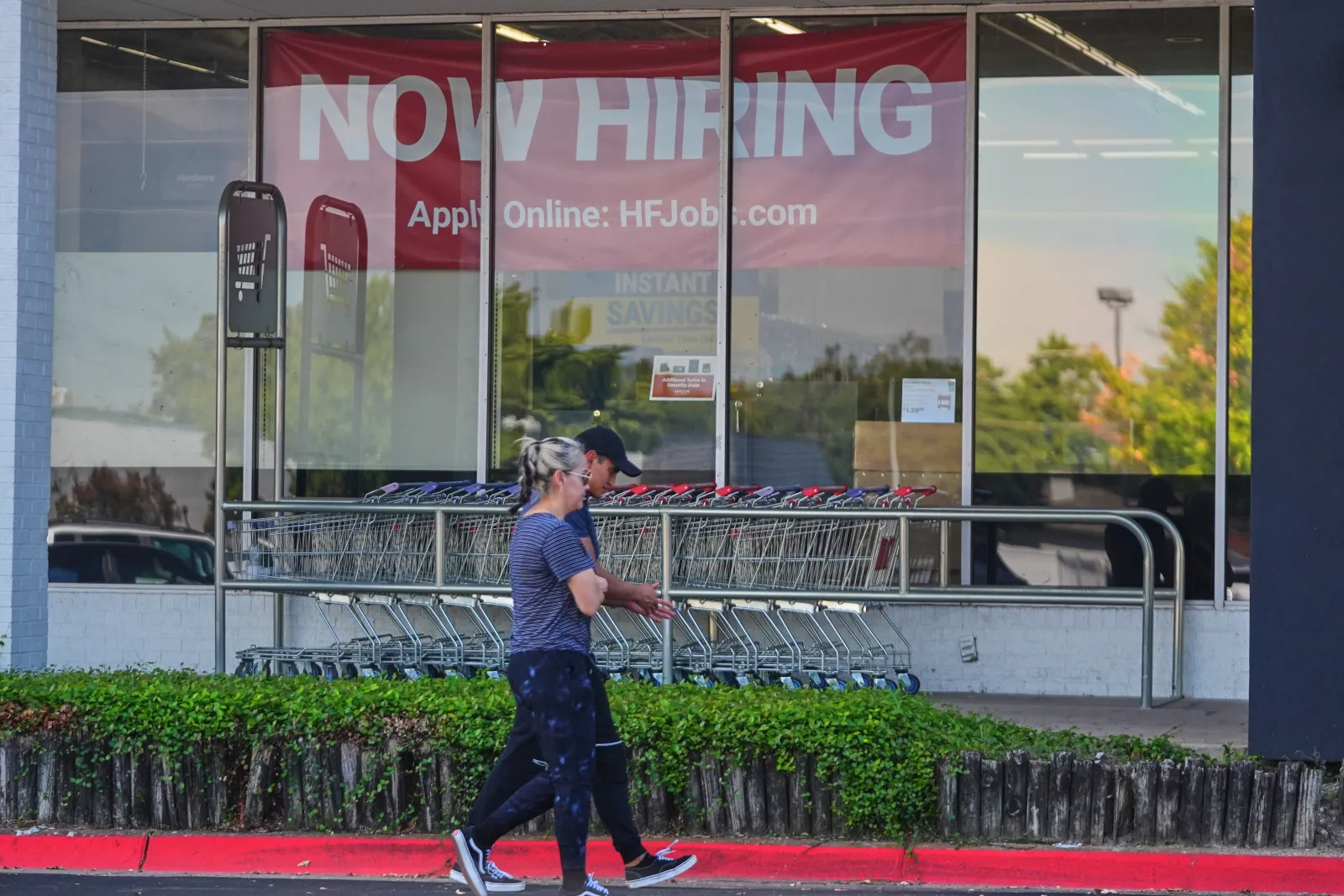
The job picture still looks pretty good, too, for workers across various sectors. Human resources firm Paychex says that small employers are showing resilience and continuing to add jobs, although hourly rates are still lagging inflation. ADP reports that private-sector employees added 86,000 new jobs just in October, and that overall gross pay increased 4.7 percent year over year. Unemployment claims remain at historically low levels, providing a buffer for households.
So what does this all mean for the public? It means that the United States economic framework is doing well overall. But that does not mean it is doing well for everyone, because it never does well for every single person simultaneously. There are hundreds of millions of people in this country and more than 30 million small businesses operating across diverse markets. How they are faring depends on things like where they are located, what industry they are in, how the weather is, and whether or not their business or livelihood is exposed to factors like tariffs and oil prices that are completely out of their control.
When you hear that the domestic financial system is good, bad, strong, or weak, always remember that it depends on where the data is coming from and who you are asking. Gene Marks, founder of the Marks Group, a small-business consulting firm, notes that the perspective changes based on individual circumstances. So how is the economy? It seems pretty good, but then again, that depends.
Understanding Gross Domestic Product and Small Businesses
Gross domestic product serves as the primary gauge of total economic activity within the United States. Small businesses make up almost half of this total output and employ roughly half of the American workforce. Their day-to-day operations reflect consumer demand, supply chain stability, and local labor market conditions. When consumer spending remains robust, these independent enterprises generate revenue that supports local communities and drives broader financial expansion.
Inflation and Producer Price Dynamics
Producer prices track the average changes in prices received by domestic producers for their output. When these wholesale costs rise faster than historical averages, businesses face difficult choices regarding profit margins and consumer pricing. Sustained producer inflation eventually trickles down to retail shelves, affecting household budgets and purchasing power. Central banks monitor these indices closely to determine monetary policy adjustments and benchmark borrowing costs.
The Role of the Federal Reserve and Interest Rates
The Federal Reserve acts as the central bank of the United States, managing monetary policy to promote maximum employment and stable prices. By adjusting the federal funds rate, the central bank influences borrowing costs for commercial banks, businesses, and individual consumers. Higher interest rates aim to cool runaway inflation by making loans more expensive, which can concurrently dampen activity in interest-sensitive sectors like real estate and manufacturing.
Household Debt and Consumer Credit Trends
Household debt encompasses mortgages, auto loans, student loans, and credit card balances held by American consumers. Regional Federal Reserve banks track these financial obligations to assess consumer health and delinquency rates. While moderate debt usage facilitates commerce and homeownership, rising serious delinquencies and bankruptcy filings signal financial distress among vulnerable segments of the population, even during periods of strong macroeconomic growth.
Retail Sales and Holiday Shopping Projections
Retail sales data measures the total receipts of retail store establishments and online merchants over a given period. Analysts rely on these figures to gauge consumer confidence and spending momentum ahead of major retail events. Major financial institutions and retail associations issue forecasts based on historical trends, consumer surveys, and early shopping indicators to project economic performance during the critical final quarter of the year.