Millions of households could slash broadband and mobile bills by more than £400 a year, and consumer research reveals how customers can cut these regular expenses. Brits could pocket hundreds of pounds annually by ditching pricey telecommunications contracts. For those who prefer staying put, a quick negotiation with their existing provider can also reduce monthly outlays.
Customers saved an average of £429 a year by switching their broadband and TV bundle and moving from a handset-inclusive mobile contract to SIM-only, according to findings from the consumer champion Which? organisation. The watchdog surveyed more than 5,000 telecoms customers whose contracts had ended in the past year. Results showed that substantial savings were available, with customers leaving some of the biggest providers achieving the largest reductions. Despite these opportunities, many people let their contracts roll on automatically without checking for cheaper alternatives.
Keep your phone but ditch the pricey deal
If your phone is paid off and still working perfectly well, you could save a packet by switching to SIM-only. These deals cover your calls, texts and data without making you fork out for a new handset. Customers who moved from a contract including a phone to SIM-only saved an average of £258 a year, Which? found. Yet more than one in ten mobile customers, specifically 13 percent, did nothing when their contract ended. That compares with just 5 percent of broadband customers and 2 percent of those with a broadband and TV bundle. Office of Communications figures show 41 percent of mobile customers were out of contract in 2025, meaning millions had a chance to hunt down a better offer. Customers who switched away from EE saved an average of £161 a year, while those leaving O2 pocketed £142. So before signing up for a shiny new handset, ask yourself whether your current one has a bit more life left in it.
Give your broadband bill a shake-up
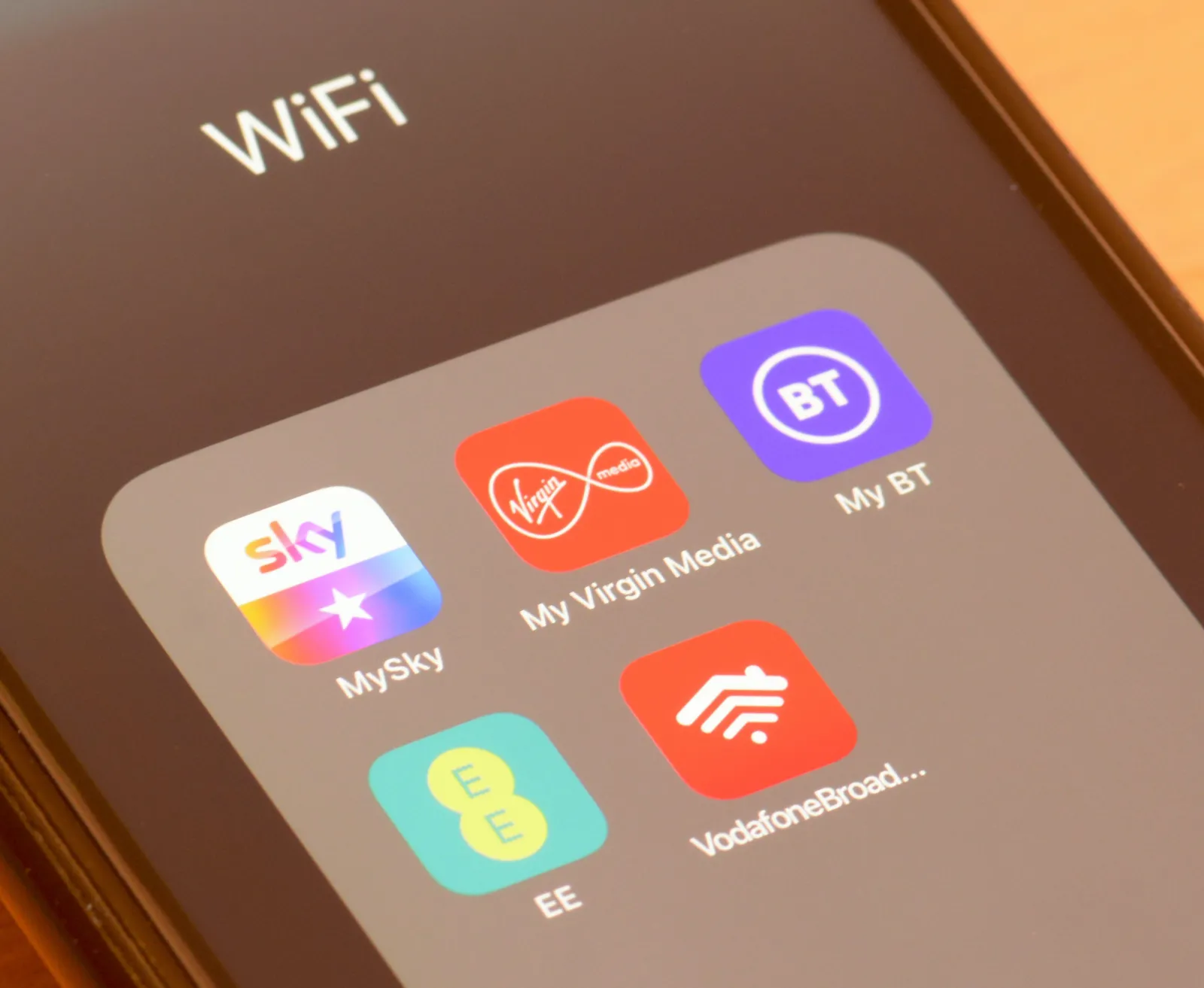
It is not just your mobile bill that could do with a trim. Customers who switched their broadband and TV bundle saved an average of £171 a year. Those who moved their broadband alone saved £106. And some customers saved even more when they waved goodbye to the biggest firms. Broadband customers leaving BT cut their annual bills by an average of £162. Those ditching Virgin saved £149, while customers leaving EE saved £126. For broadband and TV bundles, customers switching away from Sky saved an average of £265 a year. Meanwhile, those leaving Virgin saved £188. Your own saving will depend on what you pay now and the deal you pick.
Do not want to switch? Get haggling
Happy with your provider? You do not have to jump ship to bag a better deal. Getting in touch and asking for a cheaper price could do the trick. More than half of customers who successfully negotiated a new deal got their bills reduced, Which? found. That included 56 percent of broadband customers, 59 percent of broadband and TV customers and 54 percent of mobile customers. Virgin broadband customers who haggled saved an average of £60 a year, while BT customers saved £59. For broadband and TV, Sky and Virgin customers saved £96 on average. Meanwhile, EE mobile customers saved £70 and iD Mobile customers saved £69. Before you get in touch, check what rival providers are offering so you have a price to aim for. Then ask your current firm whether it can match or beat it. And do not be dazzled by extra channels or faster speeds if all you really want is a smaller bill. Which? found 51 percent of broadband customers who negotiated a better deal were offered an upgraded package, while 42 percent got the same package for less.
Do not let the faff put you off
Think switching sounds like too much hassle? Most customers who did it said it was easy. That was the verdict from 84 percent of standalone broadband and mobile customers surveyed who switched when their contracts ended. For broadband and TV customers, the figure was 77 percent. Services such as Text to Switch and One Touch Switch have also made moving providers easier. Natalie Hitchins, Which? head of home products and services, said: "Loyalty rarely pays when it comes to telecoms. With many households facing unavoidable price rises in the new year, broadband and mobile are bills where consumers have real power to keep costs down. Our research consistently shows that smaller providers often outperform their larger rivals, not just on price but also on customer service and reliability. Consumers should be prepared to vote with their feet and switch if they are not getting good value, as there could be hundreds of pounds to be saved."
Background on UK Telecommunications and Market Regulation
The telecommunications sector in the United Kingdom comprises several major network operators and virtual providers competing for millions of household subscribers. Regulatory oversight by the Office of Communications ensures that consumers have access to clear information regarding contract end dates and switching mechanisms. Over recent years, regulatory interventions have introduced streamlined processes to reduce barriers to movement between competing firms. These measures include automated end-of-contract notifications and simplified switching procedures designed to empower users to seek better market rates. Historical data consistently indicates that a significant proportion of consumers remain on legacy out-of-contract tariffs, frequently paying higher rates than new subscribers.
What Happens Next for Out-of-Contract Consumers
Consumers facing expiring fixed-term agreements can review their current tariff details and assess market alternatives. Regulatory frameworks require providers to notify customers when their initial minimum term concludes, detailing any changes to pricing that will apply if no action is taken. Industry analysts suggest that proactive engagement by subscribers will continue to drive competitive pricing strategies across both mobile networks and fixed-line broadband suppliers. Individuals may also explore best fibre broadband deals 2026 to evaluate alternative network packages available in their local exchange areas.