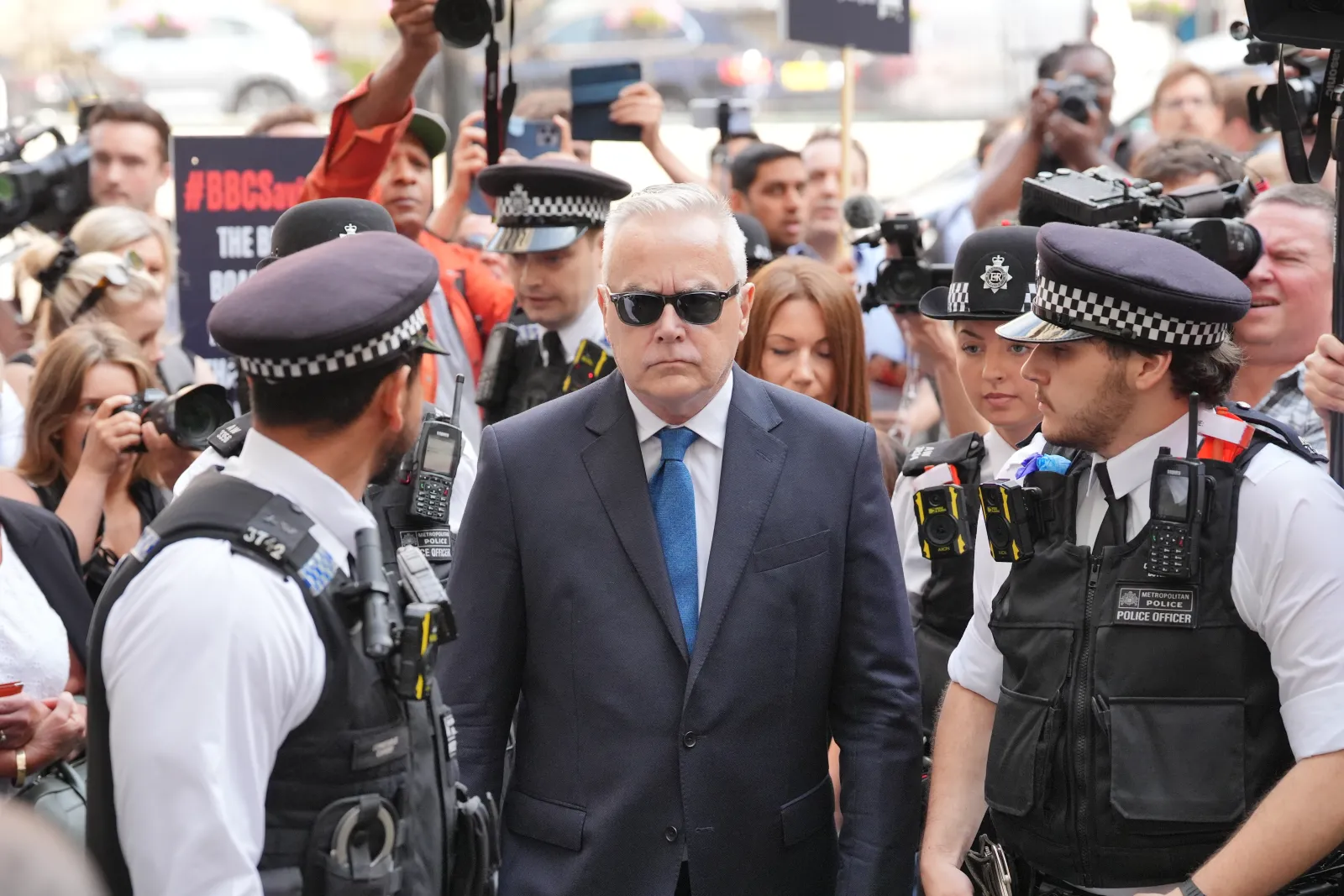
Major companies including Tesco, Boots and Aldi will not advertise during Huw Edwards, 65, and his upcoming Channel 4 doc on Tuesday despite running commercials in the same slot last week. The Sun approached more than 20 firms whose adverts were broadcast on the channel between 9pm and 10pm last Tuesday.
At least seven of those companies told The Sun on Sunday they have not booked the same time slot for next Tuesday, December 1st, when the programme featuring Huw Edwards and his pitiful poor me story is due to be shown. Among them are Tesco, Boots and Aldi.
Huw Edwards was handed a six-month suspended sentence in 2024 for possessing 41 vile images of kids, some as young as seven. The doc, which was filmed over the course of nearly a year, will follow the former broadcaster at home in rural Wales, far from London and the high-profile career he brought crashing down after his criminal conviction.
In the trailer for Huw Edwards faces backlash over poor me documentary, the paedophile ex-BBC presenter reacts angrily when asked to explain his crimes. Edwards, who appears with a large gash down one side of his face, is asked what do you think you were doing, and he replies that you want me to analyse what I was doing, adding that he had lost the plot.
Eleanor DeLong, Executive Director at advertising agency Very Media, said that advertisers have always been conscious of the programmes their ads appear around. She noted that TV buyers routinely manage where and when spots are scheduled to make sure brands appear in the right environments, just as digital advertisers have used brand-safety tools for years to automatically prevent their ads from appearing alongside content identified as sensitive or unsuitable, and for brands, it is ultimately about protecting their reputation and making sure there is no ambiguity about where they stand.
A TV insider said that companies are fearful their brand names or products could be associated with a convicted paedophile. The expert, who did not want to be named, said that Channel 4 will have a long-running agreement with other companies to fill the slots, but no company in their right mind will be choosing that particular time slot for their adverts, as companies are fearing the backlash they may get and executives are worrying it might cause mass protest online or reputational harm.
There are famous faces on some of their adverts and they have to consider the reputations of their clients, while it has caused a lot of worry. A standard one-hour slot on Channel 4 typically includes three commercial breaks capped at three minutes and 50 seconds, and individual adverts usually last 10 to 30 seconds. During Channel 4's one-hour slot from 9pm to 10pm last Tuesday, about 42 adverts were aired from 28 different companies, including Tesco's Christmas ad featuring Roisin Conaty and Anna Maxwell Martin.
Channel 4 has been accused of giving airtime to a predator with campaigners fearing Edwards, 65, will use the doc to paint himself in a more sympathetic light. Sunday Times journalist Rosamund Urwin, who jointly led the paper's 2023 investigation into rapist Russell Brand, wrote that an unbelievable terrible fix is quite the euphemism for someone viewing abuse images of victims as young as 7.
Sangita Myska, a former BBC Radio Four presenter, added that the rehabilitation of Huw Edwards' reputation via a personal journey documentary is contemptible, calling him a sex offender and asking what the hell Channel 4 is thinking. Channel 4 faces backlash over Huw Edwards documentary as Downing Street blasts Huw Edwards documentary as Channel 4 faces outrage across the country.
The Sun's exposure of Edwards' vile behaviour came when he was at the height of his fame. In 2023 we reported that a high-profile BBC star had paid thousands of pounds for sordid pictures, and Edwards was eventually named publicly by his wife. His court case the following year heard Edwards paid between £1,000 and £1,500 for sick images sent to him by a paedophile, and Edwards described them as amazing.
Asked if he wanted sexual images of a person whose age could be discerned as being between 14 and 16, Edwards replied yes xxx. Channel 4 has been contacted for comment regarding the advertising boycott and the scheduling of the controversial broadcast.
Background on the Broadcaster and Advertising Standards
Channel 4 is a British public-service television broadcaster funded primarily through commercial advertising revenues. Operating since 1982, the network broadcasts a wide range of entertainment programmes, news bulletins and documentaries across the United Kingdom. Advertising slots on the network are sold to corporate brands months in advance through media buying agencies and direct agreements. When controversial programming is scheduled, corporate partners and commercial clients frequently review their media placements to ensure alignment with corporate social responsibility guidelines.
Brand safety protocols in the television industry allow corporate marketers to audit broadcast schedules and exclude specific genres or sensitive titles from their media plans. Major retailers and consumer goods manufacturers spend millions of pounds annually on television advertising campaigns, particularly during the fourth quarter ahead of the Christmas shopping period. Advertising executives monitor audience reception and public sentiment closely to shield corporate trademarks from association with criminal acts or severe public controversies.
Legal Proceedings and Public Scrutiny of the Broadcaster
Huw Edwards was a prominent news anchor and presenter for the British Broadcasting Corporation (BBC), hosting major national events including royal weddings and national elections over a career spanning decades. Public scrutiny intensified following investigative journalism reports and subsequent legal proceedings that established his conviction for possessing indecent images of children. Following his sentencing, media organisations and public figures debated the ethics of producing biographical documentaries concerning individuals convicted of sex offences.
Media watchdogs and advocacy groups monitor television output to ensure compliance with broadcasting codes regarding harmful content and protection of minors. The decision by multiple high street brands to withdraw commercial spots from the scheduled broadcast slot reflects broader corporate caution regarding reputational risk in contemporary media markets. Channel 4 maintains editorial independence in commissioning investigative programmes and personal documentaries, though editorial choices frequently generate intense public debate and scrutiny from viewers, politicians and commercial partners alike.