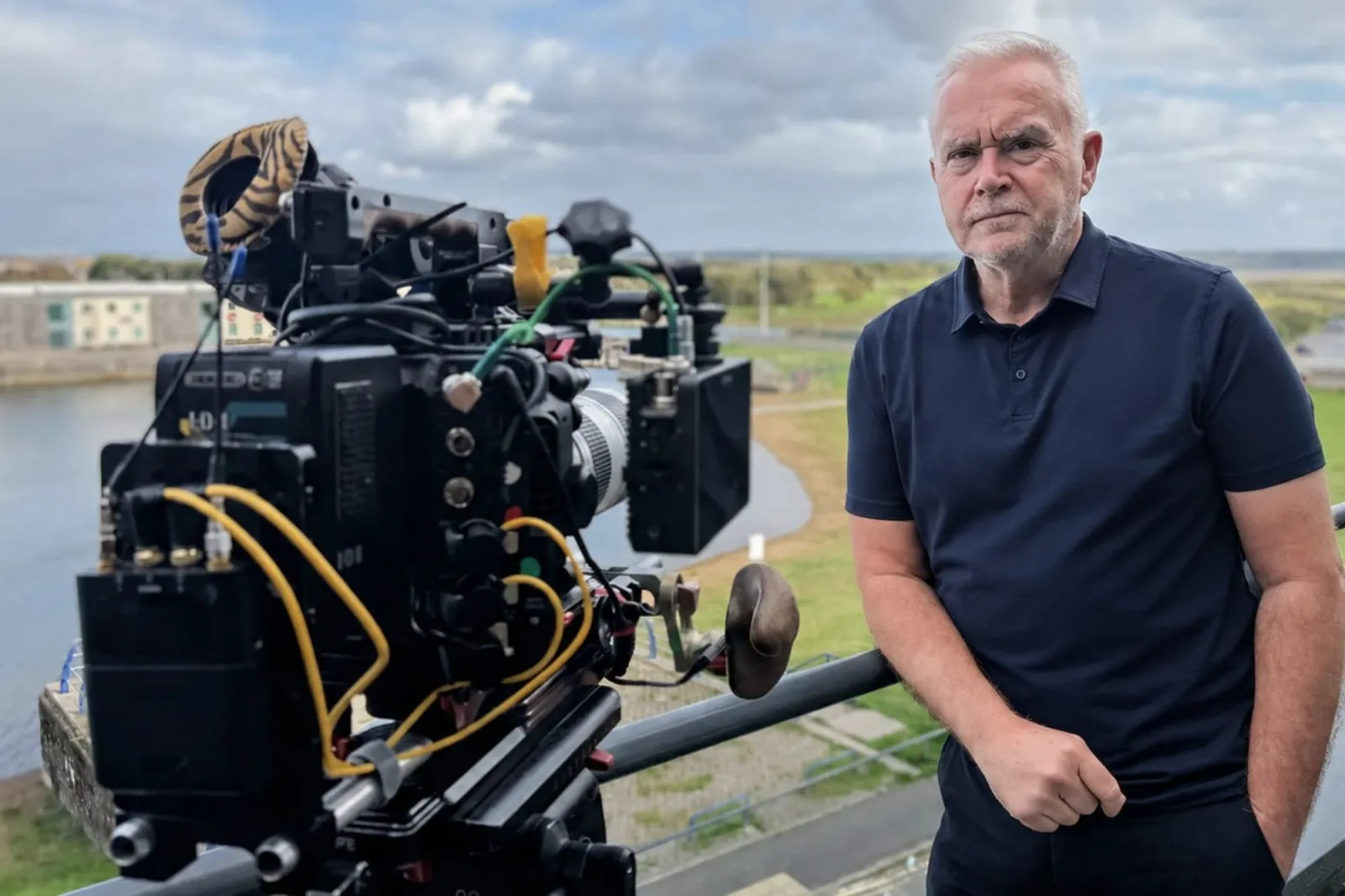
Broadcaster Channel 4 faces intense public outrage over its decision to give disgraced journalist Huw Edwards a television platform to discuss his child abuse offenses. Critics argue that providing a major broadcast outlet for a convicted offender to explain his actions is deeply insulting to survivors of child sexual abuse.
The upcoming programme features Edwards attempting to address his crimes, with a promotional trailer describing his possession of illicit material as a fix he encountered. His illegal acts occurred between December 2020 and August 2021, while he continued anchoring high-profile news broadcasts for the British Broadcasting Corporation (BBC).
Edwards previously wrote on a Substack blog that he was suffering from severe depression when he committed the offenses. Child protection campaigners and critics maintain that mental health struggles do not excuse or explain the distribution and possession of horrific abuse material involving young victims.
The broadcast includes no input from safeguarding experts or survivors of abuse. Observers note that the production risks sending a damaging message that wealthy public figures receive preferential treatment and sympathy rather than accountability.
Background on the Huw Edwards Case
Huw Edwards was once one of the most prominent news anchors in the United Kingdom, recognized globally for leading major royal and political broadcasts for the BBC. His career collapsed following criminal investigations into his possession of indecent images of children. The legal proceedings exposed conduct that shocked viewers who had watched him on television daily for decades.
The fallout from his arrest led to his departure from the BBC and widespread condemnation across the media industry. Public anger intensified as details emerged regarding the nature of the images he collected and shared. Media watchdogs and advocacy groups have continuously scrutinized how traditional networks handle coverage of powerful figures implicated in serious crimes.
The Role of Channel 4 and Media Platforms
Channel 4 has faced severe criticism from politicians, charities, and the public for commissioning projects that feature convicted criminals. Critics point out that Downing Street blasts Huw Edwards documentary as broadcasters struggle to justify platforming individuals convicted of harming children. The decision to air the project has also drawn comparisons to other media controversies where public figures accused of misconduct attempt to manage their public image through exclusive interviews.
Media analysts have highlighted the ethical dilemmas networks face when balancing controversial subject matter with public interest. The involvement of print publications like The Observer in interviewing the former anchor has further fueled debates about journalistic responsibility. Many argue that rehabilitation narratives should prioritize victim support rather than giving perpetrators an uncritical space to air personal justifications.
Impact on Survivors and Accountability
Advocates for survivors of child sexual abuse emphasize that images of abuse cause continuous, lifelong trauma for the victims involved. Each time such material is viewed or shared, the harm inflicted upon the child is renewed. The ongoing discussion surrounding Huw Edwards faces backlash over Poor Me documentary demonstrates the deep sensitivity required when reporting on crimes against minors.
Public figures and commentators continue to question the legal consequences faced by high-status offenders compared to ordinary citizens. Critics argue that non-custodial sentences and media appearances fail to deliver true justice for acts that destroy young lives. The ongoing debate underscores a broader societal demand for stricter accountability and greater protection for vulnerable children across all sectors of society.