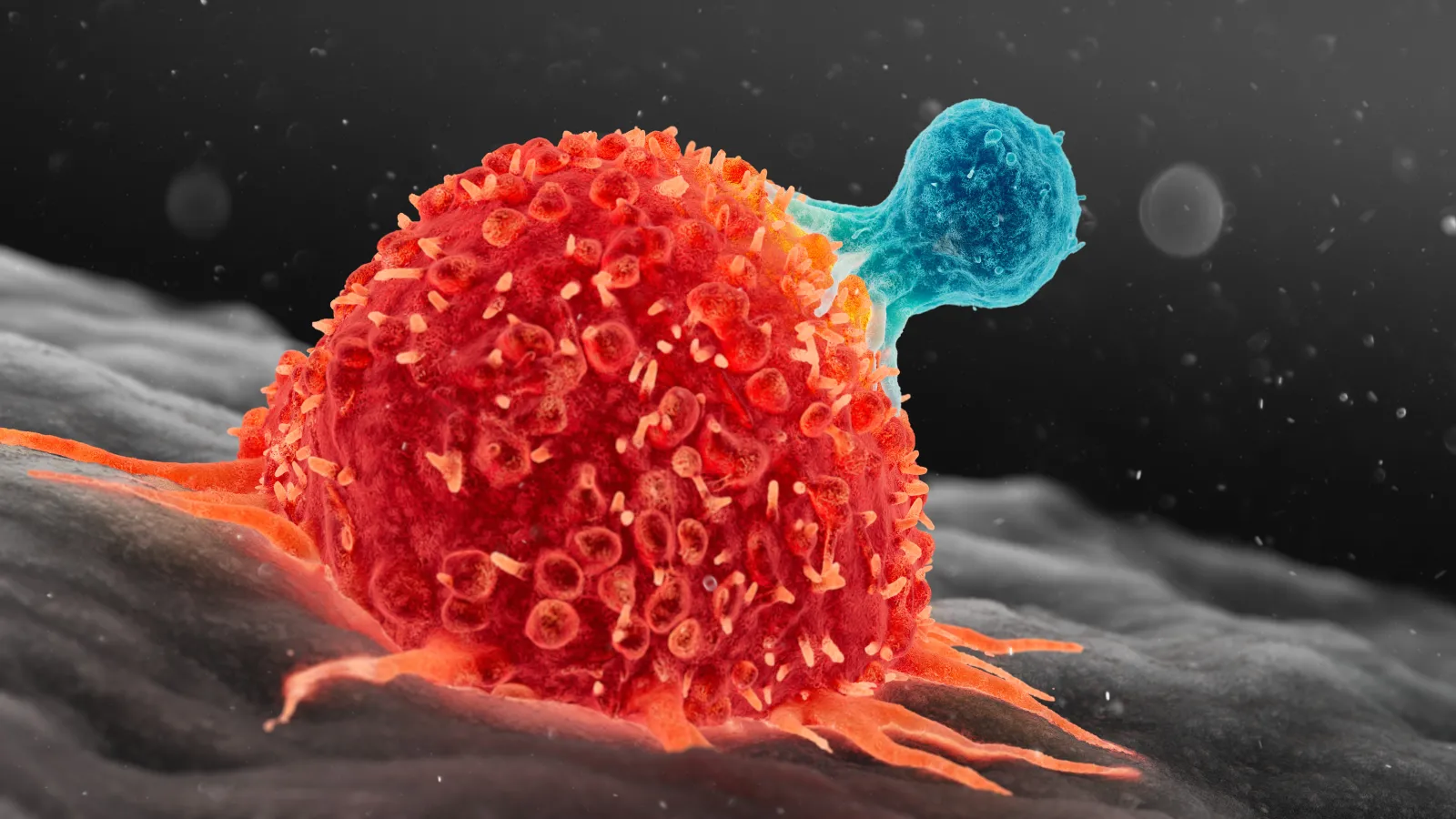
Scientists have identified that diabetes, specifically type 1, may provide insights for treating skin, breast and colon cancers. The condition, linked to higher disease risk, shows that elevated blood sugar - a sign of poorly managed diabetes - could protect against certain tumours, according to the American Association of Immunologists.
High blood sugar, or hyperglycaemia, was found to reprogram immune cells, enabling them to kill tumours or halt their growth. Researchers emphasized that this does not suggest people should neglect diabetes control to lower cancer risk.
Instead, the team said their findings - published in The Journal of Immunology - could aid the development of tumour-fighting therapies.
Dr Anamika Bose, assistant professor at the National Institute of Pharmaceutical Education and Research in India and senior author, stated: "Our findings open several research avenues for new cancer immunotherapies by applying the changes we see in T cells [a type of immune cell] of patients with type 1 diabetes and mimicking those cell changes in new treatments for all patients."
Type 1 diabetes, less common than type 2, affects 8 per cent of diabetes sufferers and is an autoimmune disease often diagnosed in childhood, characterised by the body's inability to produce insulin.
Earlier studies noted a reduced risk of some cancers in type 1 patients, but the cause remained unclear. New mouse data indicates that hyperglycaemia-induced alterations in T cells may be responsible.
Type 1 vs Type 2 diabetes
Two main diabetes types raise blood sugar levels. Type 1 is a lifelong autoimmune condition destroying insulin-producing cells and affects about 344,000 people in the UK. Type 2 accounts for over 90 per cent of the 4.4 million adult diabetes cases in the UK and arises from insufficient insulin production or resistance.
There are no lifestyle changes that lower type 1 risk, whereas overweight, poor diet, family history, certain long-term medications, high blood pressure, gestational diabetes and Asian, Black African or African Caribbean heritage increase type 2 risk. Source: NHS and Diabetes UK
In mice with hyperglycaemia - a condition that can occur in untreated type 1 diabetes - tumours grew more slowly than in diabetic mice receiving insulin or in mice with normal sugar levels. Hyperglycaemic mice displayed more T cells that were more effective at fighting tumours.
Researchers explained that high blood sugar triggers an influx of inflammatory immune cells, enhancing cancer defence. When type 1 diabetic mice were given insulin to normalise sugar, their T cells lost this heightened ability.
Comparing T cells across hyperglycaemic, insulin-treated diabetic, and normal mice, the team identified increased activity of a specific cellular signalling pathway that boosted tumour-killing capacity. They suggested this pathway could be targeted for new cancer treatments.
Human blood samples from individuals with hyperglycaemia showed the same signalling pathway activation in immune cells.
Dr Bose added: "These findings are exciting, because we now partly understand how type 1 diabetes protects against certain cancers. Our new understanding of the involvement of this specific signalling pathway provides us with new ways to develop T cell-based immunotherapies for cancer patients."
The potential therapies could resemble CAR T-cell treatment, which reprograms a patient's white blood cells to seek and destroy cancer cells.
Conversely, type 2 diabetes raises the risk of cancers of the oesophagus, bowel, breast, womb and kidney, sharing risk factors such as obesity and age. Approximately one in five cancer patients also has diabetes.
While hyperglycaemia appears to supercharge immune cells against tumours, type 1 diabetes can increase susceptibility to other cancers, including liver, pancreas, kidney and stomach.