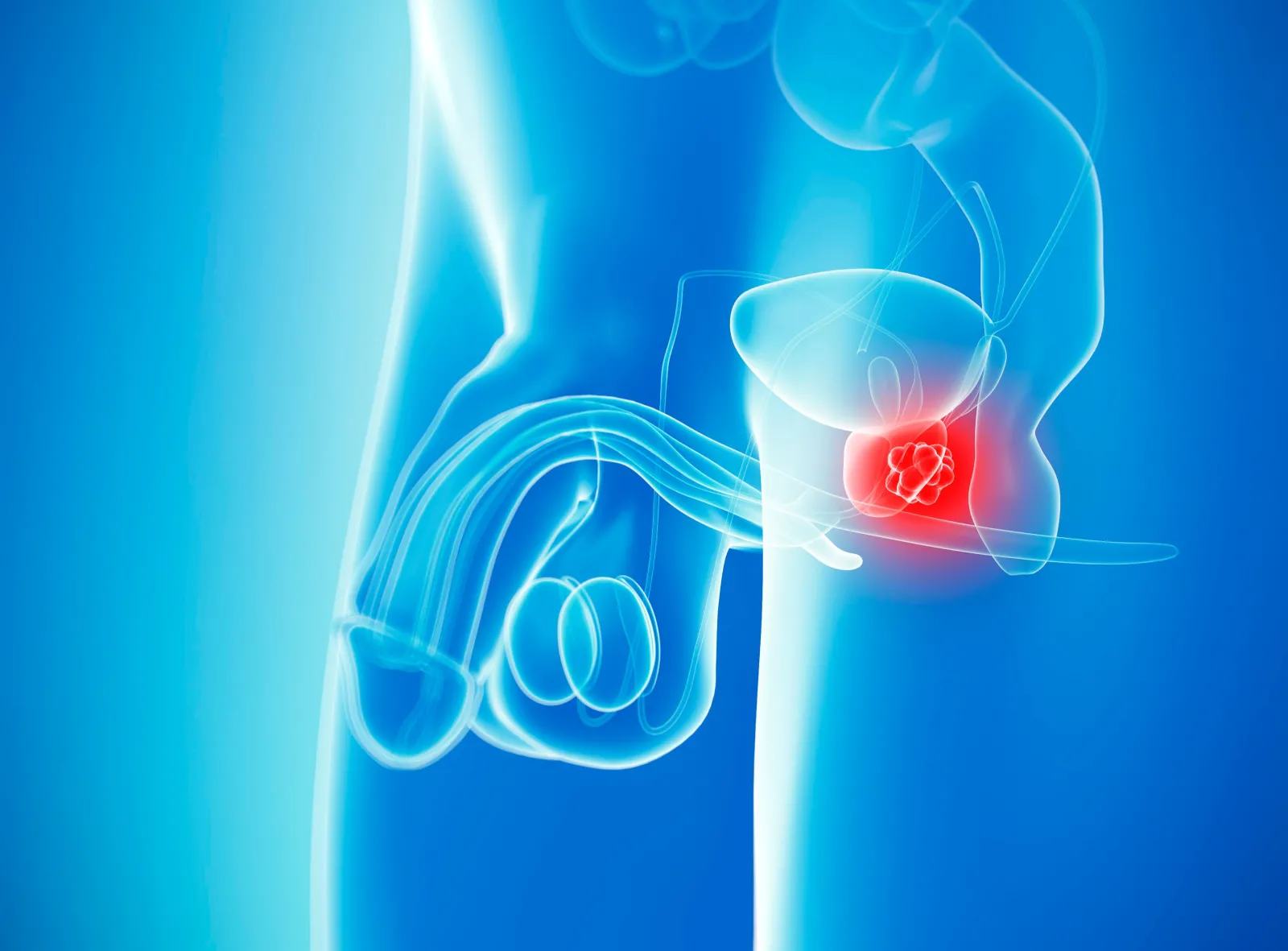
How the immune system affects prostate cancer risk
New research suggests that maintaining a robust immune system may help prevent prostate cancer in men. British scientists discovered that elevated levels of certain immune-activating proteins in the blood connect to a reduced prostate cancer risk, indicating that natural bodily defenses can clear out abnormal cells before malignancy develops. In the UK, approximately 57,900 men receive a diagnosis of this condition annually, while about 12,300 die from it.
Cancer Research UK notes that the disease lacks ties to preventable causes like lifestyle or environmental factors. Researchers previously assumed that tumors completely blocked immune defences, but current findings reveal a more complex reality. Lead study author Dr Mahboubeh Parsaeian stated that prostate cancer was previously considered immunologically cold and unlikely to trigger strong responses, but the results prove that immunity plays a part in early development or suppression.
Dr Iain Foulkes, executive director of research and innovation at Cancer Research UK, noted that the connection between immunity and lower cancer risk provides new insights into how the body controls emerging malignant cells. Professor David Adler, Chief Scientific & Medical Officer at the PATHORA Institute of Pathology & Tissue Medicine, added that the body's defenses may protect certain men years before detection, though he cautioned that proving increased proteins will actively prevent tumors requires more work.
Details of the protein study
The study, published in Nature Communications, analyzed two separate data sources covering more than 24,000 men. Investigators tested blood samples from participants with and without the disease to compare inflammation-related protein levels, and used genetic tests to check if identified proteins directly impact prostate cancer risk. Higher concentrations of interleukin-15, a protein that stimulates cancer-fighting T cells, linked to a 14 per cent lower risk after seven or more years. Participants with available tumor characteristics also showed a 26 per cent lower risk of advanced disease when interleukin-15 levels were higher, alongside similar associations for other immune-related proteins.
Conversely, men with genes linked to elevated levels of the DNA-repair protein PARP1 faced an increased risk of the disease. Professor Karl Smith-Byrne from Oxford Population Health observed that the strongest immune signals appeared over seven years before diagnosis, pointing to an early period when defenses keep abnormal cells under control. Simon Grieveson, assistant director of research at Prostate Cancer UK, stated that understanding the underlying biology is essential before using this information to identify men at greatest risk or build new preventative methods.
Symptoms and disease statistics
Prostate cancer frequently presents no initial symptoms, complicating early diagnosis until tumors grow large enough to press against the urethra. When this happens, warning signs include trouble starting urination, frequent trips to the bathroom, weak urinary flow, and incomplete bladder emptying, with the likelihood of the condition rising from age 50 onwards. Similar medical research developments are explored in study finds type 1 diabetes may boost immune cells to fight certain cancers.
One in eight men will get prostate cancer
The likelihood of developing the condition depends on numerous factors, and statistics outline how broadly it impacts the male population globally:
- One in eight men will get prostate cancer in their lifetime
- It is the fourth most common cancer worldwide, and the most common in men
- There are 64,000 new cases every year in the UK, and 1.4million globally
- Around 12,000 people lose their lives to prostate cancer annually in the UK and almost 400,000 around the world
- Prostate cancer accounts for 28 per cent of all new cancer cases in men in the UK, and 14 per cent of all new cancer cases in men and women combined
- Prostate cancer survival has tripled in the last 50 years in the UK
- More than three-quarters (78 per cent) of patients survive for 10 or more years
- About 490,000 men are living with and after prostate cancer in the UK
- It is most common in men aged 75 to 79
- Since the early 1990s, cases have increased by 53 per cent in the UK
- Mortality rates are up 16 per cent since the early 1970s in the UK
- Incidence rates are projected to rise by 15 per cent in the UK between 2023 to 2025 and 2038 to 2040
- Mortality rates are expected to fall five per cent in the UK over the same years
Source: Prostate Cancer UK, World Cancer Research Fund International and Cancer Research UK
The 8 ways to boost your immune system
Winter months bring viruses like colds and flu that require active defenses, prompting questions about natural immunity enhancement:
- Get enough sleep – sleep and immunity are closely tied and inadequate or poor quality sleep is linked to a higher susceptibility to sickness
- Eat more whole plant foods – fruit and vegetables are rich in nutrients and antioxidants
- Eat more healthy fats – healthy fats, like those found in olive oil and salmon, may boost your body's immune response to pathogens by decreasing inflammation
- Eat more fermented foods – foods like yoghurt, kefir and kimchi are rich in beneficial bacteria called probiotics
- Limit added sugars – some research suggests that added sugars and refined carbs may contribute disproportionately to obesity and obesity may increase your risk of getting sick
- Engage in moderate exercise – although prolonged intense exercise can suppress your immune system, moderate exercise can give it a boost
- Stay hydrated – hydration doesn't necessarily protect you from germs and viruses, but preventing dehydration is important to your overall health
- Manage stress levels – long-term stress promotes inflammation, as well as imbalances in immune cell function