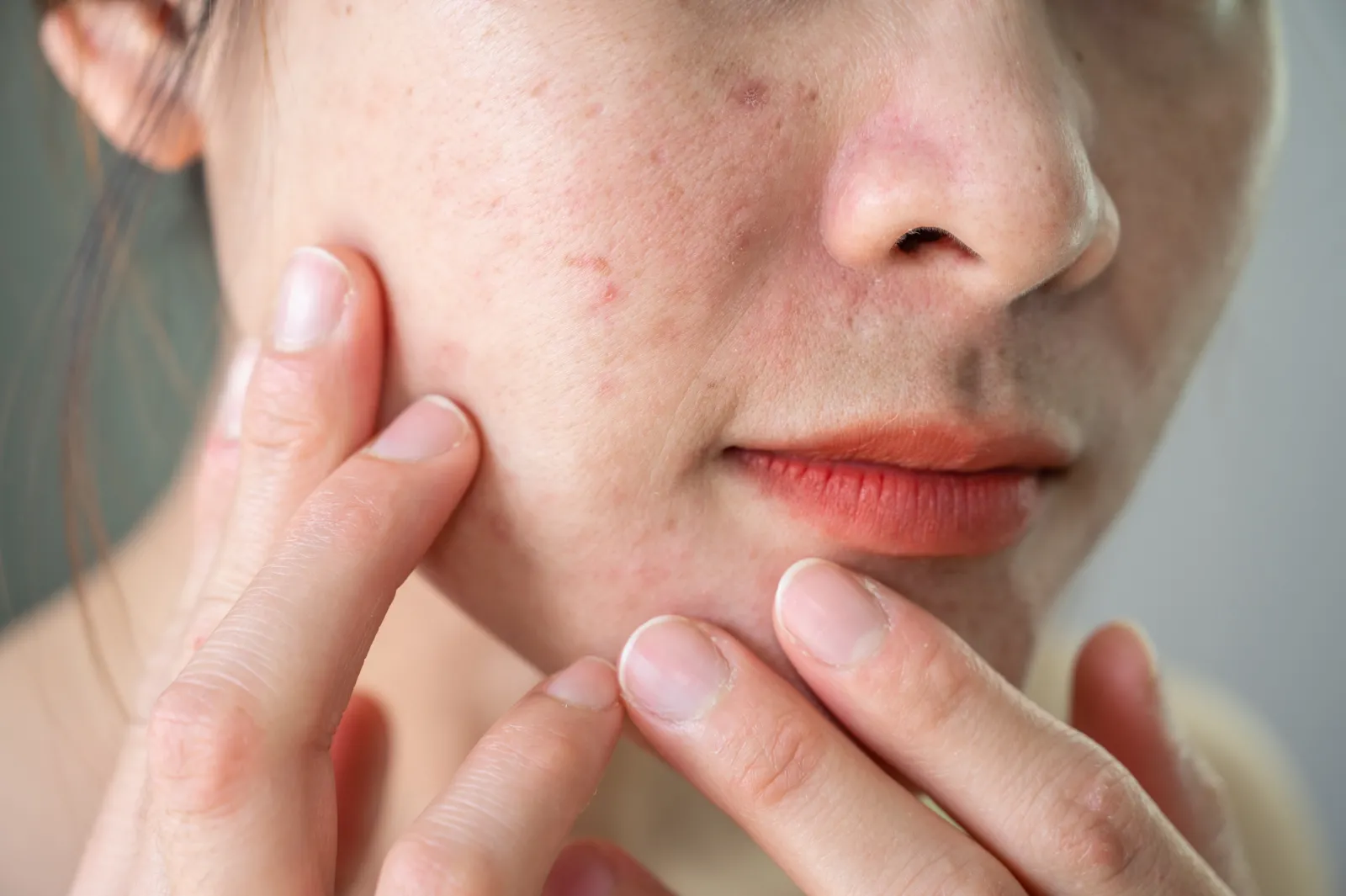
Skin changes such as acne, dryness, yellowing and itching can signal hidden health problems, from hormonal imbalance to liver disease, experts say.
Acne Reveals Hormonal Imbalance
Acne is not only a teenage issue. Dr Paris Acharya, founder of Clinic Dr Paris, notes that breakouts around the jawline and chin often reflect hormonal fluctuations, especially increased androgens.
These fluctuations can worsen during periods, perimenopause, or with polyendocrine metabolic ovarian syndrome (PMOS). One in eight women may have PMOS, yet up to 70% remain unaware, WHO reports.
Managing PMOS typically involves hormone-regulating medications and skin treatments for acne or pigmentation, Dr Acharya says. For acne, he recommends retinoids, salicylic acid, benzoyl peroxide and azelaic acid; severe cases may need a GP prescription.
Dry Skin Signals Over-Exfoliation and Dehydration
Excessive use of retinol or acids can sensitize skin, leading to dryness. Dr Sarah Takroni, founder of Takroni Clinic, adds that weather changes, air conditioning, heating or dehydration also contribute.
She advises drinking six to eight cups of water daily and strengthening the skin barrier with ceramides, urea, hyaluronic acid, niacinamide and glycerin.
Dry, inflamed or itchy patches on elbows, hands and knees may indicate eczema, while diabetes can cause dry, scaly legs. High blood sugar dehydrates skin, Dr Takroni explains. If you notice increased thirst, tiredness, slow-healing wounds or genital itchiness, see a GP.
Yellow Skin Points to Jaundice and Liver Issues
A yellowish face may signal jaundice, caused by bilirubin buildup. Dr Takroni says the liver normally removes bilirubin; excess indicates liver problems such as alcohol-related disease, gallstones or hepatitis.
Other signs include yellow eye whites, itchy skin, darker urine and paler stool. She urges urgent medical attention and suggests dietary changes like more fibre or stopping alcohol and certain medications.
Oily Skin May Stem from Genetics or Insulin Resistance
Genetics, PMOS and stress contribute to oily skin, Dr Acharya notes. He recommends niacinamide, retinoids or azelaic acid to reduce oil without stripping the skin.
Insulin resistance, whether with or without diabetes, raises insulin levels, stimulating oil glands and causing shine and breakouts, he explains. Symptoms such as post-meal fatigue, sugar cravings, skin tags or velvety skin around temples, neck or underarms may also appear.
Lowering blood sugar spikes through diet, sleep, exercise and stress management can improve oil levels.
Cracked Corners of the Mouth Signal Nutrient Deficiency
Angular cheilitis, painful splits at the mouth corners, can result from saliva irritation, lip-licking or fungal growth, Dr Acharya says.
Saliva creates a damp environment for yeast, especially in those who lip-lick frequently, wear ill-fitting dentures, have dry skin or a weakened barrier.
Low iron, zinc and B vitamins weaken the skin barrier, making the corners vulnerable to inflammation, he adds. Foods rich in these nutrients include red meat, chicken, shellfish, eggs, nuts, seeds, beans and lentils.
Plant-based diets may lack B12; a GP can order blood tests or recommend supplements. Barrier balms like Vaseline or prescription treatments help if pain is severe.
Itchy Skin May Reflect Histamine Intolerance or Other Conditions
Histamine intolerance can cause flushing, itching, hives and skin reactivity, Dr Acharya explains. Stress, alcohol, spicy foods and certain medications can worsen it.
He observes that itchy skin often appears with rosacea, which can also cause stinging, facial redness, visible blood vessels and pus-filled bumps. Liver issues, iron deficiency or medication reactions may also trigger itching.
Persistent or severe itching warrants a GP visit. A doctor may prescribe antihistamines, topical steroids, prescription anti-inflammatory creams or order blood tests or allergy testing, Dr Acharya advises.
When to See a GP
Dr Takroni advises that if a skin change deviates from your normal baseline and is accompanied by other symptoms, you should consult a doctor to rule out deficiencies or medical conditions rather than relying solely on creams.