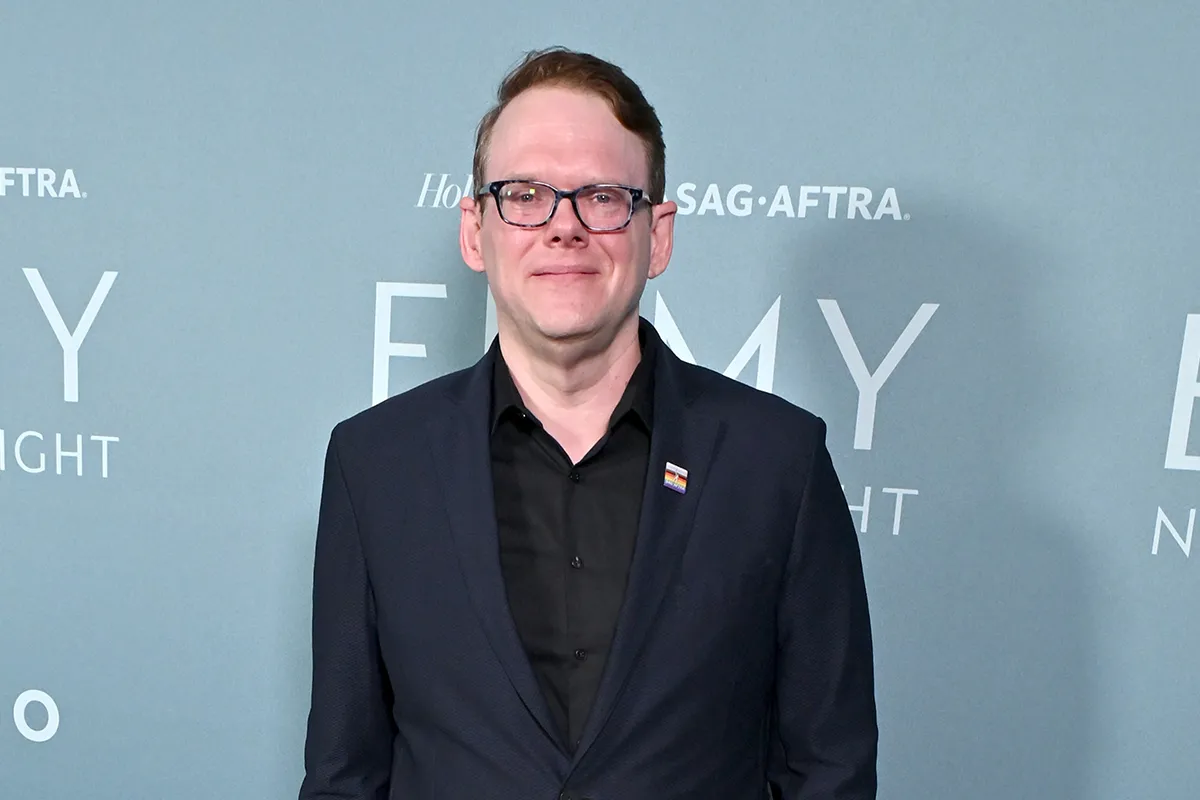
Actor Colton Little, who has secured recurring roles on popular television programs such as Days of Our Lives and General Hospital alongside a guest appearance on NCIS Origins, recently became one of thousands of individuals removed from the Screen Actors Guild-American Federation of Television and Radio Artists for failing to maintain dues payments.
Colton Little explained to industry publication Variety that falling behind on financial obligations happened over a year ago due to personal hardships, accumulating a debt of approximately $2,000 where basic living expenses like rent had to take precedence over union fees.
This situation affects a substantial portion of the entertainment community, as Screen Actors Guild-American Federation of Television and Radio Artists maintained a lenient stance for six years by suspending terminations for unpaid fees during the disruptions of a global pandemic, multiple industry work stoppages, and a significant decline in film and television production.
Beginning on Nov. 1, the labor organization reinstated its historical policy requiring the removal of any professional whose accounts fall 18 months or more past due, a measure approved by the board more than a year prior that has now fueled growing dissatisfaction among rank-and-file workers.
Another major catalyst for internal friction involves a recent board determination to extend the employment agreement of Duncan Crabtree-Ireland, who serves as the national executive director for Screen Actors Guild-American Federation of Television and Radio Artists, for an additional four years alongside a 15 percent salary increase.
Duncan Crabtree-Ireland already held the position of the highest-compensated labor official across the entire Hollywood entertainment sector, earning a yearly salary of $1.1 million, which made the timing of this leadership extension immediately preceding mass member terminations appear highly controversial to many constituents.
Performer Taji Coleman, who previously faced the threat of removal before successfully settling financial obligations with the organization, noted that the executive boost coinciding with general member expulsions created a painful contrast for working artists.
National President Sean Astin strongly defended the choice to advance the executive agreement ahead of its scheduled expiration in June 2028, characterizing the arrangement as a strategic and robust measure to ensure organizational stability.
Sean Astin explained that securing the leadership contract outside of an active major negotiation window or an internal election cycle provided a calm environment for evaluation, with full backing from both finance and executive committees prior to board approval.
Board member Peter Antico cast the sole dissenting vote against the contract extension following an unsuccessful bid for the office of secretary-treasurer in 2025, maintaining a consistent record of opposition toward current organizational governance.
Peter Antico stated to Variety that an alternative outcome involving leadership dismissal was preferred, expressing explicit opposition to increasing executive compensation during a period of widespread financial hardship for ordinary artists.
Former presidential candidate Chuck Slavin argued that leadership changes are urgently required, pointing to a severe crisis of confidence characterized by mass member removals, questionable financial decisions, and inadequate safeguards for healthcare and emerging artificial intelligence threats.
Duncan Crabtree-Ireland has largely avoided direct engagement with internal political disputes as the organization prepares for an upcoming spring election season, allowing the early contract renewal to secure tenure independently of upcoming voting outcomes.
While declining to discuss personal contract terms during interviews, Duncan Crabtree-Ireland addressed broader concerns regarding member terminations and ongoing healthcare challenges within the entertainment industry.
Duncan Crabtree-Ireland acknowledged that widespread anxiety persists across the sector due to ongoing production cuts involving major studio entities like Warner Bros. and Paramount, which amplifies the stress surrounding administrative policy enforcement.
Active union participants contribute 1.575 percent of their covered earnings toward regular fees, while inactive or unemployed individuals maintain active membership status through an annual payment of $246 in base fees, a policy leadership defends as essential for maintaining collective financial health.
The broader production slowdown has simultaneously created severe challenges for actor healthcare eligibility, with prominent figures such as Drake Bell and Heather Matarazzo highlighting difficulties in qualifying for coverage while Cheyenne Jackson initiated advocacy efforts to assist vulnerable peers.
Healthcare earnings thresholds are scheduled to increase to $28,933 in January, presenting a significant hurdle since the vast majority of members fail to earn sufficient acting income to qualify, ultimately pushing individuals toward costly and rapidly escalating individual insurance marketplaces.
Duncan Crabtree-Ireland attributed these insurance struggles primarily to broader employment contractions within the marketplace rather than alterations to plan eligibility rules, noting that the upcoming earnings threshold adjustment represents a modest 3 percent increase.
Colton Little described working multiple supplemental jobs to survive the industry downturn, noting that attempts to establish alternative payment arrangements with administrative staff yielded frustrating indifference prior to the final termination notice.
Despite experiencing administrative frustration, Colton Little expressed no lingering animosity toward the organization, acknowledging the fundamental necessity of dues while emphasizing the urgent need for leadership to recognize genuine member struggles.
Prior to official removal, an Instagram video published on Oct. 31 using a popular tutorial format documented the decision to step away from active membership amid bleak local audition prospects in the Los Angeles production market.
Colton Little clarified that the online broadcast was intended merely as a personal update for acquaintances rather than a permanent abandonment of the artistic profession, expressing a temporary need to pause and reflect on current industry realities.
Background on SAG-AFTRA and Union Dues
The Screen Actors Guild-American Federation of Television and Radio Artists represents over 160,000 media professionals worldwide, including actors, announcers, broadcast journalists, dancers, stunt performers, and voiceover artists. Founded through the historic merger of the Screen Actors Guild and the American Federation of Television and Radio Artists, the organisation negotiates collective bargaining agreements that establish minimum pay rates, working conditions, and health and retirement benefits for performers across film, television, radio, and digital media. Union operations rely heavily on membership dues and initiation fees to fund contract enforcement, legal protections, and organizing efforts across the entertainment industry. Base dues and percentage assessments ensure that the organisation can maintain administrative functions and support members during labor disputes.
The Impact of Production Downturns on Hollywood Professionals
The entertainment industry in Los Angeles and other major production hubs has experienced a prolonged contraction following the COVID-19 pandemic, consecutive labor strikes by writers and actors, and corporate spending cutbacks by major media conglomerates. Traditional television and feature film production volumes dropped significantly as streaming platforms adjusted their business models and ordered fewer episodes per season. This severe downturn left thousands of union members without steady employment, directly impacting their ability to pay recurring union fees and meet the strict earnings thresholds required to maintain union-sponsored health insurance. Performers who previously relied on consistent episodic television work or recurring film roles suddenly found themselves pursuing alternative employment in the gig economy just to cover basic living expenses.