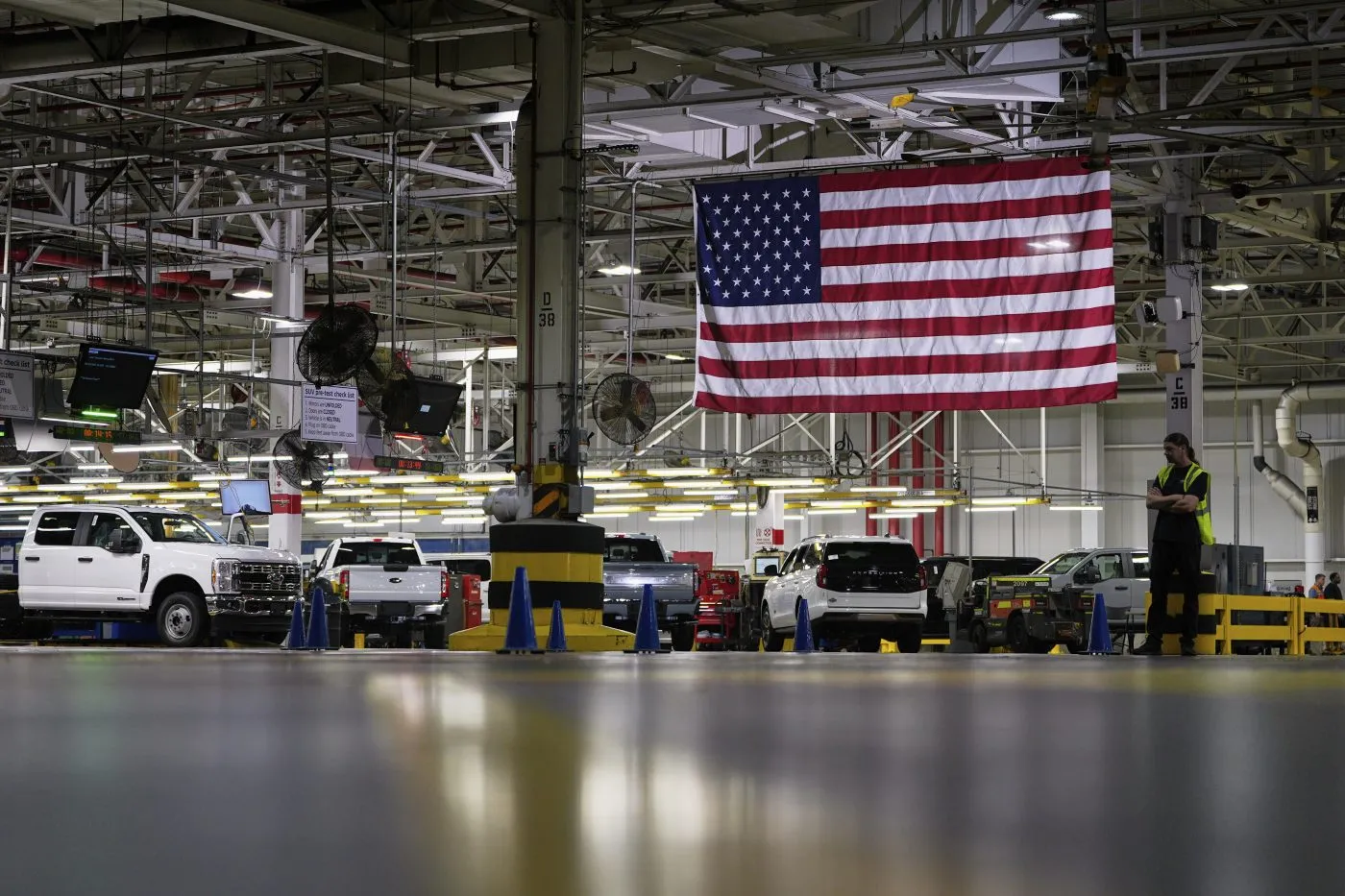
The U.S. Department of Defense has entered into discussions with Ford Motor Company about providing vehicles and related products for the armed forces. The talks are part of a broader effort to reinforce domestic manufacturing capacity for defense needs.
Who is involved?
Ford Motor Company, a leading American automaker, is the primary partner being approached by the Pentagon. The company's spokesperson confirmed the meetings to The Hill on Tuesday, highlighting Ford's historical role in supporting the U.S. during times of need.
What is being discussed?
Discussions center on Ford's "highly capable vehicles" that could offer the military cost-saving options and reliable performance for soldiers. Ford's spokesperson emphasized the company's readiness to supply vehicles that meet military specifications.
Other partners in the conversation
The Pentagon is also exploring collaborations with other domestic firms. Meetings have included Revolution Space, a contractor specializing in space systems, to explore the production of advanced satellites. The Wall Street Journal reported that defense officials are in talks with General Motors to expand drone production and are meeting with Magna International, a Canada-based manufacturer, to discuss potential roles in drone motor manufacturing.
Why is this significant?
American auto manufacturers have a history of supporting defense production, having repurposed factories during World War II to produce trucks, airplane engines, and tanks. The current initiative reflects a renewed focus on keeping critical manufacturing within U.S. borders.
What does Ford say?
"Ford has always served the U.S. in times of need," the spokesperson told The Hill. The statement underscores the company's willingness to contribute to national defense efforts. However, Ford declined to comment on rumors or speculation regarding the specifics of the potential contract.
What about General Motors?
A GM Defense spokesperson stated, "GM Defense has extensive capabilities and scale in all aspects of vehicle design, ICE and electric propulsion and manufacturing and we have demonstrated our commitment to reinforce the U.S. defense-industrial base and help address critical needs." The spokesperson also added, "But we can't comment on rumors and speculation."
What is the Pentagon's response?
The Pentagon did not respond to The Hill's request for comment on the ongoing discussions.
Background: U.S. defense manufacturing trends
Since the 1990s, the U.S. defense industrial base has faced challenges from overseas competition and reduced domestic production. In recent years, the Department of Defense has pursued initiatives to re-establish manufacturing capabilities within the United States, including the Defense Production Act and the National Defense Industrial Base program. These efforts aim to ensure that critical components, such as engines, electronics, and vehicles, remain available for national security purposes.
Background: Ford's history with defense contracts
Ford has supplied military vehicles for decades. During World War II, the company produced the Fordson truck for the U.S. Army and the Ford Model A for the U.S. Marine Corps. In the 21st century, Ford has supplied the U.S. Army with the Ford F-150 and the U.S. Marine Corps with the Ford F-150 Heavy Duty, both of which have been used in various deployments.
What happens next?
While no formal contract has been announced, the Pentagon and Ford are expected to continue negotiations over vehicle specifications, production timelines, and cost structures. If a deal is reached, it could set a precedent for other automakers to participate in defense procurement, potentially reshaping the U.S. defense manufacturing landscape.
Related coverage
For additional context on defense procurement and industry involvement, see GOP lawmakers struggle over Pentagon funding and reconciliation plan and Trump Pentagon push puts GOP Medicaid cuts at risk in Senate.