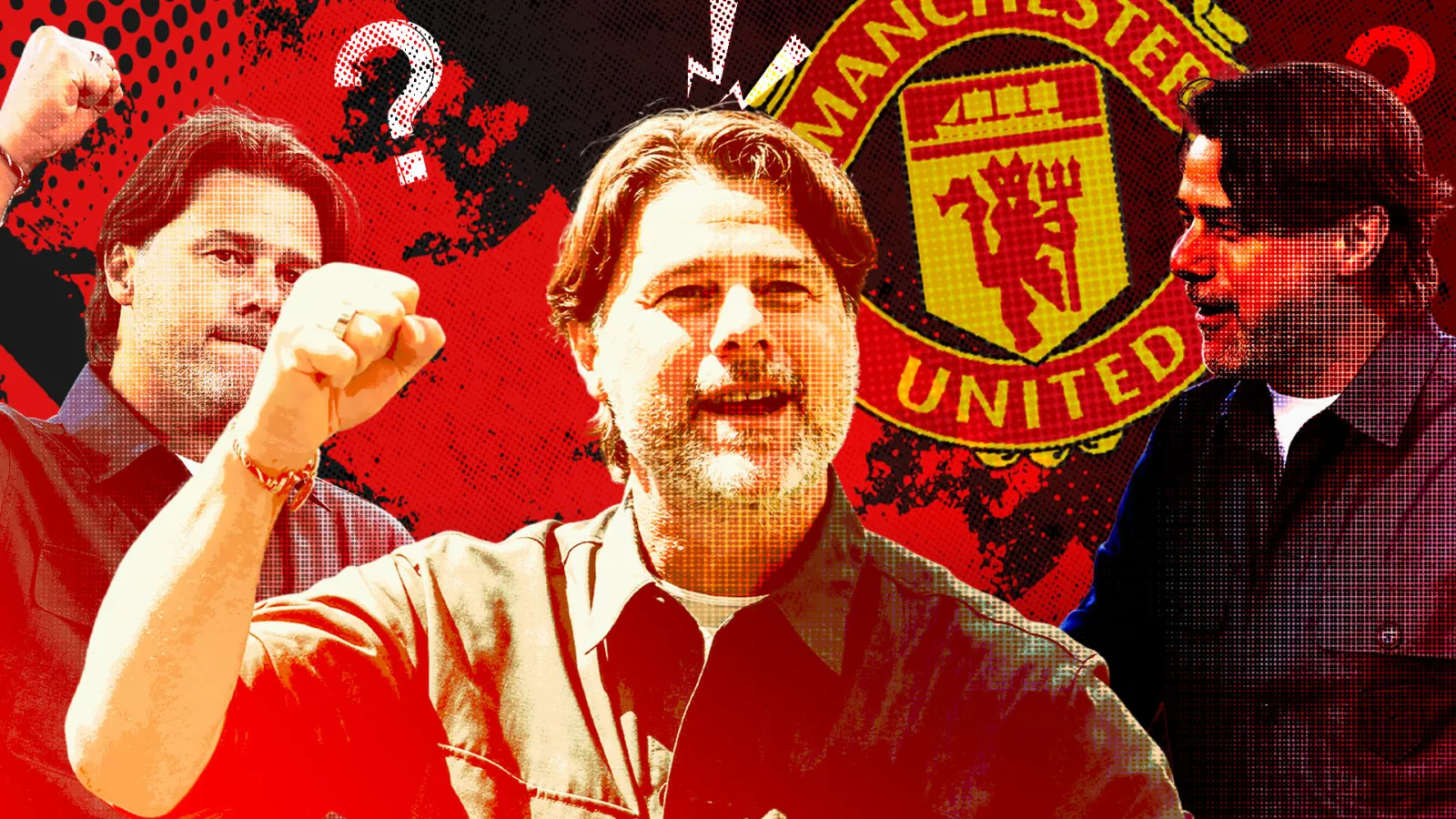
Mauricio Pochettino has been officially appointed as the new head coach of Manchester United, stepping into the role following a difficult opening stretch of the campaign. The Premier League club parted ways with Michael Carrick on Thursday after a winless domestic run stretching back to August left the team struggling near the bottom of the standings. Mauricio Pochettino, 54, maintained discussions with the United hierarchy as leadership prepared to make a change in the dugout.
The Argentine manager has signed a two-and-a-half-year contract, returning to English football after previous stints in charge of Southampton, Tottenham Hotspur and Chelsea. However, Manchester United agreed to let Pochettino oversee the United States Men's National Team in their upcoming matches against Haiti before taking up his new responsibilities in Manchester. His final fixture with the international side is scheduled for November 18, after which he will arrive to begin his reign at Old Trafford the following day.
This arrangement drew criticism from supporters because it leaves the incoming coach with minimal preparation time before a high-profile fixture against fierce rivals Liverpool on November 22. Manchester United confirmed the appointment through an official statement on Friday afternoon, noting an agreement had been reached with the U.S. Soccer Federation for the manager and his staff to be released once international duties concluded. Co-owner Avram Glazer approved the recruitment earlier in the week as the club attempts to rescue a turbulent season.
The club statement highlighted the incoming coach for his high-intensity, attacking style of football, his dedication to building strong, cohesive teams and his outstanding record of developing individual players. Pochettino previously managed Espanyol starting in 2009 before moving to Southampton, where he secured a club-record Premier League points tally in 2014. During five full seasons at Tottenham Hotspur, he established the club as regular UEFA Champions League contenders, securing qualification in four consecutive seasons and leading the team to its first final in the competition in 2019.
In 2021, he joined Paris Saint-Germain, winning the Ligue 1 title, the Coupe de France and the Trophée des Champions before taking charge at Chelsea in 2023. Most recently, he led the U.S. Men's National Team to the Round of 16 at the FIFA World Cup, though the tournament co-hosts were eventually eliminated following a defeat against Belgium. He now inherits a squad low on confidence, sitting in the Premier League relegation zone after failing to secure a domestic victory since August.
The team drew 4-4 with Aston Villa in a dramatic encounter before the international break, but poor prior results ultimately prompted the board to dismiss Carrick, 45, just months after extending his contract by two years. A separate club statement confirmed the departure of Carrick, noting that he rejoined the club in January and guided the team to a third-placed Premier League finish by winning 12 out of the remaining 17 games of the 2025/26 season. Despite that strong run, a difficult start to the current campaign led to the conclusion that a change was necessary to meet organizational ambitions.
Background on Manchester United and Managerial Changes
Manchester United remains one of the most successful football clubs in England, though recent years have brought significant turbulence on the pitch. Following the retirement of long-serving manager Sir Alex Ferguson in 2013, the club has cycled through several permanent and interim managers in search of former glories. Michael Carrick stepped into the dugout earlier to steady the ship, drawing on his extensive experience as a former midfielder who won multiple Premier League titles and the UEFA Champions League during his playing days at Old Trafford.
The revolving door of leadership reflects mounting pressure from supporters and investors alike. The club operates under the ownership of the Glazer family, with Avram Glazer actively involved in major sporting decisions. Financial investments in the playing squad have remained high, yet the translation of those funds into consistent trophy challenges has eluded successive coaching staffs. The arrival of a manager with deep Premier League experience like Mauricio Pochettino represents the latest attempt to restore stability and tactical identity.
Career History of Mauricio Pochettino
Mauricio Pochettino built his reputation as a rugged central defender before transitioning into management. His breakthrough in European coaching came at Spanish club Espanyol, where he successfully steered the team away from relegation trouble despite severe financial constraints. That achievement caught the attention of Southampton executives, who brought him to the English Premier League in 2013. His time on the south coast was characterized by an aggressive pressing style, often referred to as vertical football, which relies on winning the ball back quickly in advanced areas.
His subsequent tenure at Tottenham Hotspur marked his emergence among Europe's elite tacticians. Without the vast transfer budgets of direct rivals, he developed young English talent such as Harry Kane and Dele Alli, turning the club into a consistent top-four finisher. Although he did not win a major trophy during his time in north London, reaching the Champions League final cemented his tactical standing. Stints at Paris Saint-Germain and Chelsea further broadened his resume, yielding his first domestic league title in France before his foray into international management with the United States.
Upcoming Fixtures and Premier League Standing
The immediate calendar for Manchester United presents a daunting challenge for the new coaching staff. Following the fixture against Liverpool, the team faces Sporting in European competition, followed by domestic league matches against Brentford, Newcastle and other opponents. The squad currently occupies a low position in the table, raising concerns among fans accustomed to competing at the very top of the English game. A dense schedule through November and December leaves little time for tactical restructurings on the training ground.
Relegation danger, while unusual for a club of this stature, highlights the severity of the poor run of form under the previous management. The team must quickly rediscover defensive solidity and clinical finishing to climb out of the lower half of the standings. Squad morale, dented by heavy defeats against teams like Bournemouth and Chelsea earlier in the autumn, requires immediate repair through clear communication and structured tactical drills implemented by the incoming coaching team.