Anthony Joshua Discusses The Traumatic Crash In Nigeria
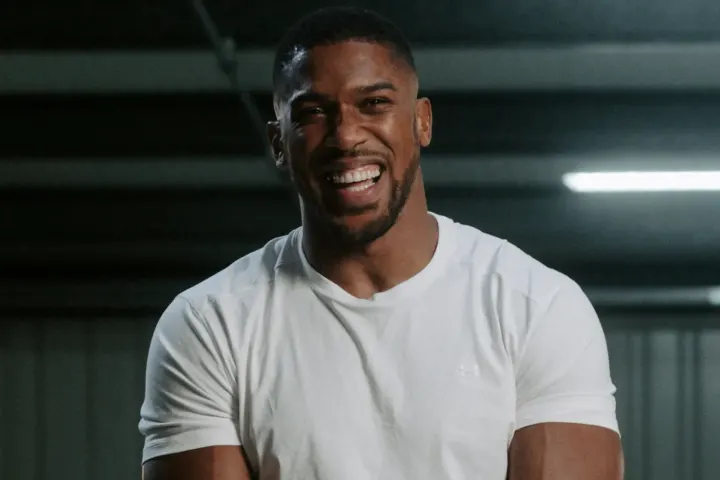
For a man so closely associated with masculinity and physicality, this past year has pushed Anthony Joshua to breaking point both physically and emotionally. Ahead of the Big Fight, he has had to draw on every last reserve of strength in order to become match-ready.
Following his knockout victory over YouTuber-turned-boxer Jake Paul in Miami, the 37-year-old sportsman was involved in the fatal car crash that killed his training partners and best friends, Sina and Latz, whilst holidaying in Nigeria. Anthony Joshua was hospitalised for two days in the aftermath, suffering from severe whiplash and other superficial injuries.
Adeniyi Mobolaji Kayode was charged with dangerous driving causing death, reckless and negligent driving, driving without due care and attention, and driving without a valid national driver's licence in connection with the crash. Horribly, footage of a clearly shell-shocked Anthony Joshua being pulled from the wreckage quickly went viral, and looking back at it today makes for tough viewing. It is clear he was lucky to escape death, and had he sat in another seat, he might not be here today, proving without doubt the toughest part of our interview.
Anthony Joshua On The Painful Loss Of His Friends
Anthony Joshua admits, Hands down, it was the most painful and traumatic experience I've been through, emotionally and physically. Only God knows why we all sat in the seats that we sat in, why we did what we did, why we left at the time we left.
He adds, But these boys, not brothers by blood but in every other way, they gave me a chance to be here today, and I honour them every day and I'll never leave them spiritually or mentally. I feel their absence every single day. My life's changed a lot, but so have their parents. Now my duty is to them, their families; the fight is as much for them as it is me, 100%. Check out anthony joshua announces new baby girl ahead of fury fight for more updates on his life outside the ring.
Why Anthony Joshua Is Refusing Therapy
Speaking 11 months on, the brave star acknowledges he likely has some form of PTSD, but says he refuses to have any therapy. To do so, he explains, would be to crack; to allow too much emotion to come spilling out, and prevent him from fulfilling his duty in the ring. There will, he says, be time for professional help in due course.
A deeply spiritual man, his spirituality and firm belief in God has allowed him to process grief in a way that he can handle. Sweetly, he describes the boys as merely resting in the physical form, and he believes they would be proud of all he has achieved, in their name, in the intervening months. He is also providing heavily for their families, something he is adamant is only right.
Coping With Grief And Returning To The Gym
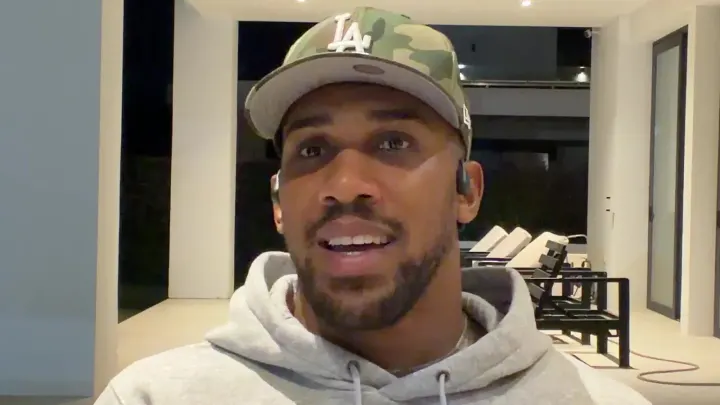
Speaking from his rented villa in Marbella, Anthony Joshua adds, I have to compartmentalise. I have to remove my emotions, not let them bombard me and I just think it's not about me because I know there's someone else suffering more than me. I try and look at death as a positive, it's something we're all going to experience. It is challenging and tough, but it's a leap of faith that all of us have to take at some stage.
He continues, It's pretty straightforward and I don't let too many emotions bombard me. But of course, some nights I do sit up late, and I do think a lot. It was so painful physically, and painful from a mental aspect as well, and it's still painful now. Physically I've done everything I can to heal up to my best and I'm back in the gym, and I am back fighting, but emotionally I just don't even think I can go there right now.
Background On Anthony Joshua And Boxing Career
Anthony Joshua is a prominent British professional boxer who has held unified world heavyweight titles, including the International Boxing Federation, World Boxing Association, World Boxing Organization, and International Boxing Organisation belts. Born in Watford, Hertfordshire, he rose to international prominence by winning a gold medal in the super-heavyweight division at the 2012 London Olympics. His professional career has drawn massive audiences worldwide, filling stadiums across the United Kingdom and establishing him as one of the most commercially successful fighters in modern combat sports history.
Throughout his career, Anthony Joshua has been known for his rigorous training regimens, athletic build, and dedication to physical conditioning. Training camps typically involve intense sparring sessions, strength conditioning, and tactical preparation alongside a close-knit group of coaches, training partners, and friends. The tragic car crash in Nigeria occurred during a period of relaxation following a major victory, abruptly altering the personal and professional dynamics surrounding his preparations for subsequent bouts.
Understanding Post Traumatic Stress And Grief Processing
Post-traumatic stress disorder is a mental health condition triggered by experiencing or seeing a terrifying event. Symptoms may include flashbacks, nightmares, and severe anxiety, as well as uncontrollable thoughts about the event. Professional psychological intervention, counseling, and various forms of therapy are commonly recommended by medical professionals to help individuals process severe trauma and manage grief effectively over time.
Athletes who experience sudden losses of close companions often face unique psychological hurdles while returning to high-performance competitive sports. Public scrutiny, media attention, and the physical demands of training can complicate the natural grieving process. Spirituality, compartmentalisation, and strong support systems for grieving families represent some of the personal mechanisms individuals use when confronting profound personal tragedy in the public eye.