The chaos surrounding Manchester United exceeded all expectations when the final whistle sounded on their 4-4 draw against Aston Villa. Alysson and Nicholas Jackson launched an aggressive start for the visitors, putting them two goals ahead within the opening four minutes of the fixture.
Bruno Fernandes converted a penalty kick and Youri Tielemans scored his first goal for United to drag the hosts back level before another two-goal lead was established less than ten minutes later. Joshua Zirkzee and Patrick Dorgu then scored during injury time to help the team secure a point and travel back sitting in 18th place in the league table.
Fan Protests And Ownership Anger
Fan protests at every Manchester United fixture continue to increase the pressure on the club hierarchy through new banners, chants, and tennis balls thrown onto the pitch. Supporters displayed a sign in the Stretford End reading, "We don't want a new stadium, we want new owners," while green and gold balloons featuring anti-ownership messages made their way toward the directors box.
Chief executive Omar Berrada and director of football Jason Wilcox observed the match from the Sir Bobby Charlton Stand while supporters voiced their frustrations against the absent American family and minority co-owner Sir Jim Ratcliffe. These demonstrations highlight the deep unrest regarding the direction of the club and the demand for accountability from the leadership.
Defensive Vulnerabilities And Diogo Dalot
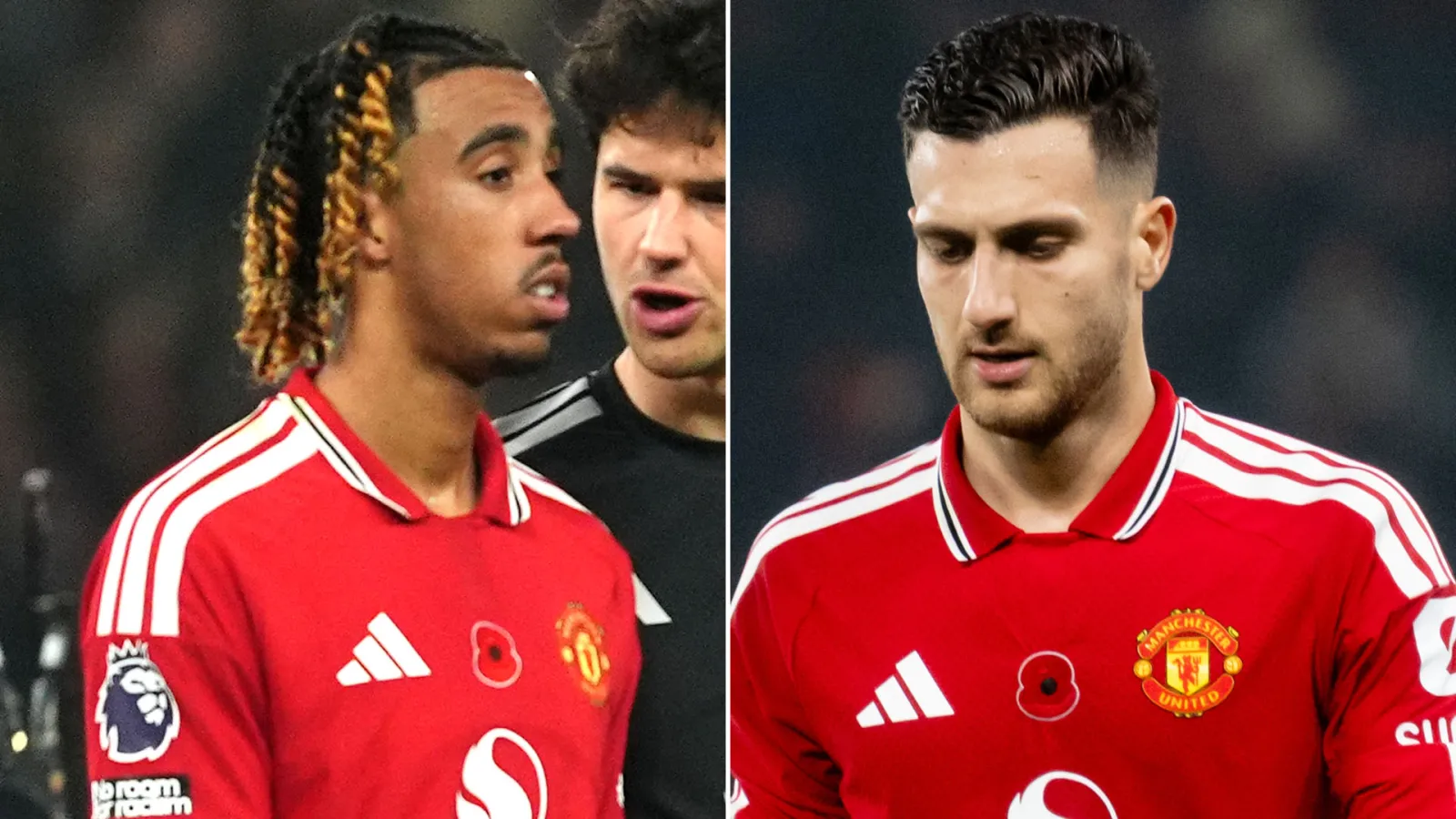
Manchester United possess a deeply troubled backline that requires urgent fixes after shipping 30 goals across all competitions this season, more than any other side in Europe's top five leagues. The team has conceded 15 goals across their last five matches, including a heavy defeat in Como, leading up to an upcoming fixture against Liverpool.
Diogo Dalot faced severe criticism and was met with mocking cheers when Patrick Dorgu replaced him on 66 minutes after struggling defensively and conceding a penalty kick. Senior defenders like Luke Shaw, Harry Maguire, and Lisandro Martinez face uncertain futures with their contracts winding down amid calls for a complete defensive restructuring.
Absence Of Leadership On The Pitch
Michael Carrick oversees a struggling squad that relies heavily on sporadic moments of individual brilliance rather than sustained tactical control. Matheus Cunha tried to drive the team forward with urgency, while Patrick Dorgu emerged as an unlikely contributor with a crucial goal and assist to salvage a point.
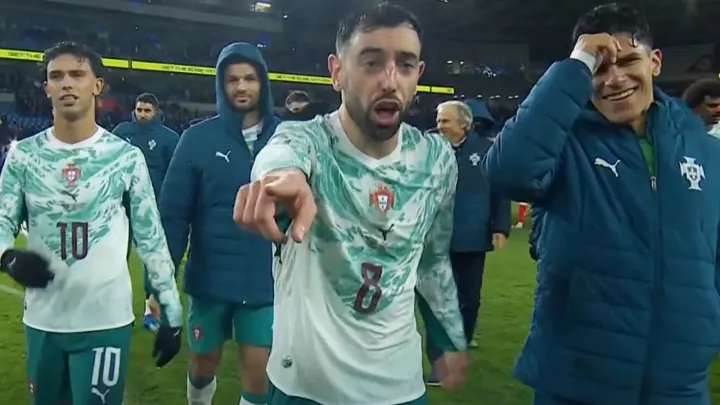
Bruno Fernandes displayed clear frustration at the final whistle despite the late comeback, reflecting the wider issues within the squad. Supporters continue to back the team when given a reason, but the players must take responsibility rather than relying entirely on the crowd to inspire results.
Background
Manchester United remains one of the most decorated football clubs in English history, boasting numerous league titles and European trophies earned over decades of competition. Old Trafford, historically known as the Theatre of Dreams, has served as the home ground for the club since 1910 and remains a central focal point for matchday traditions. The ownership structure has faced intense scrutiny from supporters for many years, dating back to the leveraged takeover by the Glazer family in 2005.
What Happens Next
Manchester United prepares for a challenging sequence of fixtures following the international break, starting with a high-profile league match against Liverpool. The squad will then turn its attention toward upcoming European fixtures and domestic league games against opponents such as Brentford and Newcastle as they attempt to climb away from the relegation zone. Club officials face ongoing pressure to address squad deficiencies during future transfer windows while managing fan expectations.