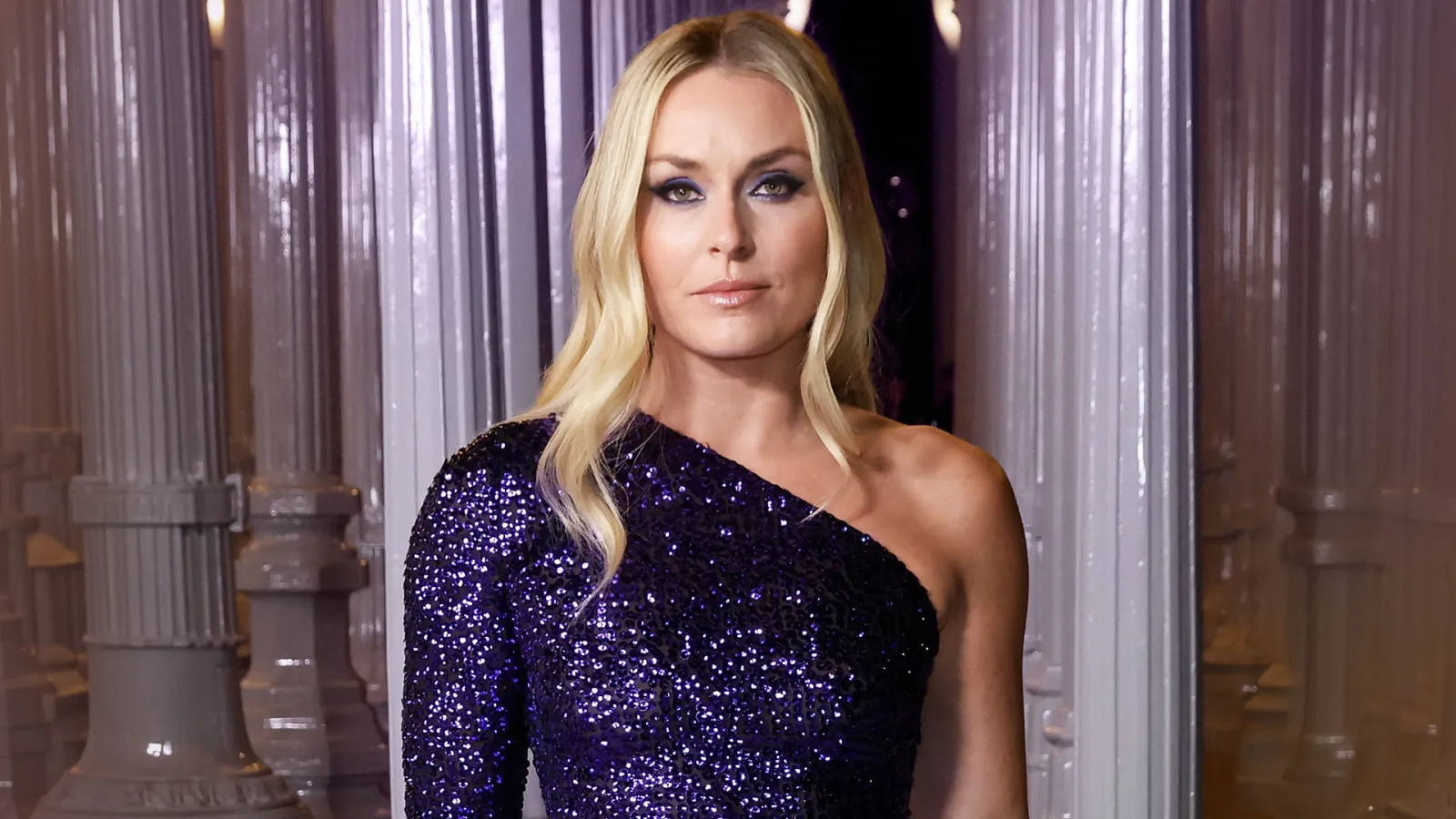
American ski legend Lindsey Vonn, 42, has undergone her NINTH operation following a horror crash at the Winter Olympics. Sharing the update on Instagram, Vonn noted that she felt nervous and anxious about the procedure while hoping to put the ordeal behind her. Vonn thanked her doctors, physical therapist, nurses, and medical staff for their care during the past nine months.
Vonn faced severe health challenges after spinning out at Milano Cortina 2026 in February. The incident followed a turbulent period that included a partial knee replacement and a torn ACL sustained during a World Cup race in Crans-Montana. Despite the prior injury, Vonn competed at the Winter Olympics before crashing just 14 seconds into her downhill run.
The crash occurred when her ski pole clipped a gate at high speed, leading to a brutal accident that required an airlift to the hospital. Medical evaluations revealed a complex tibia and fibula fracture, along with a right ankle fracture. Rapid pressure buildup threatened irreversible tissue death, forcing Team USA surgeon Dr. Tom Hackett to perform an emergency fasciotomy to prevent an amputation.
Emergency medical interventions and surgeries
Lindsey Vonn endured a harrowing series of surgical procedures starting immediately after her airlift from the mountain to a hospital in Treviso. Doctors performed four initial surgeries to provide emergency relief, stabilise her shattered tibia and ankle with metal plates and screws, and perform the double-incision fasciotomy. She flew back to the United States in mid February after her fourth operation to begin further reconstruction and tissue management.
American surgeons conducted four additional procedures over nine months to clean severe wounds, re-align bone fragments, and monitor bone fusion. The recent ninth procedure involved removing the metal plates and screws from her tibia and finally reconstructing her missing ACL. Vonn expressed gratitude for the ongoing support she received from her supporters and family throughout the ordeal.
Background on alpine ski racing
Alpine skiing is one of the most demanding winter sports, requiring athletes to navigate steep snow-covered slopes at speeds exceeding 80 miles per hour. Competitors face extreme physical forces, particularly during downhill and super-G events where split-second errors can result in severe trauma. Governing bodies such as the International Ski and Snowboard Federation oversee these elite global competitions, where athletes push human limits on icy tracks.
The physical toll on professional skiers often includes frequent joint injuries, ligament tears, and bone fractures due to high-speed impacts with gates and safety netting. Modern sports medicine relies on advanced surgical techniques, rapid emergency evacuations, and specialised rehabilitation protocols to salvage limbs and restore mobility to injured competitors. Athletes like Vonn routinely undergo multiple reconstructive procedures throughout their careers to repair chronic wear and acute trauma.
Recovery roadmap and physical rehabilitation
Lindsey Vonn enters a critical rehabilitation period split into three distinct phases following her latest procedure. The first six to 12 weeks focus on allowing the holes left by surgical screws to fill in with new bone while the newly reconstructed ACL graft stabilises. Following this initial healing window, she can target rebuilding her quadriceps and hamstring muscle mass to properly support her knee joint.
Her overall recovery timeline spans an estimated six to nine months of careful physical therapy. The final phase involves her ultimate aim to return to freeskiing once her medical team provides formal clearance. Prior to her ninth operation, she had already begun light gym work consisting of split squats and pull-ups to maintain basic upper and lower body strength.
Future athletic prospects and career outlook
Lindsey Vonn maintains an open-minded perspective regarding her long-term athletic future despite enduring over 15 major surgeries throughout her career. Critics frequently highlight her age during discussions about her recovery, but she remains undeterred by the commentary. In an interview six months after the crash, she emphasised that she prefers not to close the door on any future possibilities.
Her future remains entirely dependent on the success of her current rehabilitation and the final assessment from her medical professionals. Whether she decides to return to competitive racing or simply enjoys recreational freeskiing, her immediate priority centers on regaining full mobility. The skiing community continues to monitor her recovery as she navigates one of the most challenging injury comebacks in sports history.