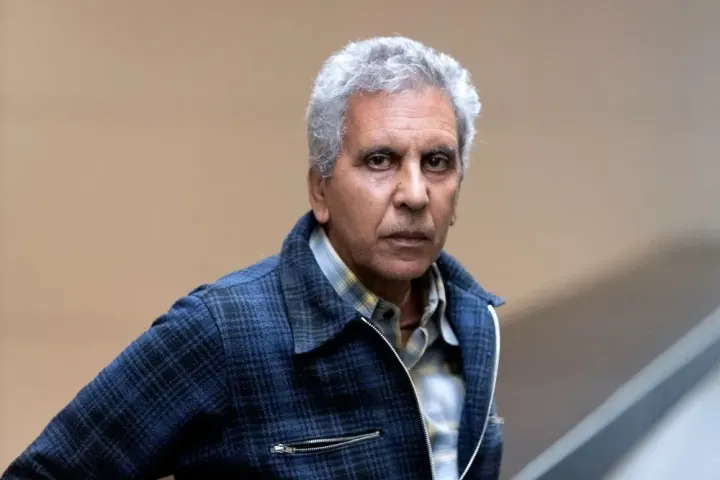
Lebanese filmmaker Rami Kodeih and co-writer Nora Mariana explore the realities of living in contemporary Lebanon through their heist thriller Furies, which serves as the country's official submission for the 2027 Oscars. The feature-length project recently screened at the second edition of the Doha Film Festival, drawing attention for its unique blend of genre thrills and deeply personal trauma born from economic collapse.
There is a specific line in the screenplay of Furies describing how its protagonists, two sisters plotting an overnight bank heist, move as though they are on borrowed time. Nora Mariana notes that this reflects both the frenetic pace of the narrative and the daily experience of surviving in contemporary Lebanon.
"There's an uncertainty day to day, living through a history of conflicts," Nora Mariana tells Variety. "So it does feel like you're on borrowed time, which makes you take advantage of time in a very unique way."
The Real Bank Crisis Behind Furies
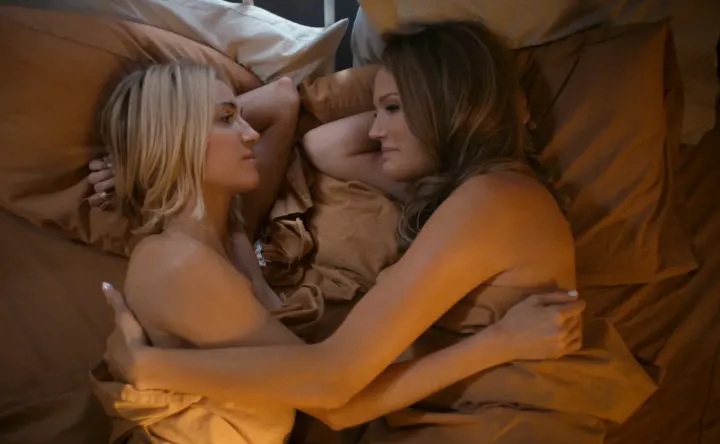
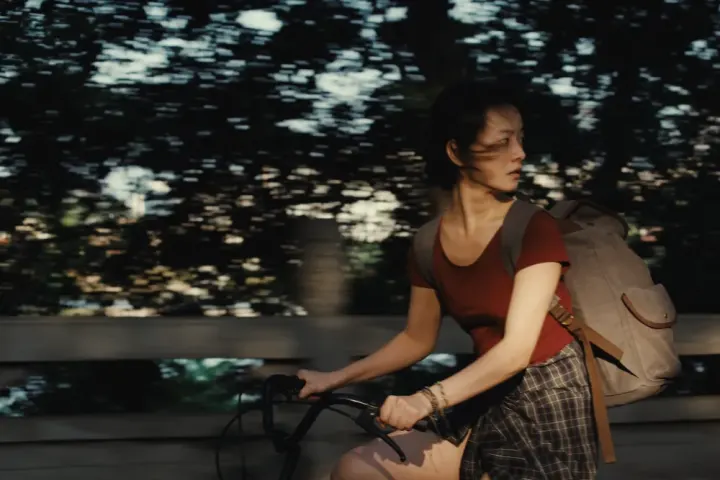
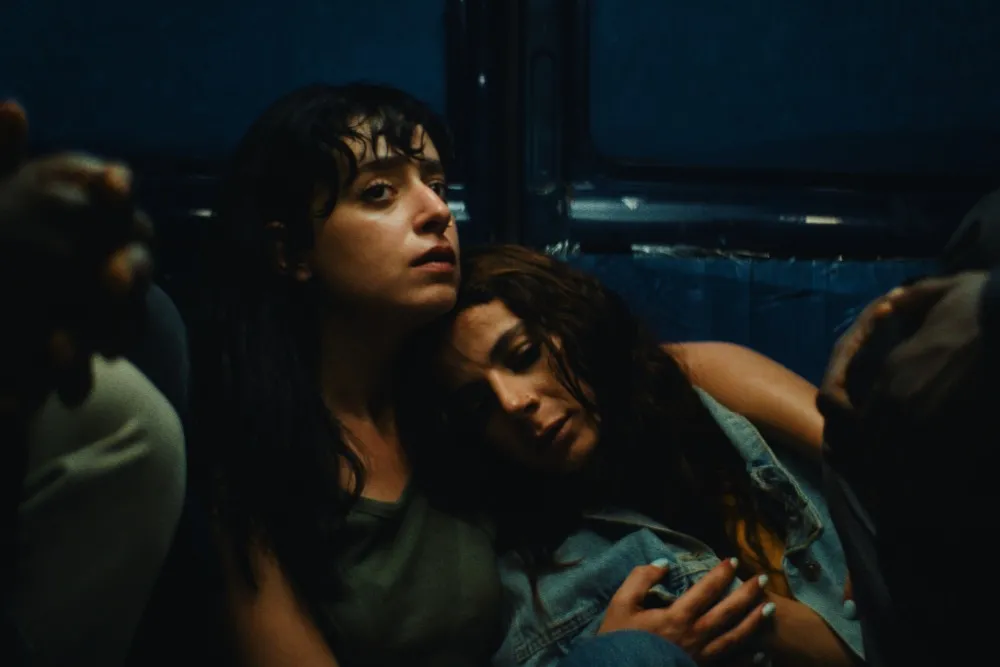
The premise for Furies originated from the personal experiences of Rami Kodeih and Nora Mariana when Lebanon's banking crisis erupted in 2019, exactly when Nora Mariana needed surgery. Blocked from accessing her savings to pay for her younger sister Dalia, played by Maria Nakouzi, to undergo life-saving medical care, single mother Maro, played by Rym Mroue, enlists a former militia member and a truck driver to stage a bank robbery.
"Frustration is a very mild word. It was devastating," Rami Kodeih recalls. "We were relying on some of our savings that were in Beirut to take care of that surgery. And, overnight, we were prevented from doing that."
Ultimately, the family was forced to sell her grandfather's home to cover the medical expenses. Seven years later, the creative duo has still not recovered their savings, leading Nora Mariana to remark that the government execution constitutes one of the largest heists in history.
Political Backdrop and Everyday Struggles
The indignation of Rami Kodeih and Nora Mariana extends directly to the political establishment that emerged from the brutal 1975-1990 civil war in Lebanon. Rami Kodeih points out the irony that the exact same warlords transitioned into government roles once the fighting stopped.
Lingering sectarian divisions surface throughout Furies alongside smaller manifestations of the economic crisis, such as Maro cutting open a tube of toothpaste to extract the last remnants. The filmmakers examine how fundamentally unjust systems trickle down to ordinary people who must figure out how to take justice into their own hands.
Even during the robbery planning scenes, the characters contend with everyday concerns like custody disputes and using Legos instead of elaborate blueprints to map out the bank. Rami Kodeih emphasizes that the core objective focuses on showing how ordinary individuals would execute such an extraordinary situation simply to survive.
Filming Under the Threat of Airstrikes
Production on Doha Film Festival selections faced severe disruptions when a month into pre-production in the fall of 2024, the filmmakers were forced to halt preparations and evacuate as Israel escalated its bombing campaign against Lebanon. Nora Mariana credits the shared trauma of living through war for strengthening the on-screen chemistry among the actors who sought refuge by watching films together in Beirut.
During filming in 2025, the first assistant director alerted the team to imminent Israeli airstrikes nearby, prompting a collective decision to continue production. Nora Mariana recalls a unique energy on set driven by the desire to create something meaningful and beautiful despite the external chaos.
The Lebanese-Brazilian co-production hails from RT Features and Nausika Films, with Rodrigo Teixeira and Berta Marchiori producing. Rodrigo Teixeira connected with the screenplay due to Brazil experiencing its own banking crisis in the early 1990s, while George Clooney and Grant Heslov joined as executive producers through Smokehouse Pictures, and Le Pacte handles worldwide sales.